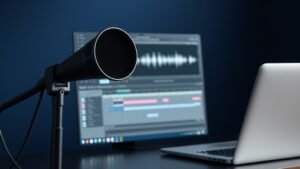
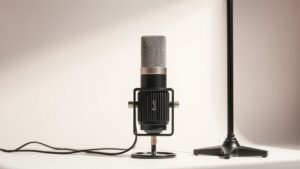
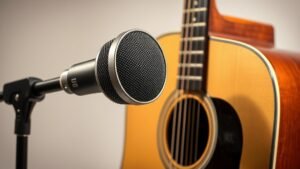
The choice between condenser vs dynamic microphones can make or break your audio recordings as a crime writer, whether you’re conducting research interviews, recording author commentary, or narrating your own audiobooks. Most authors stumble into microphone selection without understanding how these two fundamental technologies serve different purposes in our craft.
Across eighteen series and more than 150 novels, I’ve found that the microphone you choose directly impacts the quality and authenticity of your audio work, from capturing the gravelly voice of an informant for character research to delivering crisp narration that matches the tension in your thriller scenes.
Understanding the Core Technology Differences
Dynamic microphones operate on electromagnetic induction, using a moving coil attached to a diaphragm that generates electrical signals when sound waves hit it. Think of them as the workhorses of audio recording—robust, reliable, and forgiving of less-than-perfect recording environments. They require no external power and can handle high sound pressure levels without distortion.
Condenser microphones, by contrast, use a charged capacitor system where sound waves cause variations in the distance between two plates, creating electrical signals. They’re more sensitive, capture a wider frequency range, and require phantom power from your recording interface. This sensitivity makes them excellent for detailed work but also means they pick up every creak, click, and ambient noise in your space.
When I’m working on dialogue research for my police procedural novels, I need to understand these differences because the wrong choice can mean the difference between capturing authentic speech patterns and ending up with unusable recordings cluttered with background noise.
Dynamic Microphones in the Author’s Arsenal
Dynamic microphones excel in untreated spaces and real-world recording situations. If you’re conducting interviews for research—speaking with former detectives, legal professionals, or witnesses—a dynamic microphone cuts through ambient noise and focuses on the speaker’s voice. The Shure SM58 and similar models have become industry standards because they reject background sound while maintaining vocal clarity.
For crime writers, this rejection of ambient noise proves invaluable when recording in locations that inform our work. When I was researching the London settings for my DCI Isaac Cook series, I needed to capture conversations in busy pubs, street corners, and police station environments. A dynamic microphone allowed me to focus on the essential audio while minimizing the chaos around it.
Dynamic microphones also handle varying distances and volumes better than condensers. If your interview subject leans back or gestures while speaking, a dynamic microphone maintains consistent audio quality. They’re nearly indestructible, which matters when you’re lugging recording equipment to various research locations or setting up impromptu interviews.
When Condenser Microphones Serve Crime Writers Best
Condenser microphones shine in controlled environments where you want to capture every nuance of sound. For audiobook narration or author commentary tracks, a condenser microphone in a treated space delivers the detailed, professional sound that listeners expect. The extended frequency response captures the subtle emotional undertones that make thriller narration compelling.
When recording dialogue samples for character development, condenser microphones reveal speech patterns, breathing, and vocal quirks that inform authentic character creation. The sensitivity that makes them challenging in noisy environments becomes an asset when you’re analyzing how different people speak, pause, and emphasize words.
However, this sensitivity demands proper acoustic treatment and careful microphone technique. In my home studio, I use acoustic panels and record during quiet hours to maximize the benefits of condenser microphone technology. The investment in room treatment pays dividends in audio quality, but it’s a commitment that not every author can make.
My Practical Approach to Microphone Selection
I maintain both types of microphones because each serves specific purposes in my writing process. For field research and interviews, I rely on a dynamic microphone paired with a portable recorder. This combination has captured everything from witness testimonies that inspired plot points in my Alex Harlan FBI thrillers to atmospheric recordings that helped establish the remote Australian settings in my Maya Thorne series.
For studio work—narrating book trailers, recording author interviews, or creating promotional content—I switch to a condenser microphone in my treated space. The key lies in matching the tool to the task rather than trying to force one microphone type to handle all situations.
I’ve learned to consider the source material when choosing microphones. Action thriller novels often benefit from the slightly compressed, focused sound of dynamic microphones during narration, as it matches the genre’s intensity. Psychological thrillers, with their emphasis on subtle character development, often call for the detailed capture that condenser microphones provide.
Common Microphone Mistakes That Sabotage Audio Quality
The biggest mistake crime writers make is choosing condenser microphones for untreated spaces, then wondering why their recordings sound hollow and cluttered with room noise. I’ve heard authors record audiobook samples in bare rooms with condenser microphones, creating an echoey mess that no amount of post-processing can fix. A dynamic microphone in the same space would have produced cleaner, more professional results.
Another frequent error involves positioning. Authors often place condenser microphones too far away, trying to avoid the intimate sound these microphones capture, but this defeats their primary advantage. Dynamic microphones, conversely, get placed too close, creating a muffled, bass-heavy sound that obscures rather than clarifies speech.
Price fixation leads authors astray as well. Expensive condenser microphones don’t automatically produce better results than properly used dynamic microphones. I’ve captured compelling research audio with a basic dynamic microphone that required minimal processing, while expensive condenser recordings from poor environments needed extensive correction or complete re-recording.
Ignoring the recording chain causes problems too. Authors focus on microphone selection while overlooking audio interfaces, cables, and room acoustics. A great microphone connected through poor-quality gear or used in an inappropriate space won’t deliver professional results, regardless of its specifications.
Environmental Considerations for Different Crime Writing Scenarios
The recording environment should drive your microphone choice more than theoretical specifications. When researching espionage thrillers, I often work in various locations—coffee shops, public spaces, even vehicles—where dynamic microphones provide the only viable option for clean recordings.
Home studio setups favor condenser microphones, but only with proper acoustic treatment. Hanging blankets, using bookcases filled with books, or recording in walk-in closets can create sufficient acoustic control for condenser microphones to excel. The goal is controlling reflections and ambient noise, not achieving professional studio standards.
Consider your neighbors and recording schedule as well. Condenser microphones will capture the neighbor’s lawnmower, traffic noise, and HVAC systems that dynamic microphones naturally reject. If you can’t control your recording environment’s timing, dynamic microphones offer more flexibility in when and where you can work effectively.
Conclusion
The choice between condenser vs dynamic microphones depends entirely on your specific recording needs, environment, and budget for acoustic treatment. Dynamic microphones excel in real-world research situations and untreated spaces, while condenser microphones deliver superior results in controlled environments for detailed audio work.
About Phillip Strang
Phillip Strang is an Australian crime and thriller novelist. Across eighteen series and more than 150 novels, his work spans London police procedurals (DCI Isaac Cook), UK investigations (DI Tremayne), Australian outback crime (Maya Thorne), FBI thrillers (Alex Harlan), Scottish Highland mysteries (DI Sarah Lynch), and espionage (Steve Case). Learn more about Phillip or browse his complete catalogue on Amazon.
FREE DOWNLOAD
Stop Guessing. Start Buying Smart.
The specs that actually matter, demystified.
Headphones, microphones, the spec sheet jargon you can ignore — all in one quick-reference PDF. Free, instant, no fluff.
Send Me the CheatsheetYou'll also receive occasional new guide notifications. Unsubscribe anytime. No spam, ever.