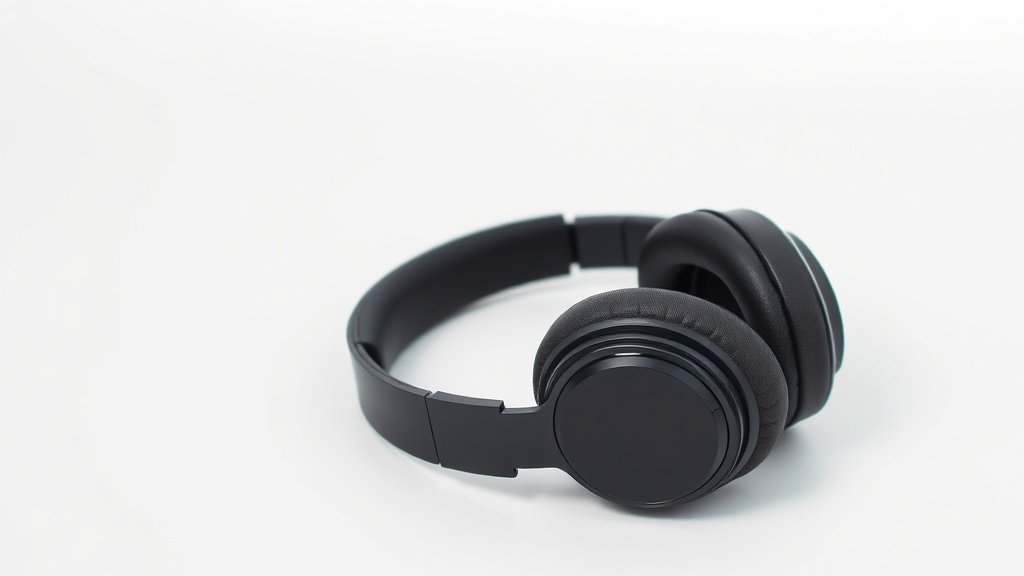
The headphones that sound brilliant in your living room can become torture devices on a six-hour flight, whilst models you might dismiss at home prove perfect for the road.
After years of obsessively buying, using and comparing audio gear, I have learned that choosing headphones for travel requires different priorities than selecting a pair for home listening. The acoustic environment, power constraints, and physical demands of travel create unique requirements that many buyers overlook.
This guide examines the practical factors that determine whether headphones will enhance or ruin your travel experience. We will cover comfort engineering, noise isolation strategies, power management, durability considerations, and the specific features that matter when you are trapped in a metal tube at thirty thousand feet.
Comfort Engineering for Extended Wear
The human ear and surrounding tissue can only tolerate pressure for so long before discomfort becomes pain. Most headphones feel comfortable for the first hour, but extended travel exposes design flaws that short listening sessions hide. The key factors are headband pressure distribution, ear cup size relative to your ears, and materials that breathe.
Sony WH-1000XM5 headphones demonstrate excellent pressure distribution with their wide, padded headband that spreads weight evenly across the skull. The ear cups are large enough to encompass most ears completely rather than pressing against them. By contrast, many gaming headphones that feel solid at home become uncomfortable after two hours because they concentrate pressure on small contact points.
Material choice affects temperature regulation during long sessions. Velour or breathable fabric ear pads allow air circulation, whilst pleather creates a greenhouse effect that becomes unbearable on warm flights. The Audio-Technica ATH-M50x offers replaceable ear pads, allowing you to swap between materials based on climate conditions.
Active vs Passive Noise Isolation
Aircraft cabin noise peaks around 85 decibels, with most energy concentrated in the low frequencies where jet engines operate. This creates a specific challenge that requires either excellent passive isolation or well-implemented active noise cancelling. The wrong choice leaves you cranking volume to dangerous levels just to hear your content.
Active noise cancelling works best on steady, low-frequency sounds like engine drone. The Bose QuietComfort 45 excels in this environment because its processing targets exactly the frequencies where aircraft noise concentrates. However, active systems struggle with sudden sounds like crying babies or announcements, where good passive isolation proves more effective.
Closed-back headphones with deep, well-sealed ear cups provide passive isolation that works across all frequencies without requiring power. The Beyerdynamic DT 770 Pro offers exceptional passive isolation through its thick ear pads and tight seal, though this comes at the cost of increased weight and heat buildup during extended wear.
The headphones that save your hearing in aircraft cabins are the ones that block noise mechanically, not the ones that fight it electronically.
Battery Life and Power Management
Nothing ruins a long-haul flight like headphones that die over the Pacific Ocean. Modern active noise cancelling headphones typically offer twenty to thirty hours of battery life, but this varies dramatically based on volume levels, noise cancelling intensity, and Bluetooth codec selection. Real-world usage rarely matches manufacturer claims.
The Sony WH-1000XM4 provides approximately twenty-eight hours with noise cancelling enabled, but enabling high-quality LDAC codec reduces this to around twenty-two hours. More importantly, these headphones include a wired backup mode that bypasses all electronic processing, ensuring you can still listen even with a dead battery.
Consider headphones that charge via USB-C rather than proprietary connectors, as this allows you to share charging cables with other devices. The Sennheiser Momentum 4 Wireless offers sixty hours of claimed battery life with standard Bluetooth, making it nearly impossible to drain during even the longest journeys.
Durability and Portability Design
Travel headphones must survive being stuffed into bags, dropped on tarmac, and subjected to temperature extremes that would never occur at home. The hinges, cables, and adjustment mechanisms face stress patterns completely different from stationary use. Build quality that seems adequate for desk use often fails within months of regular travel.
Folding mechanisms represent the weakest point on most portable headphones. The Audio-Technica ATH-MSR7b uses a robust folding system with metal reinforcement at stress points, whilst many cheaper models rely on plastic hinges that crack under repeated folding cycles. Look for headphones where the folding joints feel solid and precise rather than loose or sticky.
Cable design matters more for travel than home use because cables face repeated coiling, stretching, and potential crushing in luggage. Detachable cables like those on the V-Moda Crossfade M-100 allow replacement when damage occurs, whilst permanently attached cables often mean replacing the entire headphone when the wire fails near the connector.
Codec Support and Connection Reliability
Airport and aircraft environments create challenging radio frequency conditions that can disrupt Bluetooth connections. The codec your headphones support affects both connection stability and battery life. Higher-quality codecs provide better sound but drain batteries faster and sometimes prove less reliable in congested radio environments.
SBC codec offers the most reliable connection across all devices and environments, though sound quality suffers compared to newer standards. AAC works well with Apple devices and provides a good balance of quality and stability. LDAC and aptX HD deliver excellent sound quality but can become unstable in crowded terminals where dozens of Bluetooth devices compete for spectrum.
The Focal Bathys headphones support multiple high-quality codecs but intelligently fall back to more stable options when connection quality degrades. This adaptive approach proves more practical than headphones that stubbornly maintain high-quality codecs even when the connection becomes unreliable.
Choosing headphones based solely on noise cancelling specifications leads to disappointment. Marketing numbers rarely reflect real-world performance, and the best noise cancelling means nothing if the headphones become uncomfortable after two hours of wear.
Assuming expensive headphones will automatically work better for travel ignores practical requirements. Studio monitors that cost twice as much as consumer models often lack the features and durability needed for regular travel use.
Forgetting about backup connectivity options leaves you stranded when batteries die. Always verify that wireless headphones include a standard wired connection that works without power, as proprietary cables and electronic processing can fail when you need them most.
Conclusion
Effective travel headphones prioritise comfort, isolation, and reliability over impressive specifications that matter little in noisy, cramped aircraft cabins. Focus on models that remain comfortable during extended wear, provide adequate noise isolation without excessive volume levels, and include backup connectivity options when electronic features fail. The right choice transforms long journeys from endurance tests into productive or enjoyable experiences.
FREE DOWNLOAD
Stop Guessing. Start Buying Smart.
The specs that actually matter, demystified.
Headphones, microphones, the spec sheet jargon you can ignore — all in one quick-reference PDF. Free, instant, no fluff.
Send Me the CheatsheetYou'll also receive occasional new guide notifications. Unsubscribe anytime. No spam, ever.