Guides
Master your gear and sharpen your craft. Clear, practical guidance on choosing audio equipment, recording techniques, and getting the most from what you own.
Audio equipment can feel impenetrable. Specifications, jargon, and competing opinions everywhere — and most explanations are written for people who already understand them.
At AudioTechExpert, our guides cut through the noise. Whether you're shopping for your first pair of headphones, setting up a home studio, or trying to understand why your recordings sound a certain way, you'll find a guide here that explains it plainly. No marketing fluff, no audiophile gatekeeping — just answers.



Popular Guides
Reader favourites — the questions we get asked most.

Should You Upgrade Your Headphones or Your Source First
Upgrading the wrong component first is one of the most common and expensive mistakes in audio, and the signal chain does not care how much you spent on your headphones
How to Choose a Portable Headphone DAC for Phone Use
A phone that cannot drive your headphones properly will make even a five-hundred-pound pair of cans sound flat, compressed, and lifeless — and a portable DAC is the single most
How to Choose a Headphone Amp Under Two Hundred Pounds
A headphone amp under two hundred pounds can make a genuine, audible difference to your listening experience, but only if you match the amp to your headphones and your actual
Should You Upgrade Your Headphones or Your Source First
Upgrading the wrong component first is one of the most common and expensive mistakes in audio, and the signal chain does not care how much you spent on your headphones
How to Choose a Portable Headphone DAC for Phone Use
A phone that cannot drive your headphones properly will make even a five-hundred-pound pair of cans sound flat, compressed, and lifeless — and a portable DAC is the single most
How to Choose a Headphone Amp Under Two Hundred Pounds
A headphone amp under two hundred pounds can make a genuine, audible difference to your listening experience, but only if you match the amp to your headphones and your actual
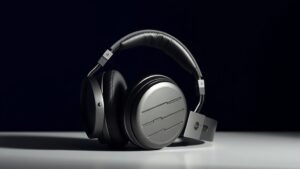
How to Choose Studio Monitor Headphones Under 300 Pounds
The difference between a mixing decision you trust and one you second-guess almost always comes down to what you are hearing through, and below 300 pounds there is more genuine
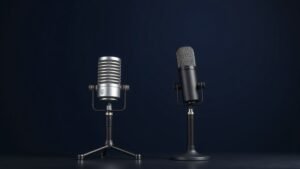
Condenser vs Dynamic Microphone for Voiceover Work
Pick the wrong microphone type for your recording space and the problem will not be on the spec sheet — it will be in every single take you record. The
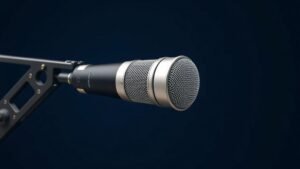
How to Choose a Mic for Solo Acoustic Performance Recording
The microphone you choose for solo acoustic performance recording is not a neutral tool. It is an interpretive decision that colours every element of the sound before a single plug-in