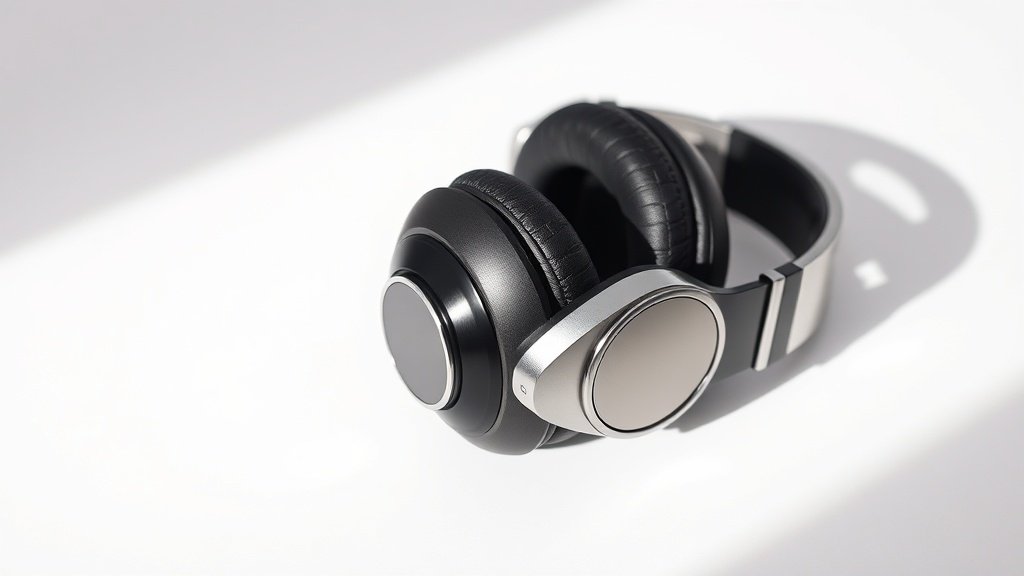
Gaming headphone marketing focuses on RGB lighting and virtual surround processors while ignoring the fundamentals that determine whether you hear footsteps before your opponent does.
After years of obsessively buying, using and comparing audio gear, I regularly encounter gamers who have been sold expensive headphones that underperform basic studio monitors. The gaming headphone market has created a separate category of products that often prioritise visual appeal and marketing buzzwords over actual acoustic performance.
This guide cuts through manufacturer claims to explain what actually matters when choosing headphones for gaming. We will examine frequency response characteristics that affect competitive advantage, analyse why most gaming-specific features add cost without improving performance, and identify which mainstream audio products deliver better results for less money.
Understanding Frequency Response for Gaming
The frequency response graph tells you how a headphone reproduces different pitch ranges, which directly impacts your ability to locate enemies and hear important game audio cues. Most gaming headphones boost bass frequencies heavily, creating impressive explosions but masking critical mid-range information like footsteps and voice chat. The Sennheiser HD 560S demonstrates ideal gaming response with balanced mids that preserve positional audio cues while maintaining enough low-end presence for immersion.
Competitive gamers benefit from slight emphasis in the 2-4 kHz range where many important game sounds occur, but avoid headphones with harsh peaks above 6 kHz that cause fatigue during long sessions. The Audio-Technica ATH-R70x exemplifies this approach with smooth treble extension that reveals detail without brittleness. Many popular gaming brands like Razer and SteelSeries tune their headphones with pronounced V-shaped curves that sound initially exciting but become tiring and reduce your ability to pinpoint audio locations accurately.
Driver size matters less than driver quality and tuning implementation. The Beyerdynamic DT 770 Pro uses 45mm drivers with precise manufacturing tolerances that outperform many gaming headphones with larger 50mm drivers. Focus on measured frequency response data from sources like rtings.com rather than marketing specifications about driver diameter or impedance ratings.
Why Gaming-Specific Features Often Disappoint
Virtual surround sound processing attempts to simulate multi-speaker setups through stereo headphones, but most implementations add artificial reverb that reduces positional accuracy compared to well-recorded stereo game audio. Modern game engines like those used in Counter-Strike 2 and Valorant provide excellent stereo positioning that works better without additional processing layers. The HyperX Cloud II includes virtual 7.1 processing that many users disable after comparing direct stereo output.
RGB lighting and aggressive styling add cost and weight without improving acoustic performance. The Corsair Virtuoso RGB weighs 381 grams partly due to lighting components, while the equally capable Sennheiser HD 25 weighs just 140 grams and provides superior isolation for competitive gaming. Heavy headphones cause neck fatigue during extended sessions and require stronger clamping force to stay positioned, reducing comfort over time.
Integrated microphones in gaming headphones typically use small capsules positioned far from the mouth, resulting in poor voice quality compared to dedicated desktop microphones. The microphone on the popular Logitech G Pro X produces acceptable results for casual chat but cannot match a basic Audio-Technica ATR2100x-USB for streaming or content creation. Consider separating your headphone and microphone purchases to optimise both functions independently.
Most gamers would achieve better competitive performance with studio headphones costing half the price of gaming-branded alternatives.
Open-Back Versus Closed-Back Design
Open-back headphones like the Sennheiser HD 599 provide superior soundstage width that helps with directional audio in games, but they leak sound and offer no isolation from external noise. This design works well for single-player gaming in quiet environments but proves problematic for shared spaces or voice chat situations. The sound leakage means others nearby will hear your game audio, while outside noise can mask important in-game sounds.
Closed-back designs like the Audio-Technica ATH-M50x contain sound leakage and provide isolation from external distractions, making them more practical for most gaming setups. However, closed-back headphones can feel stuffy during long sessions and may emphasise certain frequency ranges due to internal reflections. The Beyerdynamic DT 770 Pro addresses this with velour ear pads that improve ventilation while maintaining good isolation.
Semi-open designs attempt to balance these characteristics but often compromise both isolation and soundstage width. The AKG K240 Studio represents this category well, offering moderate sound leakage with reasonable positioning accuracy, but requires careful consideration of your specific gaming environment and usage patterns.
Comfort and Build Quality Considerations
Extended gaming sessions demand comfortable ear pad materials and proper weight distribution across the headband. Protein leather pads look premium but trap heat and moisture, causing discomfort after 2-3 hours of continuous use. Velour pads on headphones like the Beyerdynamic DT 990 Pro allow better airflow and remain comfortable during marathon gaming sessions, though they require more frequent cleaning than synthetic alternatives.
Headband padding and clamp force significantly impact long-term comfort. The Sennheiser HD 280 Pro uses adequate padding but applies excessive clamping pressure that becomes uncomfortable within an hour. Compare this to the Audio-Technica ATH-AD700X, which uses a unique wing support system that eliminates pressure points entirely, though some users find the fit too loose for active gaming.
Cable design affects durability and practical usage. Fixed cables like those on the Sony MDR-7506 provide reliable connections but become expensive to repair if damaged. Detachable cables on the Philips SHP9500 allow easy replacement and enable cable upgrades for improved microphone integration or wireless adaptation through separate Bluetooth adapters.
Budget Allocation and Value Optimisation
The £100-200 price range offers the best performance per pound for gaming headphones, with diminishing returns above this level unless you have specific professional requirements. The Philips SHP9500 at roughly £60 outperforms many £150+ gaming headphones in comfort and positional accuracy. Spending more money on room acoustics treatment or a dedicated microphone typically provides greater overall improvement than upgrading from good headphones to expensive ones.
Consider total system cost when evaluating headphones with high impedance ratings. The Sennheiser HD 650 requires a capable amplifier to reach optimal performance levels, adding £100-300 to the total investment. Lower impedance options like the Audio-Technica ATH-M40x work well with gaming devices and motherboard audio outputs without additional amplification.
Warranty coverage and parts availability matter for long-term value. Beyerdynamic provides replacement parts for their professional headphones even after discontinuation, while gaming brands often cease parts support when newer models release. This serviceability can extend headphone lifespan from 2-3 years to over a decade with proper maintenance.
Assuming that gaming headphones provide better gaming performance than studio headphones. Studio headphones often deliver superior accuracy and comfort at lower prices because they focus on acoustic performance rather than visual appeal and marketing features.
Believing that virtual surround sound improves competitive gaming performance. Most virtual processing adds latency and artificial reverb that reduces your ability to pinpoint enemy positions compared to clean stereo output from modern game engines.
Prioritising bass response over midrange clarity when choosing gaming headphones. Important game audio like footsteps and voice communication occurs in midrange frequencies that get masked by excessive bass emphasis in many gaming headphones.
Conclusion
Effective gaming headphones prioritise accurate frequency response and long-term comfort over flashy features and aggressive styling. Studio headphones from established audio manufacturers typically provide better performance and value than gaming-specific products. Focus on measured acoustic performance rather than marketing claims to find headphones that genuinely improve your gaming experience through superior audio reproduction.
FREE DOWNLOAD
Stop Guessing. Start Buying Smart.
The specs that actually matter, demystified.
Headphones, microphones, the spec sheet jargon you can ignore — all in one quick-reference PDF. Free, instant, no fluff.
Send Me the CheatsheetYou'll also receive occasional new guide notifications. Unsubscribe anytime. No spam, ever.