Open-back headphones leak sound because acoustic isolation destroys the very quality they are designed to deliver – natural soundstage depth and imaging precision.
After years of obsessively buying, using and comparing audio gear, the question about open-back sound leakage comes up constantly. The leakage is not a design flaw or manufacturing oversight. It represents a fundamental acoustic principle that determines how we perceive spatial information in recorded music.
This guide explains the acoustic engineering behind open-back designs, when sound leakage becomes problematic, and how to evaluate whether open-back headphones suit your specific listening environment and applications.
The Acoustic Engineering Behind Open-Back Design
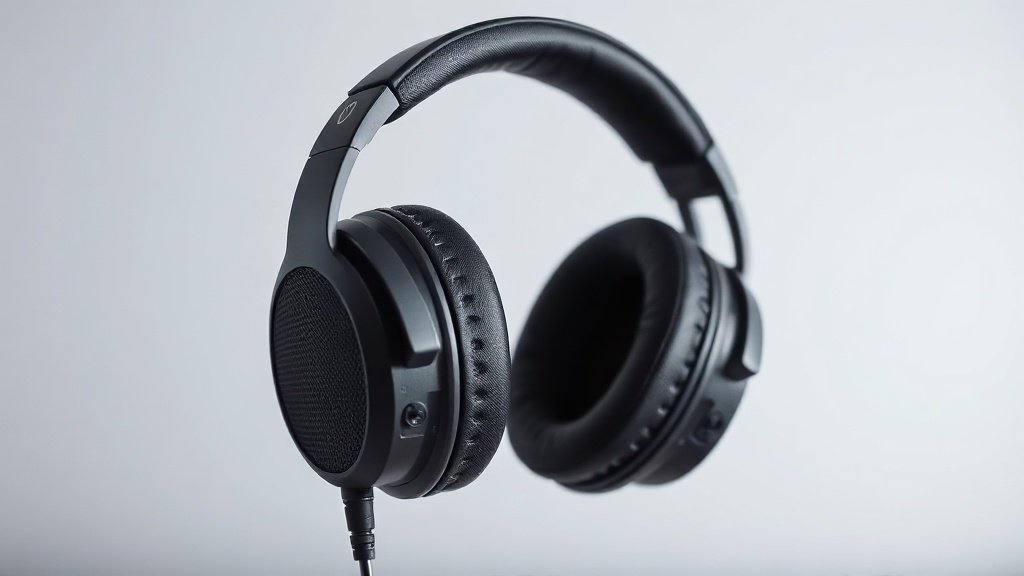
Open-back headphones feature perforated or mesh-covered rear housings that allow air movement behind the drivers. This design prevents the acoustic chamber from becoming completely sealed, eliminating the pressure buildup that characterises closed-back designs. The Sennheiser HD 800S exemplifies this approach with large mesh grilles that create an almost speaker-like acoustic environment around each ear.
The open architecture allows sound waves to interact with ambient air rather than reflecting back from a solid rear panel. This interaction reduces standing wave formations inside the ear cup, which typically cause frequency response irregularities and artificial resonances. The result is more linear frequency response and reduced distortion, particularly in the midrange frequencies where vocal and instrumental detail matters most for mixing work.
Sound leakage occurs because the same openings that prevent internal pressure buildup also allow audio signals to escape outward. A typical open-back design like the Audio-Technica ATH-R70x will leak approximately 10 to 15 decibels less sound than the direct listening level, making quiet passages audible to nearby listeners.
How Sound Leakage Creates Natural Soundstage
The acoustic interaction between your ears and the surrounding environment plays a crucial role in spatial perception. Closed-back headphones isolate each ear completely, creating an unnatural listening condition where spatial cues become artificially separated. Open-back designs allow subtle acoustic crosstalk and ambient interaction that more closely mimics natural hearing.
Professional mixing engineers often prefer models like the Beyerdynamic DT 990 Pro specifically because the open design reveals spatial relationships that remain hidden with closed-back alternatives. The slight acoustic leakage allows each ear to receive indirect sound information, creating depth perception that translates better to speaker playback systems.
This natural crosstalk explains why orchestral recordings often sound more convincing through open-back headphones. The Vienna Symphonic Library specifically recommends open-back monitoring for their sample libraries because the spatial presentation better represents the intended acoustic environment of the original recordings.
Open-back headphones leak sound to prevent the acoustic isolation that destroys natural spatial perception in recorded music.
Measuring and Managing Sound Leakage Levels
Sound leakage varies significantly between different open-back models depending on driver efficiency, housing design, and intended application. High-efficiency designs like the Grado SR325x will leak more sound at equivalent listening levels compared to lower-sensitivity models requiring more amplifier power. Understanding these differences helps predict whether a particular model will work in your listening environment.
Measuring leakage becomes important for shared spaces. At typical mixing levels around 75 to 80 decibels, most open-back headphones will leak 60 to 65 decibels at one metre distance. This level registers as clearly audible conversation volume to nearby listeners. Late-night mixing sessions or office environments typically require closed-back alternatives or dedicated listening rooms.
The AKG K702 represents a moderate leakage design that balances open-back benefits with reasonable isolation for semi-private listening. However, even moderate leakage prevents use in recording studios during tracking sessions, where microphone bleed would capture the headphone audio and contaminate the recorded tracks.
When Sound Leakage Becomes Problematic
Recording applications present the most obvious limitation for open-back designs. Any headphone monitoring during microphone recording will create feedback loops or bleed-through that ruins the recorded signal. Vocal recording sessions, acoustic instrument tracking, and quiet source material require completely sealed monitoring solutions to prevent contamination.
Shared listening environments also limit open-back applications. Library study sessions, office work, or late-night listening with sleeping family members nearby make sound leakage socially unacceptable. The leakage level that creates natural soundstage for the listener becomes disruptive noise for everyone else in the space.
Public transport and noisy environments render open-back headphones practically useless. The lack of isolation works both directions – external noise enters as easily as internal sound escapes. Commuter listening or gym use requires the isolation that only closed-back designs provide effectively.
Choosing Between Open and Closed Designs
Application determines whether sound leakage represents a feature or a limitation. Critical listening applications like mixing, mastering, and detailed music analysis benefit significantly from open-back acoustic properties. The improved soundstage and reduced resonance provide more accurate spatial information for professional decision-making.
Home listening in dedicated spaces allows full appreciation of open-back benefits without social constraints. Personal music rooms, home studios with proper isolation, or private listening sessions showcase why models like the Focal Clear or HiFiMAN Sundara command premium prices despite their leakage characteristics.
Consider your primary listening environment and applications before committing to open-back designs. The acoustic benefits only matter if your listening situation allows their proper utilisation. Many audio professionals maintain both open and closed designs for different applications rather than trying to find one model that handles every situation adequately.
Assuming open-back headphones work for recording applications. The sound leakage will contaminate microphone recordings and create feedback loops during tracking sessions. Use closed-back designs for any application involving active microphones.
Expecting noise isolation from open-back designs. The same openings that create natural soundstage also allow external noise to enter freely. Choose closed-back alternatives for noisy environments or when isolation matters.
Using open-back headphones in shared spaces without considering others. The leaked audio becomes disruptive background noise for nearby listeners. Respect shared environments by switching to closed designs or using dedicated listening spaces.
Conclusion
Open-back headphones leak sound because acoustic isolation conflicts with natural spatial perception. The leakage enables soundstage depth and imaging accuracy that closed designs cannot achieve. Choose open-back models when your listening environment supports their acoustic requirements and your applications benefit from their spatial advantages.

FREE DOWNLOAD
Stop Guessing. Start Buying Smart.
The specs that actually matter, demystified.
Headphones, microphones, the spec sheet jargon you can ignore — all in one quick-reference PDF. Free, instant, no fluff.
Send Me the CheatsheetYou'll also receive occasional new guide notifications. Unsubscribe anytime. No spam, ever.