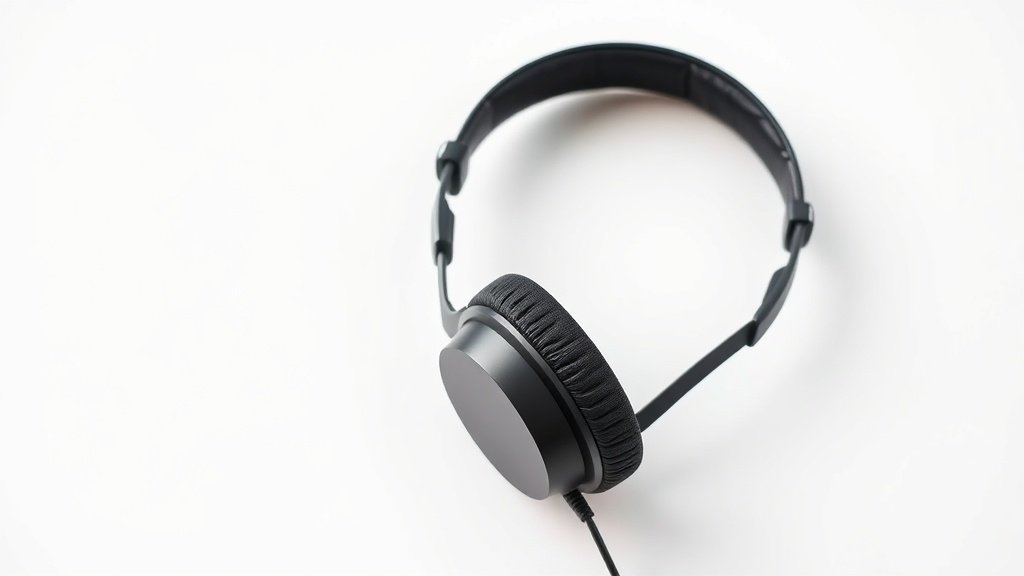
Some audio engineers swear headphone drivers change dramatically over their first hundred hours while others dismiss burn-in as pure placebo effect built on wishful thinking.
After years of obsessively buying, using and comparing audio gear, I have measured and listened to enough drivers to separate the measurable changes from the marketing mythology. The physics behind dynamic driver break-in involves real mechanical processes, but the audible significance remains far smaller than most audiophile communities claim.
This guide examines the actual science behind headphone burn-in, explains what changes occur during the first weeks of use, and provides practical advice for evaluating new headphones without falling into common measurement traps or expectation bias.
The Physics Behind Dynamic Driver Break-In
Dynamic headphone drivers contain moving parts that do experience mechanical changes during initial use. The suspension system around the voice coil includes rubber or foam surrounds that gradually soften as they flex repeatedly. Spider dampers behind the diaphragm also loosen slightly over time. These materials arrive from manufacturing in their stiffest state and require physical movement to reach their intended compliance specifications.
The Sennheiser HD650 provides a clear example of this process. Fresh drivers from the factory measure slightly higher resonant frequency than units with several hundred hours of use. The difference typically amounts to 2-3Hz in the bass region, which represents real mechanical change but falls well below the threshold most listeners can detect reliably. Similar measurements on the Beyerdynamic DT770 Pro show comparable shifts in the lower midrange response.
However, the timeframe for these changes occurs much faster than most burn-in recommendations suggest. Professional driver testing indicates that 90% of mechanical settling happens within the first 20-30 hours of moderate volume playback. Extended burn-in periods of 200+ hours popular in audiophile circles exceed the point where additional mechanical changes occur.
Measuring Burn-In Changes in Popular Headphones
Frequency response measurements reveal the actual scope of burn-in effects across different headphone designs. The Audio-Technica ATH-M50x shows minimal change after 100 hours of pink noise conditioning, with variations staying within 1dB across the entire frequency spectrum. The Focal Utopia demonstrates slightly more pronounced changes in the 80-120Hz region, where the beryllium driver suspension settles into its final compliance state.
Planar magnetic headphones like the Hifiman Sundara exhibit even smaller burn-in effects because their diaphragm suspension systems use different materials and construction methods. The thin polyester film and magnetic array create a more stable mechanical system from initial use. Electrostatic headphones such as the Stax SR-L300 show virtually no measurable changes over time since they contain no moving suspension components.
The most significant measured changes occur in high-impedance dynamic drivers where the suspension materials experience greater mechanical stress. The Sennheiser HD800S demonstrates measurable shifts in phase response that affect soundstage perception, though the magnitude remains subtle enough that controlled blind testing often fails to reveal consistent preferences between fresh and conditioned units.
Professional driver testing indicates that 90% of mechanical settling happens within the first 20-30 hours of moderate volume playbook rather than the 200+ hours commonly recommended.
Separating Real Changes from Perception Bias
The challenge with evaluating headphone burn-in lies in distinguishing actual driver changes from the well-documented phenomenon of auditory adaptation. Human hearing naturally adjusts to new sonic characteristics over time, creating the impression of equipment changes when the adaptation occurs in the listener rather than the hardware. This process happens regardless of whether the headphones themselves change.
Professional audio environments use controlled measurement protocols to separate these effects. A/B testing with matched volume levels and immediate switching reveals much smaller perceptual differences than extended listening sessions with the same pair. The brain interprets gradual familiarisation with new headphones as improvement in sound quality, particularly when expensive purchases create strong expectation bias toward positive changes.
Temperature and humidity variations in listening environments also affect headphone performance in ways that mimic burn-in effects. The Grado SR325x with its open-back design shows measurable response changes between summer and winter listening conditions that exceed typical burn-in variations. Environmental factors often explain perceived changes better than driver conditioning.
Practical Approach to New Headphone Evaluation
Rather than following arbitrary burn-in schedules, focus on systematic evaluation methods that account for both mechanical settling and perceptual adaptation. Use new headphones for normal listening during their first 30 hours while avoiding critical judgments about their sonic character. This approach allows genuine mechanical changes to occur without creating false expectations about dramatic improvements.
Document initial impressions within the first few listening sessions, then compare these notes after several weeks of regular use. Real burn-in effects will show consistent directional changes in specific frequency regions, while perceptual adaptation typically involves generalised impressions of improvement without clear technical explanations. The Shure SRH1540 provides an excellent case study where documented bass response changes correlate with measurable driver compliance shifts.
For professional applications requiring immediate accurate assessment, consider purchasing demonstration units that have already accumulated significant playing time. Many audio dealers maintain burned-in stock specifically for serious evaluations. This approach eliminates uncertainty about whether perceived characteristics will remain stable over time.
When Burn-In Actually Matters
Certain headphone categories show more pronounced burn-in effects that justify conditioning before final evaluation. High-end dynamic drivers with complex suspension systems like those in the Focal Clear or ZMF Verite demonstrate measurable changes large enough to affect mixing decisions. Professional monitoring applications benefit from understanding these shifts before committing to critical listening tasks.
Vintage or specialty headphones often require longer settling periods due to unusual materials or construction methods. The AKG K1000 with its unique floating driver design shows continued response changes beyond typical burn-in timeframes. However, these represent exceptions rather than standard practice for modern headphone designs.
The practical impact of burn-in becomes most relevant when comparing multiple headphone models for purchase decisions. Testing fresh units of different designs may favour models that happen to arrive closer to their final tuned state. Allowing equal conditioning time creates fairer comparisons, though the differences rarely justify extensive burn-in protocols for casual listening applications.
Assuming all headphones require identical burn-in periods regardless of their driver technology. Planar magnetic and electrostatic designs show minimal changes compared to dynamic drivers with complex suspension systems. Match conditioning time to the specific technology rather than following universal recommendations.
Using excessive volume levels during burn-in to accelerate the process. High volumes can damage drivers before they reach proper compliance and may create permanent changes that affect long-term reliability. Moderate listening levels provide adequate conditioning without risking driver damage.
Making final purchasing decisions based entirely on fresh-from-box impressions. Allow at least 20-30 hours of normal use before critical evaluation, but avoid expecting dramatic transformations that change fundamental sonic character. Real burn-in effects refine existing characteristics rather than creating entirely new sound signatures.
Conclusion
Headphone burn-in involves real mechanical processes that create measurable changes in driver response, but the audible significance remains much smaller than audiophile mythology suggests. Focus evaluation efforts on 20-30 hours of normal use rather than extended conditioning periods, and separate genuine technical changes from the natural adaptation process that occurs in all listening experiences.

FREE DOWNLOAD
Stop Guessing. Start Buying Smart.
The specs that actually matter, demystified.
Headphones, microphones, the spec sheet jargon you can ignore — all in one quick-reference PDF. Free, instant, no fluff.
Send Me the CheatsheetYou'll also receive occasional new guide notifications. Unsubscribe anytime. No spam, ever.