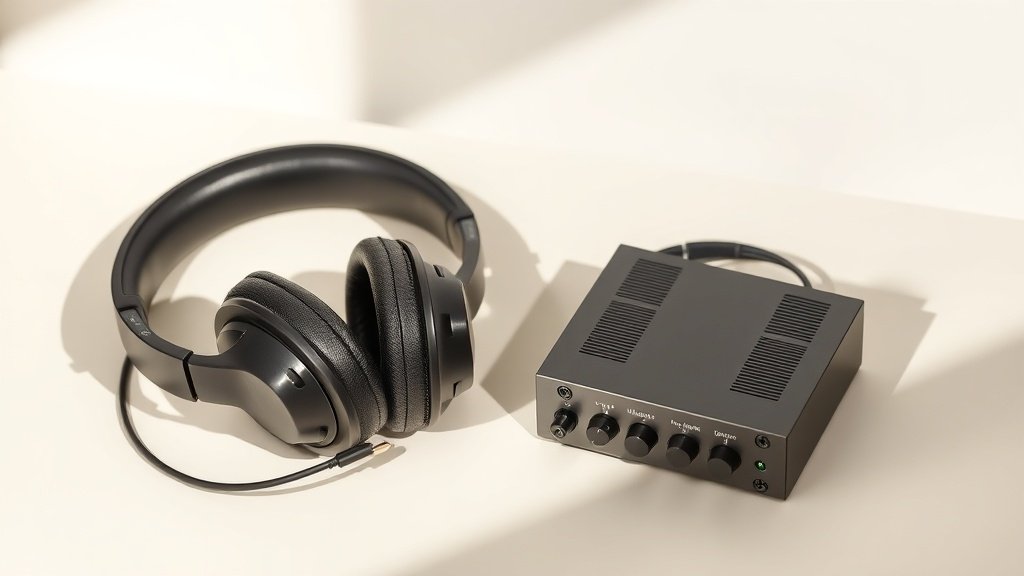
Some headphones sound perfectly fine plugged into a phone whilst others barely whisper until connected to proper amplification.
After years of obsessively buying, using and comparing audio gear, I can tell you the amplifier question comes down to three specifications that determine how much power your headphones actually need. Understanding these numbers saves you from both underpowered disappointment and unnecessary amplifier purchases.
This guide explains impedance, sensitivity, and driver design differences that separate headphones requiring dedicated amplification from those that work perfectly with built-in sources. You will learn to read specifications correctly and match your headphones to appropriate sources.
Understanding Impedance and Power Requirements
Impedance measures electrical resistance in ohms, and headphones typically range from 16 ohms to 600 ohms. The Beyerdynamic DT 990 Pro comes in 32-ohm, 80-ohm, and 250-ohm versions of the same driver design. The 32-ohm version works well from phones and laptops because lower impedance allows more current flow from weak sources. The 250-ohm version requires significantly more voltage to reach the same volume levels.
Most phones and laptops output around 1 volt maximum, which limits power delivery to high-impedance loads. Professional interfaces like the Focusrite Scarlett series provide dedicated headphone amplifiers with higher voltage output, typically 2-3 volts. This voltage difference becomes critical when driving impedances above 150 ohms effectively.
The relationship between impedance and amplifier matching involves both voltage and current considerations. Low-impedance headphones like the Audio-Technica ATH-M50x at 38 ohms draw more current but need less voltage. High-impedance models like the Sennheiser HD 600 at 300 ohms require higher voltage but draw less current. Mismatched sources result in either inadequate volume levels or distorted sound when pushed beyond their limits.
Sensitivity Ratings and Efficiency Differences
Sensitivity measures how loud headphones play per milliwatt of input power, typically expressed as decibels per milliwatt. The efficient Sony MDR-7506 produces 106 dB/mW whilst the demanding Hifiman HE-6 manages only 83 dB/mW. This 23 dB difference means the HE-6 requires over 200 times more power to reach the same volume level.
Planar magnetic headphones consistently show lower sensitivity ratings compared to dynamic drivers. The Audeze LCD-2 requires substantial amplification despite reasonable 70-ohm impedance because its sensitivity rating sits around 101 dB/mW. Meanwhile, the Grado SR80e at 32 ohms and 99.8 dB/mW works adequately from portable sources despite similar impedance to much more demanding headphones.
Real-world amplifier requirements combine impedance and sensitivity calculations. A headphone amplifier producing 100 milliwatts into 300 ohms easily drives the efficient Sennheiser HD 650, but that same power barely manages moderate listening levels through power-hungry planar designs. Understanding both specifications prevents purchasing insufficient amplification.
The specification sheet tells you everything needed to determine amplifier requirements before making expensive mistakes.
Driver Technology and Design Differences
Dynamic drivers used in most consumer headphones operate efficiently with minimal power requirements. The classic AKG K240 Studio represents typical dynamic driver efficiency, producing reasonable volume levels from basic sources. These designs use lightweight moving coils suspended in magnetic fields, requiring relatively little energy to generate substantial acoustic output.
Planar magnetic technology trades efficiency for accuracy and detail retrieval. Models like the Hifiman Sundara and Audeze MM-100 use large diaphragms with embedded conductors across their entire surface. This design provides excellent transient response and low distortion but demands significantly more amplifier power. Even moderate listening levels require dedicated amplification with proper current delivery capabilities.
Electrostatic headphones represent the extreme end of amplification requirements, needing specialised amplifiers providing hundreds of volts. The Stax SR-L300 system includes a dedicated energiser because conventional headphone amplifiers cannot drive electrostatic transducers. These designs offer exceptional detail but require complete amplifier system investment from the beginning.
Matching Sources to Headphone Requirements
Portable devices work well with efficient, low-impedance designs under 80 ohms and sensitivity above 100 dB/mW. The Audio-Technica ATH-M40x, Shure SRH440, and Sony MDR-7506 all perform adequately from phones, tablets, and laptops without additional amplification. These combinations provide sufficient volume levels and reasonable dynamic range for casual listening and monitoring applications.
Desktop interfaces like the PreSonus AudioBox USB 96 or Zoom PodTrak P4 include headphone amplifiers suitable for medium-impedance designs. These sources handle headphones like the AKG K702 or Beyerdynamic DT 770 Pro 80-ohm versions effectively. The built-in amplifiers provide cleaner power delivery than portable devices whilst maintaining compact desktop footprints.
High-impedance and planar magnetic headphones require dedicated amplification from sources like the Schiit Magni series, JDS Labs Atom, or SPL Phonitor. These amplifiers provide sufficient voltage and current delivery for demanding loads like the Sennheiser HD 600, Beyerdynamic DT 990 600-ohm, or Hifiman Edition XS. Proper amplification reveals the full performance potential of reference-quality transducers.
Practical Testing and Evaluation Methods
Volume level testing reveals amplification adequacy quickly but incompletely. If maximum comfortable listening levels require pushing source volume controls beyond 80 percent, additional amplification likely improves performance. However, reaching adequate volume does not guarantee optimal performance, particularly regarding dynamic range and transient response.
Dynamic range testing using familiar recordings with significant level variations exposes amplifier limitations effectively. Underpowered combinations compress loud passages and lose detail in quiet sections. Well-matched amplification maintains clarity across the entire dynamic range without strain or distortion. Classical recordings and well-produced jazz albums provide excellent test material for evaluating amplifier adequacy.
Frequency response changes indicate amplifier strain under load. Inadequate amplification typically reduces bass extension and impact whilst making treble response harsh during demanding passages. Proper amplification maintains consistent tonal balance regardless of programme material complexity or listening levels within reasonable limits.
Assuming all headphones under 100 ohms work fine without amplification. Impedance alone does not determine amplifier requirements because sensitivity ratings vary dramatically between designs. Check both specifications before deciding on amplification needs.
Buying expensive amplifiers for efficient, low-impedance headphones. Consumer headphones designed for portable use rarely benefit from high-end amplification and may actually sound worse due to excessive gain. Match amplifier quality to headphone requirements sensibly.
Ignoring current delivery specifications when choosing amplifiers. Voltage specifications matter less than current capability for low-impedance loads. Ensure amplifier current ratings exceed headphone requirements at intended listening levels to avoid dynamic compression.
Conclusion
Reading impedance and sensitivity specifications correctly determines whether headphones need dedicated amplification before purchase. Efficient dynamic drivers work well from basic sources whilst planar magnetic and high-impedance designs require proper amplification to perform optimally. Match your source capabilities to headphone requirements rather than hoping inadequate amplification will suffice.
FREE DOWNLOAD
Stop Guessing. Start Buying Smart.
The specs that actually matter, demystified.
Headphones, microphones, the spec sheet jargon you can ignore — all in one quick-reference PDF. Free, instant, no fluff.
Send Me the CheatsheetYou'll also receive occasional new guide notifications. Unsubscribe anytime. No spam, ever.