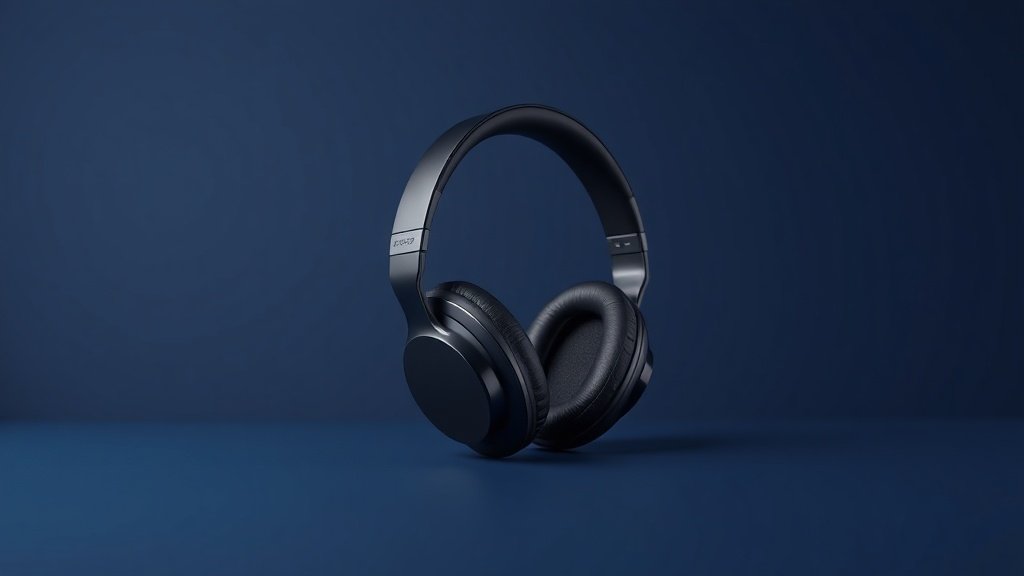
Commuting is relentless. Whether you’re packed into a tube carriage, grinding through a bus journey, or blocking out an open-plan office before you’ve even sat down, the right pair of headphones can make the difference between arriving drained and arriving ready. The wrong pair — poor noise cancellation, a battery that dies halfway, or ear cups that hurt after twenty minutes — just adds to the misery.
This guide cuts through the noise (literally) and ranks the best headphones for commuting in 2026 from the supplied pool of real Amazon listings. Every pick here has been chosen for its relevance to commuters: active noise cancellation, long battery life, comfortable fit for extended wear, and the ability to handle calls without pulling your phone out. We’ve kept the list tight so every entry earns its place.
Whether you’re after the best all-rounder, the most wallet-friendly option, or a premium set worth investing in, there’s a clear recommendation below for you.
Best overall: Soundcore Space One Pro by Anker

The Soundcore Space One Pro is the pick for commuters who want everything in one package. It is a foldable over-ear built for travel — its FlexiCurve hinges rotate almost 270 degrees so the cups collapse flat into a bag — and at a measured ~288 g it stays comfortable on a long journey. The numbers back it up: independent testing measured its Adaptive ANC at around an 84% average cut in ambient noise, and battery runs a genuinely long 40 hours with ANC on (60 with it off), with a five-minute charge buying about five more hours.
The headline strength here is the combination of Adaptive ANC and a genuinely impressive battery life that’s stated in the title. On top of that, a five-minute quick charge delivering hours of playback is a genuine lifesaver when you’ve forgotten to plug in overnight. Hi-Res LDAC support means audio quality is a step above standard Bluetooth streaming, and the six-microphone call system gives you a fighting chance of being heard clearly even on a noisy platform.
The honest limitation is that over-ear headphones with this many features tend to sit at a higher price point than simpler options on this list — so if budget is tight, read on. But for commuters who want Adaptive ANC, a comfortable fit for long journeys, and rock-solid call quality, the Space One Pro is the clear overall winner.
Buy this if: You commute daily and want the most complete feature set — adaptive noise cancellation, long battery, quick charge, and clear calls — in a foldable package.
Best premium: Beats Studio Pro
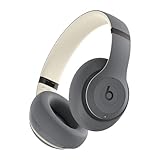

The Beats Studio Pro is the premium pick for commuters who want a well-known name, polished hardware, and compatibility that works seamlessly with both Apple and Android devices. Beats positions this explicitly as ‘great for travel and commuting’ in its own product description, so it’s not a stretch to say it was designed with exactly this use case in mind. The over-ear design and active noise cancellation are standard expectations at this tier, and the Studio Pro delivers both.
Battery life is substantial — stated in the title as up to 40 hours — which means most commuters will be charging weekly rather than nightly. The Sand Gray colourway featured here is an exclusive finish, which appeals if you care about how your kit looks on a morning commute. Cross-platform compatibility (Apple and Android) is genuinely useful if you move between ecosystems or share headphones with someone on a different platform.
The trade-off is price: the Beats Studio Pro is the most premium option on this list, and you’re partly paying for the brand and the ecosystem integration. Commuters who don’t need Apple-specific features may find similar ANC performance from other picks here at a lower cost.
Buy this if: You want a premium, brand-name commuting headphone that works equally well with an iPhone and an Android phone, and battery life is a top priority.
Best for long journeys: JBL Tune 770NC

The JBL Tune 770NC is the pick for commuters whose journeys stretch long — think intercity trains, airport transfers, or marathon bus rides. The stated battery life of up to 70 hours is the highest of any pick on this list, and Speed Charge support means a short top-up gives you meaningful playback when you’re running late. JBL’s Adaptive Noise Cancelling with Smart Ambient mode means you can dial between full isolation and letting in enough of your surroundings to hear announcements without taking the headphones off.
The Tune 770NC runs on Bluetooth 5.3 and comes in a lightweight, foldable design — two things that matter when you’re carrying a bag through a busy station. The comfortable fit is a genuine asset for anyone who wears headphones for an hour or more each way. JBL is a well-established audio brand, and the Tune 770NC sits at a solid mid-range position that doesn’t demand a premium price for what it delivers.
The limitation is that JBL’s ANC, while adaptive, doesn’t always match the outright noise-floor reduction of some higher-end competitors. If you’re on an extremely noisy commute — say, a loud underground line — you may notice some bleed through. For most surface commuters, though, it’ll be more than adequate.
Buy this if: Your commute is long, you value a massive battery and Speed Charge, and you want a lightweight foldable design from a trusted audio brand.
Best budget: Soundcore Q20i by Anker
The Soundcore Q20i is the most accessible entry point on this list for commuters who want Hybrid Active Noise Cancellation without spending heavily. It’s a wireless over-ear Bluetooth headphone with ANC and a Transparency Mode — the latter lets ambient sound in when you need to hear a station announcement or someone talking to you, which is a genuinely useful commuting feature. Hi-Res Audio support means the audio quality punches above what you’d expect at this price tier.
The Q20i also offers app customisation via the Soundcore app, where you can tweak the EQ to suit your listening preferences on the go. Big bass tuning is a feature Anker highlights, which suits commuters who want their music to feel energetic during a dreary journey. Battery life is stated as 40 hours with ANC on — enough for a full working week of daily commutes without a charge.
The honest limitation is that the Q20i’s noise cancellation, while effective for the price, isn’t as sophisticated as the Hybrid Adaptive ANC found in the Space One Pro or the Tune 770NC. In very noisy environments, you’ll notice the ceiling. But as the most affordable pick here, it offers remarkable value for commuters on a tight budget.
Buy this if: You want genuine ANC, transparency mode, and Hi-Res Audio on a budget, and you’re happy to trade some top-end refinement for a much lower outlay.
Best value: Soundcore Q30 by Anker

The Soundcore Q30 sits a step above the Q20i in Anker’s lineup and brings a few meaningful upgrades for commuters willing to spend a little more. Hybrid Active Noise Cancelling with multiple ANC modes gives you more control over how much of the outside world you let in — useful when you want full isolation on a loud train but something softer while walking through a busy station. Multipoint Connection means it can hold a simultaneous link to two devices, so switching between your phone call and your laptop audio is seamless.
The Q30 also supports app-based custom EQ via the Soundcore app, and its 50-hour battery life is stated in the title — a step up from the Q20i and more than enough for a week of heavy commuter use. The comfortable fit is called out explicitly, which matters when you’re wearing these for an hour each way. Hi-Res Audio support rounds out a feature set that’s genuinely competitive above its price bracket.
The limitation is that the Q30 doesn’t offer quick-charge functionality (unlike the Space One Pro), so if you forget to charge it you’ll need a longer top-up time. It’s also not a foldable design, which may make it slightly bulkier in a bag compared to the foldable picks on this list.
Buy this if: You want a step up from basic ANC with multipoint connection and a 50-hour battery, and you want the best value for money in the mid-range tier.
Best lightweight option: Sony WH-CH520

The Sony WH-CH520 takes a different approach from the over-ear, full-ANC headphones dominating this list. It’s an on-ear Bluetooth headset — lighter, more compact, and easier to slip on and off quickly, which suits commuters who make multiple short hops rather than one long journey. Sony is a name with a strong audio pedigree, and the WH-CH520 benefits from that reputation in terms of tuning and build reliability.
Battery life is stated at up to 50 hours with quick charging support — excellent for an on-ear set at this price point. It includes a built-in microphone for calls, which is a basic but essential commuting requirement. The on-ear form factor keeps weight down and makes it more packable than a larger over-ear design.
The honest limitation is that the WH-CH520 does not feature Active Noise Cancellation. On a loud commute — underground trains, busy buses — you’ll hear more of the world around you than with any ANC-equipped pick on this list. If noise isolation is your primary concern, look at the Space One Pro or the Tune 770NC instead. But if you prefer a lighter, simpler headphone for shorter or quieter commutes, the WH-CH520 is a dependable choice from a trusted brand.
Buy this if: You want a lightweight, long-battery Sony on-ear headphone for shorter commutes and don’t require active noise cancellation.
How to choose your commuting headphones
Active Noise Cancellation matters most on loud routes. ANC is the single most important feature for tube, train, and bus commuters. It electronically reduces the drone of engines and crowd noise so you hear your music or podcast more clearly at lower volume — which also protects your hearing over time. Look for ‘Hybrid ANC’ or ‘Adaptive ANC’ labels, as these tend to be more effective than basic single-mode ANC.
Battery life should cover a full week, not just a day. If you commute five days a week for an hour each way, you’re using roughly ten hours of battery per week. A headphone with 40 hours of ANC-on battery means you’re charging roughly once a week. Anything under 30 hours starts to feel like a chore. Quick-charge features are a bonus — a five-minute top-up delivering several hours of playback can save you on rushed mornings.
Foldable and portable design reduces bag faff. Headphones that fold flat or collapse into a smaller footprint are meaningfully easier to carry. If you’re switching between a bag, a pocket, and a desk throughout the day, a non-foldable set becomes irritating quickly. Check whether the headphone is described as foldable before buying.
Call quality is underrated as a commuting feature. Many commuters take calls on the move. A headphone with a single basic microphone will struggle on a windy platform or a noisy bus. Multi-microphone setups with environmental noise cancellation (sometimes labelled ENC) make a real difference to how you sound to the person on the other end. If calls matter to you, prioritise headphones with multiple mics.
On-ear vs over-ear is a comfort and isolation trade-off. Over-ear cups fully surround your ear and generally provide better passive isolation and comfort for long sessions. On-ear designs sit on the ear, are usually lighter and more compact, but can cause discomfort over extended wear and let in more ambient sound. For long commutes, over-ear typically wins. For short hops or if you find over-ear headphones too warm, on-ear may suit you better.
Frequently asked questions
Do I need Active Noise Cancellation for commuting?
Not strictly, but it makes a significant difference on noisy routes. Underground trains, buses, and busy streets generate a constant low-frequency drone that ANC is specifically designed to reduce. If your commute is a quiet walk or a calm suburban train, you may find it less necessary. For most urban commuters, ANC is worth prioritising.
Is Bluetooth audio good enough quality for commuting?
For commuting, absolutely yes. Modern Bluetooth codecs — especially Hi-Res wireless formats like LDAC, which several picks on this list support — deliver audio quality well above what most people can distinguish from a wired connection, especially in a noisy environment. The convenience of wireless far outweighs any theoretical quality gap for commute listening.
What does ‘multipoint connection’ mean and why does it matter?
Multipoint connection allows your headphones to maintain an active Bluetooth link with two devices simultaneously — typically your phone and your laptop or tablet. When a call comes in on your phone, the headphones switch automatically. For commuters who move between a phone and a work device throughout the day, this removes the irritation of manually re-pairing every time you switch devices.
How important is quick charge for a commuting headphone?
Very useful if you’re forgetful about charging. A quick-charge feature — where a short plug-in delivers several hours of playback — means a rushed morning doesn’t leave you with dead headphones by lunchtime. If you’re disciplined about charging overnight, it matters less, but it’s a genuinely handy safety net.
Are foldable headphones worth it for commuting?
Yes, for most commuters. Foldable headphones compress to a smaller shape that fits more easily into a bag or backpack without taking up awkward space or getting damaged. If you’re only using your headphones at a fixed desk with no travel, it matters less. But for anyone who’s carrying their headphones in and out of a bag every day, foldable design reduces both hassle and wear on the hinges.
The verdict
For the best all-round commuting headphone on this list, the Soundcore Space One Pro by Anker stands out: it combines Adaptive ANC, a foldable travel-ready design, quick charge, multipoint connection, and Hi-Res LDAC audio into one cohesive package built explicitly for travel and work.
For the best value, the Soundcore Q30 by Anker delivers the most competitive feature set relative to its position on the list — Hybrid ANC, multipoint connection, 50-hour battery, and app-based EQ at a mid-range price that most commuters will find easy to justify.
For more, browse all our reviews and roundups.
AudioTechExpert is reader-supported. This article contains affiliate links, and we may earn a commission on qualifying purchases at no extra cost to you.