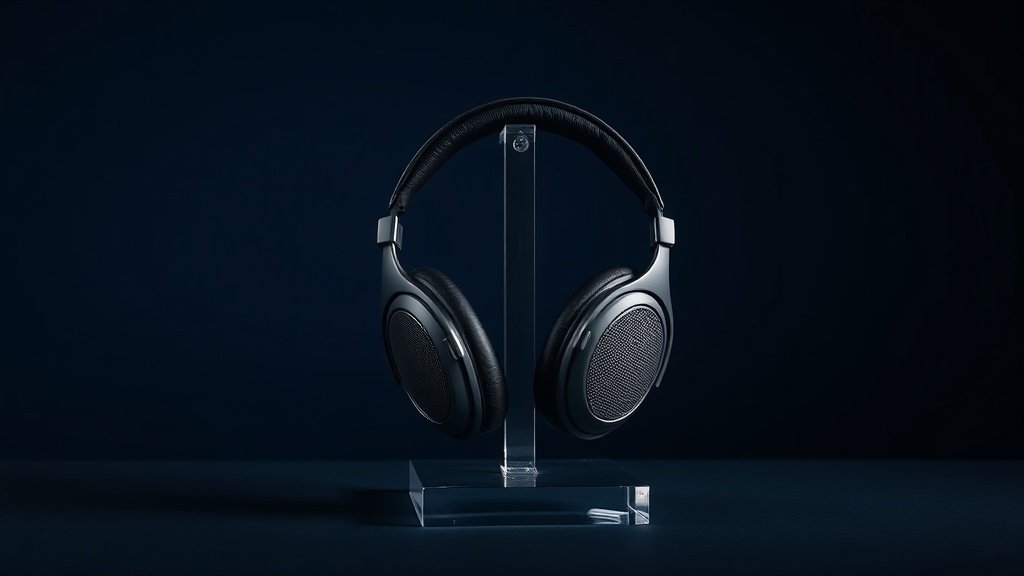
If you are serious about listening, the Sennheiser HD 600 and the Sennheiser HD 650 are two of the most discussed open-back wired headphones in the audiophile world. Both sit in the same family, both are built for critical, attentive listening, and both turn up repeatedly in conversations about what a reference headphone should sound like. Choosing between them is genuinely tricky, and that is exactly what this comparison is here to help you do.
The HD 600 arrives with its distinctive open metal earpiece covers and a reputation for a natural, balanced presentation. The HD 650 takes a slightly different stance, leaning into a warmer, more refined character often described as ‘smoother’ by those who have lived with both. Neither is the wrong choice — they are more like two philosophies sharing the same engineering DNA.
Quick answer: for most people the HD 650 is the more enjoyable pick — a warmer, smoother and more forgiving sound that flatters a wide range of music. Choose the HD 600 if you want the flatter, more analytical reference tuning for mixing and critical listening. Both need a headphone amp.
| Feature | Sennheiser HD 600 | Sennheiser HD 650 Our pick |
|---|---|---|
| Price | $279.00 | $309.00 |
| Type | Open-back, dynamic | Open-back, dynamic |
| Driver | Dynamic | Dynamic |
| Impedance | 300 Ω | 300 Ω |
| Sensitivity | 97 dB/mW | 103 dB/mW |
| Frequency response | 12 Hz – 40 kHz | 10 Hz – 41 kHz |
| Weight | ~260 g | ~260 g |
| Cable | Detachable | Detachable |
| Amp recommended? | Yes — 300 Ω needs an amp | Yes — 300 Ω (a touch easier) |
| Sound signature | Neutral, reference, slightly analytical | Warmer, smoother, more forgiving |
| Best for | Critical mixing & reference | Long, musical listening |
| Verdict | The reference — most neutral & revealing | Our pick for most: warmer, more forgiving, musical |
| Check price | View on Amazon | View on Amazon |
This article compares the HD 600 and HD 650 head to head across sound character, comfort and build, how they perform with different sources, and ultimately which type of listener each one suits best. No other products are introduced here — this is purely a matchup between these two.
Sennheiser HD 600: the neutrality-first reference standard

The Sennheiser HD 600 is an audiophile open-back dynamic wired headphone designed for music lovers who want to hear recordings as they were intended. Its open metal earpiece covers are a signature visual detail and also a functional one — the open-back design creates a natural soundstage that lets the music breathe rather than feel confined inside your head. Sennheiser positions this as a headphone for those who prioritise accuracy and a sense of space.
The HD 600 is widely regarded as a benchmark for neutral sound reproduction. Listeners who value clarity, instrument separation, and an honest rendering of a recording will find it particularly rewarding. It is a headphone that suits classical, acoustic, jazz, and any genre where micro-detail and imaging matter. It also scales well — pair it with a better amplifier or DAC and it rewards the investment.
The honest limitation is that the HD 600 demands a decent source. Its relatively high impedance means it will not sing from a phone headphone jack alone; you will want a dedicated headphone amplifier or a good DAC-amp combination to get the best from it. For those already invested in a desktop listening setup, this is a non-issue, but it is worth knowing before you buy.
Sennheiser HD 650: the warm, hi-res open-back for refined listening

The Sennheiser HD 650 is Sennheiser’s hi-res certified open-back dynamic headphone, finished in a distinctive Titan colourway. It shares the same open-back philosophy as the HD 600 but tuned with a subtly different character — one that many describe as warmer, slightly more forgiving, and with a fuller low-end weight. Sennheiser labels it as audiophile and hi-res capable, positioning it as a step further into premium territory.
The HD 650 suits listeners who enjoy that extra body in the bass and midrange — those who find a strictly neutral sound a little clinical for extended listening sessions. It remains a highly detailed headphone, and its hi-res credentials mean it is well-suited to high-quality digital files and streaming at lossless quality. Vocalists and acoustic instruments in particular tend to sound particularly rich and full through the HD 650.
Like the HD 600, the HD 650 has a high impedance design and genuinely benefits from amplification. It is not a portable pairing headphone — it is a headphone you sit down with, at a proper listening station. If that suits your lifestyle, it delivers handsomely. If you are hoping for a plug-and-play experience from a mobile device, neither of these two headphones is ideally suited, but the HD 650 is at least equally demanding in that regard.
Head-to-head: HD 600 vs HD 650
Sound signature: This is where the two diverge most meaningfully. The HD 600 is tuned for a more neutral, linear presentation — what audiophiles sometimes call a ‘flat’ response, meaning it does not emphasise any particular frequency range. The HD 650, by contrast, has a warmer quality, with more weight in the bass and lower midrange. Neither approach is objectively better; it comes down to personal preference. Listeners who want accuracy favour the HD 600; those who prefer a more ‘musical’ or rounded sound tend to gravitate toward the HD 650.
Detail and soundstage: Both headphones offer excellent detail retrieval — this is a genuine strength they share. The HD 600’s more neutral tuning can make fine details feel slightly more exposed and upfront. The HD 650’s warmth can occasionally add a slight veil over the very highest frequency detail for those with highly trained ears, though most listeners will find both headphones impressively resolving. Soundstage on both is wide and natural, as you would expect from an open-back design.
Comfort and build: Both headphones follow the same ergonomic design language, with padded headbands, plush ear cushions, and a secure but not overly tight fit. Long listening sessions are comfortable on both. The HD 650’s Titan finish gives it a slightly different aesthetic, but in terms of physical feel they are very closely matched. Both use detachable cables, which is a practical advantage for long-term ownership.
Source and amplifier pairing: Both headphones have a high impedance design and reward amplification. The HD 650’s warmer character can make it slightly more forgiving of brighter-sounding amplifiers, while the HD 600’s neutrality tends to reflect whatever the source sounds like more directly. If you are building a desktop hi-fi setup and are still choosing your amplifier, this is worth considering — the HD 600 rewards a high-quality neutral amp, while the HD 650 can smooth over a slightly bright or clinical source.
Value: The HD 650 is typically the pricier of the two. Whether that premium is justified depends entirely on your preference for the warmer sound character it offers. The HD 600, as the more affordable option, delivers exceptional performance for its price and is often cited as one of the best value propositions in serious audio. If you are budget-conscious but still want reference-grade listening, the HD 600 is the stronger value case. If the HD 650’s tonal balance appeals to you specifically, the price difference is a modest step for a meaningful shift in character.
Frequently asked questions
Which has better sound quality — the HD 600 or the HD 650?
Both are outstanding headphones and the answer depends on what ‘better’ means to you. The HD 600 is more neutral and analytical, making it a favourite for those who want accuracy. The HD 650 is warmer and more forgiving, appealing to listeners who prefer a richer, more enveloping sound. Neither is objectively superior — they are different tuning philosophies from the same high-quality starting point.
Is the HD 650 worth more than the HD 600?
The HD 650 does carry a higher price, and whether it justifies that difference is a personal decision. If the warmer, fuller character of the HD 650 matches your listening preferences, the premium is reasonable. If you prefer a neutral, reference-style presentation, the HD 600 may actually suit you better at the lower price point.
Which is better for classical music — the HD 600 or the HD 650?
The HD 600’s neutral, open soundstage makes it particularly well-suited to classical music, where accurate timbres and precise imaging matter. The HD 650 also performs well with classical but adds a touch of warmth that some listeners love for orchestral pieces. Both are genuine choices here; the HD 600 edges it for pure transparency.
Do both headphones need an amplifier?
Yes — both the HD 600 and the HD 650 have high impedance designs that genuinely benefit from dedicated amplification. Neither will perform at its best from a smartphone alone. A headphone amplifier or DAC-amp combination is strongly recommended for both.
Which is more comfortable for long listening sessions — the HD 600 or the HD 650?
Both headphones share a very similar physical design and are well-regarded for comfort. Ear cushion padding, headband design, and overall fit are closely matched between the two. Most listeners would find either comfortable for extended sessions, and this is not a deciding factor between them.
The verdict
Choose the HD 600 if you value neutrality, transparency, and getting as close as possible to what is actually on the recording. It is the more affordable of the two and arguably offers the better value proposition for listeners who want a genuine reference standard without leaning toward any particular frequency region. It suits those who listen analytically, who mix genres widely, and who want a headphone that tells the truth about their source material.
Choose the HD 650 if you want that same open-back quality and detail but with a warmer, richer low-end and a slightly more ‘musical’ overall character. If you listen to a lot of vocals, acoustic instruments, or simply prefer a sound that feels less clinical and more emotionally engaging over long sessions, the HD 650’s tuning rewards you. It is the pricier option, but the difference is not vast, and for the right listener it is a meaningful one.
If you already own a good desktop amplifier and enjoy sitting down for dedicated listening, you will honestly be well-served by either. Both headphones represent decades of Sennheiser engineering at a high level, and whichever you choose, you are getting a headphone that serious listeners genuinely respect.
For more, browse all our reviews and roundups.
AudioTechExpert is reader-supported. This article contains affiliate links, and we may earn a commission on qualifying purchases at no extra cost to you.