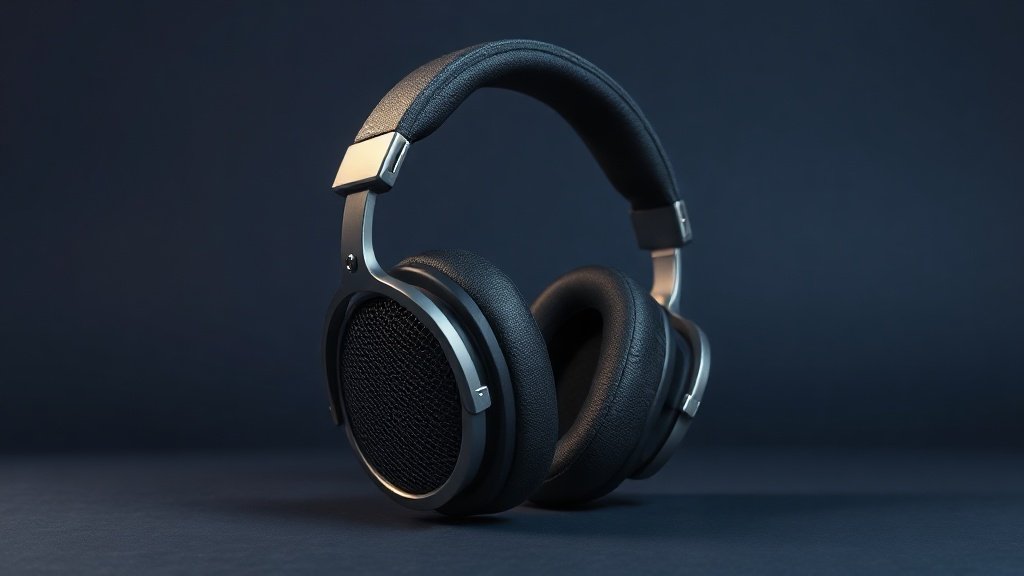
If you are weighing up two of the most talked-about open-back studio headphones on the market, you have almost certainly landed on the Beyerdynamic DT 990 PRO and the AKG K712 PRO. Both are wired, over-ear, open-back designs aimed at studio and critical-listening work, yet they approach the job from noticeably different angles. This comparison is here to help you decide which of the two belongs on your head.
The DT 990 PRO has been a staple of recording studios for decades, earning a loyal following for its robust German build and energetic, analytical sound. The AKG K712 PRO, meanwhile, positions itself as a reference-grade mixing and mastering tool, promising a flat, detailed response suited to precise audio work. Neither is a casual listening headphone — both reward a quiet room and a good amplifier.
Quick answer: for most people the AKG K712 PRO is the better all-rounder — a wider soundstage, flatter, warmer tuning, a detachable cable and an easier 62-ohm load. Choose the Beyerdynamic DT 990 PRO if you want brighter, sparkly treble and don’t mind needing an amp for its 250-ohm drivers.
| Feature | Beyerdynamic DT 990 PRO (250 Ω) | AKG K712 PRO Our pick |
|---|---|---|
| Price | $199.99 | $297.00 |
| Type | Open-back, dynamic | Open-back, dynamic |
| Driver | Dynamic | Dynamic (flat-wire voice coil) |
| Impedance | 250 Ω | 62 Ω |
| Frequency response | 5 Hz – 35 kHz | 10 Hz – 39.8 kHz |
| Weight | ~250 g | ~235 g |
| Sound signature | Bright, sparkly treble + boosted bass | Wide soundstage, warmer & flatter |
| Cable | Non-detachable 3 m coiled | Detachable |
| Amp recommended? | Yes — 250 Ω needs an amp | Benefits from an amp (easier load) |
| Best for | Detail & sparkle, gaming, tracking | Reference mixing & wide imaging |
| Verdict | Best for bright, exciting detail | Our pick for neutral reference & comfort |
| Check price | View on Amazon | View on Amazon |
Below we look at sound signature, comfort and build, usability, and overall value so you can make a genuinely informed call. We cover only these two products: the Beyerdynamic DT 990 PRO and the AKG K712 PRO.
Beyerdynamic DT 990 PRO: the durable studio workhorse with an energetic character

The Beyerdynamic DT 990 PRO is an open-back, over-ear headphone built squarely for professional studio use. Its headband and cup construction have a no-nonsense, replaceable-parts ethos that has kept it relevant across many product generations. Beyerdynamic manufactures the DT 990 PRO in Germany, and that heritage is evident in the feel of the materials — this is a headphone built to survive the day-to-day demands of a working studio environment.
Sonically, the DT 990 PRO is known for a lively, forward presentation. The high-frequency region is prominent and detailed, which suits tasks like checking reverb tails, spot-editing vocal tracks, and catching sibilance in a mix. The low end is present and punchy without obscuring midrange detail. For engineers who want every transient to be clearly audible, that character is a genuine asset.
The honest limitation is that same brightness. Listeners who prefer a smoother, more relaxed treble — or who plan to wear these for very long sessions — may find the DT 990 PRO’s energy fatiguing over extended periods. It is also a purely wired, single-ended affair with no balanced cable option out of the box, which matters if your interface or amplifier only offers a balanced output.
AKG K712 PRO: the reference-tuned open-back built for analytical listening


The AKG K712 PRO is described in its own product listing as a ‘reference studio headphone,’ and the design philosophy backs that up. It is a wired, over-ear, open-back headphone featuring a flat wire voice coil — a construction choice AKG highlights as contributing to low-distortion audio reproduction. The result is a headphone aimed at mixing engineers and mastering professionals who need to hear a recording as it truly is, rather than through a coloured lens.
The K712 PRO’s standout strength is its even-handed, spacious presentation. The open-back design gives it a notably airy, wide soundstage that makes it easier to place instruments within a stereo field during a mix. It comes supplied with two detachable cables, adding practical flexibility in the studio and making cable replacement straightforward over the long term. The over-ear cups and self-adjusting headband are designed with extended wear in mind.
Its limitation is that the K712 PRO typically sits at the higher end of the price range between these two. Buyers on a tighter budget may find the jump in cost harder to justify, particularly if they are new to studio work and still developing their critical listening skills. It also benefits from amplification — as with the DT 990 PRO, it will not reach its potential from a laptop headphone jack alone.
Head-to-head: DT 990 PRO vs K712 PRO
Sound signature: These two headphones take distinctly different approaches. The DT 990 PRO has a lively, V-shaped character with an assertive top end that makes detail easy to spot. The K712 PRO aims for a flatter, more neutral response intended to give a truer representation of the source material. For mixing decisions that need to translate to other playback systems, the K712 PRO’s more balanced tuning is generally the safer reference. For tasks where hearing high-frequency detail quickly matters more than perfect neutrality, the DT 990 PRO’s character can be an asset.
Soundstage and imaging: The K712 PRO has the edge here. Its open-back design and reference tuning produce a notably wide, well-defined stereo image that helps with placing elements in a mix. The DT 990 PRO also benefits from being open-back and has a decent stereo image, but the K712 PRO’s presentation is generally perceived as more spacious and three-dimensional.
Comfort and build: Both headphones are over-ear designs built for long studio sessions. The DT 990 PRO’s robust, replaceable-parts construction gives it a reassuring solidity, and the velour pads are comfortable for extended wear. The K712 PRO’s self-adjusting headband removes the need to fine-tune fit each time you put it on, which many users find convenient. Comfort is broadly matched, with personal head shape likely being the deciding factor for individual buyers.
Cable and connectivity: The K712 PRO holds a practical advantage by including two detachable cables in the box, making it easier to adapt to different setups and simpler to replace a damaged cable without buying a proprietary part. The DT 990 PRO uses a coiled cable that is not detachable on the standard model, which is a minor inconvenience in a busy studio where cables can take a beating.
Amplifier requirements: Neither headphone is easy to drive from portable sources. Both reward a capable headphone amplifier or audio interface with a proper headphone output. This is worth factoring into the total cost of ownership — if you do not already own suitable amplification, budget for it alongside whichever headphone you choose.
Value: The DT 990 PRO is typically the more affordable of the two, making it an attractive entry point into professional open-back monitoring. The K712 PRO commands a higher price in line with its reference positioning and the inclusion of accessories like dual cables. Whether the premium is worth it depends largely on what you need: the K712 PRO’s more neutral tuning is worth paying for if precise mix translation is your priority, while the DT 990 PRO offers excellent quality for its outlay.
Frequently asked questions
Which has better sound for mixing — the DT 990 PRO or the K712 PRO?
For mixing where accurate translation to other systems matters, the AKG K712 PRO’s flatter, more neutral tuning gives it the advantage. The Beyerdynamic DT 990 PRO’s energetic treble can cause engineers to inadvertently reduce high frequencies in a mix that then sounds thin elsewhere. For spot-checking specific details, the DT 990 PRO’s forward character is useful, but the K712 PRO is the more reliable long-term mixing reference.
Which is more comfortable for long sessions — the DT 990 PRO or the K712 PRO?
Both are designed for extended wear, and comfort is closely matched. The K712 PRO’s self-adjusting headband may suit a wider range of head sizes without manual adjustment. The DT 990 PRO’s velour pads are also well regarded for breathability. Trying both in person, if possible, is the best way to settle this for your particular head shape.
Is the AKG K712 PRO worth more than the Beyerdynamic DT 990 PRO?
The K712 PRO is the pricier option, and it earns that premium through its more neutral tuning, wider soundstage, and included detachable dual-cable kit. Whether it is ‘worth it’ depends on your use case. Professional mixing and mastering engineers will likely find the additional cost justified. Hobbyists or those new to studio work may find the DT 990 PRO a more sensible starting point.
Can either headphone be used without an external amplifier?
Both the DT 990 PRO and the K712 PRO will technically produce sound from a standard headphone jack, but neither performs at its best without proper amplification. You will likely notice limited dynamics and insufficient volume from a laptop or phone output. A dedicated headphone amplifier or audio interface with a quality headphone stage is strongly recommended for either model.
Which headphone has better build quality — the DT 990 PRO or the K712 PRO?
The Beyerdynamic DT 990 PRO has a long-standing reputation for sturdy, serviceable construction with replaceable parts, which is a genuine advantage for longevity. The AKG K712 PRO is also well built and comes with detachable cables that reduce one common point of failure. Both are professional-grade products, so build quality is strong on each side, with the DT 990 PRO’s serviceability being a slight differentiator for buyers who plan to own it for many years.
The verdict
Choose the Beyerdynamic DT 990 PRO if you want an affordable, battle-hardened open-back headphone with an energetic sound that makes analytical detail easy to spot, and if you are working with a tighter budget or prefer a more exciting listening character alongside your studio work. Its longevity and replaceable-parts design also make it a sensible long-term investment for those who use headphones hard.
Choose the AKG K712 PRO if your primary goal is accurate, neutral monitoring for mixing and mastering, and you want a wider soundstage and the convenience of detachable cables from day one. The higher outlay is best justified when the precision of your mix decisions genuinely depends on a flat, honest reference — as it does for professional mixing and mastering engineers.
Either headphone will serve you well if you simply want a high-quality open-back experience for focused critical listening. Both are genuine professionals’ tools that outperform casual consumer headphones, and either will broaden your understanding of what recorded audio actually sounds like.
For more, browse all our reviews and roundups.
AudioTechExpert is reader-supported. This article contains affiliate links, and we may earn a commission on qualifying purchases at no extra cost to you.