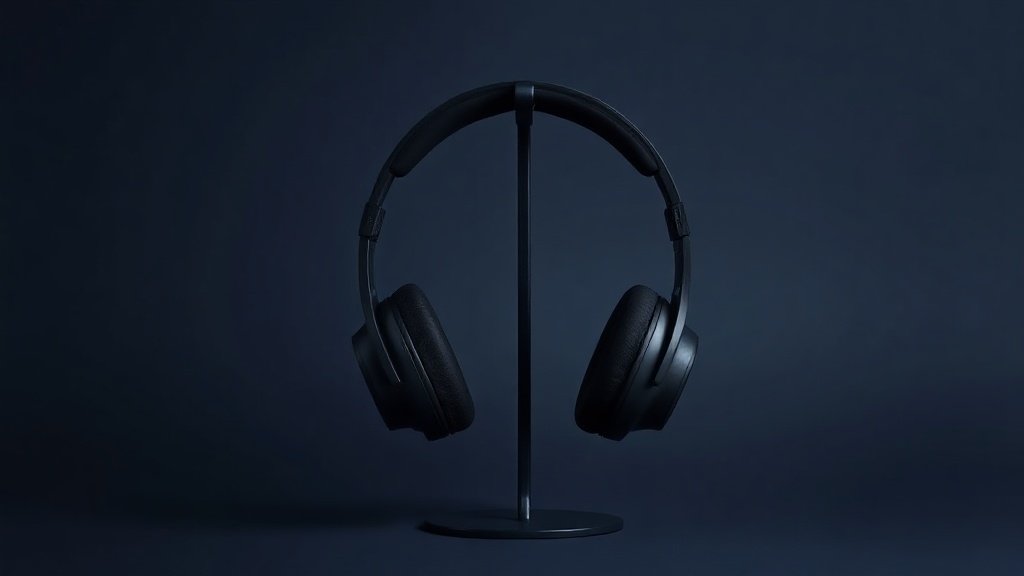
If you are shopping for a serious open-back headphone and have narrowed it down to two names — the HiFiMan HE400se and the Sennheiser HD 560S — you are already asking a genuinely interesting question. These two headphones represent different engineering philosophies: one uses a planar magnetic driver, the other a more conventional dynamic driver, and each approach brings its own character to the listening experience.
This comparison covers sound signature, comfort and build, ease of use, and overall value, so you can decide which of these two specific headphones suits your ears, your setup, and your listening habits. Both are open-back, over-ear, wired designs aimed at critical listening, gaming, and content creation — but they go about it in notably different ways.
Quick answer: for most people the Sennheiser HD 560S is the safer pick — it’s lighter, more neutral and easier to drive, which suits mixing and long sessions. Choose the HiFiMan HE400se if you specifically want planar-magnetic detail and don’t mind the extra weight and power needs.
| Feature | HiFiMan HE400se | Sennheiser HD 560S Our pick |
|---|---|---|
| Price | $109.00 | Check price |
| Type | Open-back, planar magnetic | Open-back, dynamic |
| Driver | Planar magnetic | 38 mm dynamic |
| Impedance | 32 Ω | 120 Ω |
| Frequency response | 20 Hz – 20 kHz | 6 Hz – 38 kHz |
| Weight | ~390 g | ~240 g |
| Sound signature | Detailed, planar-fast, slightly bright | Neutral, reference-flat |
| Cable | Detachable (3.5 mm dual-entry) | Detachable |
| Amp recommended? | Yes — likes extra power | Drives from most sources |
| Best for | Planar detail on a budget | Neutral mixing & long sessions |
| Verdict | Best if you want planar detail & technicality | Our pick for most: neutral, light, versatile |
| Check price | View on Amazon | View on Amazon |
The HiFiMan HE400se is the planar contender, offering a technology usually found in far more expensive headphones. The Sennheiser HD 560S is the dynamic-driver option, wearing Sennheiser’s reputation for neutral, natural sound on its sleeve. Read on for the full breakdown.
HiFiMan HE400se: the affordable planar magnetic pioneer

The HiFiMan HE400se brings planar magnetic driver technology to an accessible price point — a feat that would have seemed remarkable just a few years ago. Planar magnetic drivers work by suspending a thin membrane with a printed circuit across the full diaphragm surface, driven by magnets on either side. The result tends to be extremely low distortion, a fast transient response, and a sense of precision and texture — particularly in the bass and midrange — that dynamic drivers can struggle to match at the same price.
The HE400se is built with HiFiMan’s characteristic open-back aesthetic: a metal grille, a relatively large ear-cup footprint, and a headband designed for long sessions. It rewards listeners who want to hear detail in their music rather than a coloured, heavily sculpted sound. For home listening, critical audio work, or simply getting genuinely close to what the recording engineer intended, it is a compelling proposition at this end of the market.
The honest limitation is practical: planar magnetic headphones are typically hungrier for amplifier power than dynamic drivers, so the HE400se benefits meaningfully from a dedicated headphone amplifier or a DAC/amp combination. Plugging it straight into a laptop headphone jack will work, but you may find it sounds somewhat flat or lacks dynamics without a bit of extra power behind it. It is also on the heavier side compared to many competitors, which some listeners notice on longer sessions.
Sennheiser HD 560S: the neutral, natural dynamic-driver all-rounder
No products found.
The Sennheiser HD 560S is explicitly designed around a ‘neutral, natural sound’ philosophy — and Sennheiser makes no secret of that in the product name and description. It is a wired, open-back, over-ear headphone aimed squarely at music lovers, gamers, and content creators who want an honest window onto their audio rather than a flattering, bass-boosted presentation. Sennheiser’s dynamic driver here is tuned for a wide soundstage and an even frequency response, which makes it a practical choice for mixing references, extended gaming sessions, and everyday listening without fatigue.
The HD 560S is notably lightweight and comfortable for extended wear. Its build is largely plastic, which keeps the weight down and suits those who need to wear headphones for hours at a stretch. The open-back design delivers a spacious, airy sound that makes the HD 560S feel less ‘closed in’ than sealed alternatives — an important quality for critical listening or immersive gaming audio.
On the limitations side, the HD 560S’s commitment to neutrality means it will not flatter poorly recorded music or give bass-heavy genres extra warmth and weight. Listeners who enjoy a more engaging, punchy low end may find the HD 560S a touch analytical for casual enjoyment. Its build, while comfortable, also feels less premium to the touch than some rivals at a similar price.
Head-to-head: HE400se vs HD 560S
Sound signature: Both headphones aim for accuracy rather than colouration, but their drivers shape the experience differently. The HiFiMan HE400se’s planar magnetic driver tends to deliver a tighter, more textured bass and a sense of micro-detail that gives instruments a physical, almost tangible quality. The Sennheiser HD 560S’s dynamic driver produces a smooth, open, and natural presentation with an emphasis on a wide soundstage and easy listening. If you prize low-level detail and bass texture, the HE400se has the edge; if you value a relaxed, natural sound that works across genres for hours at a time, the HD 560S is the more forgiving listen.
Driver technology: This is the heart of the comparison. The HE400se uses a planar magnetic driver — a technology that excels at controlling distortion and producing a fast, even response across the diaphragm. The HD 560S uses a dynamic driver, which is more efficient, easier to drive from any source, and has its own strengths in terms of natural dynamic swing. Neither is categorically superior; they simply have different characters, and listeners often have a clear preference for one over the other once they have heard both.
Ease of driving: The HD 560S is significantly easier to drive than the HE400se. It will perform well straight out of a phone, laptop, or basic audio interface. The HE400se, by contrast, benefits from a dedicated amplifier to reach its potential — plugging it into a low-power source will leave its dynamics and detail somewhat underwhelming. If you do not already own or plan to buy a headphone amp, the HD 560S is the more practical choice.
Comfort and build: The HD 560S is the lighter and more comfortable option for extended wear, thanks to its lightweight plastic construction and Sennheiser’s well-regarded ergonomic headband. The HE400se is heavier — a consequence of its planar magnetic internals — and while it is perfectly comfortable for moderate listening sessions, some users notice the extra weight over several hours. Build quality on both is solid for the price; the HE400se feels slightly more substantial, while the HD 560S feels more refined in the way it sits on the head.
Use-case fit: The HD 560S, with its explicitly stated suitability for ‘music, gaming, and content creation’, is the more versatile and plug-and-play option. The HE400se is best suited to home listening with proper amplification, and rewards a more deliberate setup. Gamers and content creators who want to connect and go will find the HD 560S the smoother experience. Dedicated audio enthusiasts building a desktop listening rig will likely get more from the HE400se’s planar character.
Value: Both headphones occupy a similar corner of the market — accessible pricing for serious audio performance. The HE400se offers planar magnetic technology at a price that was unheard of until recently, which represents strong engineering value. The HD 560S offers Sennheiser’s accumulated expertise in dynamic-driver voicing and a highly polished, no-fuss experience. Which represents better value depends on what you are optimising for: raw technical performance per pound, or ease of use and versatility.
Frequently asked questions
Which sounds better for critical listening — the HiFiMan HE400se or the Sennheiser HD 560S?
Both are well-regarded for critical listening, but they have different flavours. The HE400se’s planar magnetic driver gives it an edge in bass texture and micro-detail retrieval, which many critical listeners prefer. The HD 560S offers a more natural, effortless presentation that is also excellent for reference work. If you are driving them from a proper amplifier, the HE400se tends to reveal more fine detail; if you are working from a basic interface or without a headphone amp, the HD 560S will likely sound better in practice.
Is the HiFiMan HE400se worth the extra setup effort compared to the Sennheiser HD 560S?
If you already own a headphone amplifier or plan to buy one, the HE400se’s planar magnetic character is genuinely worth experiencing at this price. If you want a headphone that simply plugs in and sounds great without additional gear, the HD 560S is the more practical and immediately rewarding choice. The HE400se rewards investment; the HD 560S rewards convenience.
Which is better for gaming — the HE400se or the HD 560S?
The Sennheiser HD 560S has an advantage for gaming: it is easier to drive from a gaming PC or console audio output, it is lighter and more comfortable for long sessions, and its open soundstage aids positional audio. The HE400se can also deliver an impressive gaming experience, but it really needs an amplifier in the chain to shine. For most gamers, the HD 560S is the more sensible recommendation.
Which headphone is more comfortable for long listening sessions?
The HD 560S edges ahead on comfort for extended sessions due to its lighter weight and Sennheiser’s well-engineered headband design. The HE400se is comfortable by any reasonable standard but is noticeably heavier, which some listeners begin to feel after a couple of hours. If marathon listening sessions are your priority, the HD 560S has the advantage.
Can I use the HiFiMan HE400se or the Sennheiser HD 560S without a headphone amp?
The HD 560S is designed to work well without a dedicated amplifier — it will sound excellent from a laptop, phone, or audio interface headphone output. The HE400se will technically work from the same sources, but its full potential — particularly in terms of dynamics and detail — is not realised without proper amplification. If you do not have a headphone amp, the HD 560S is the safer and more satisfying choice out of the box.
The verdict
Choose the HiFiMan HE400se if you have a headphone amplifier in your setup (or are willing to invest in one), you are genuinely curious about what planar magnetic technology sounds like, and you prioritise bass texture and micro-detail above all else. It is the more technically adventurous of the two headphones, and for a home listening enthusiast building a proper desktop audio rig, it offers something genuinely special at its price point.
Choose the Sennheiser HD 560S if you want a neutral, natural, and immediately satisfying open-back experience without additional equipment, or if your primary uses include gaming and content creation alongside music. Its lighter weight, easy-driving nature, and polished versatility make it the more accessible and practical recommendation for the majority of buyers.
Either headphone will reward a listener who values honesty and accuracy over flattery. If you already own the right amplifier, the choice becomes a matter of sonic character; if you are starting from scratch, the HD 560S makes the journey considerably simpler.
For more, browse all our reviews and roundups.
AudioTechExpert is reader-supported. This article contains affiliate links, and we may earn a commission on qualifying purchases at no extra cost to you.