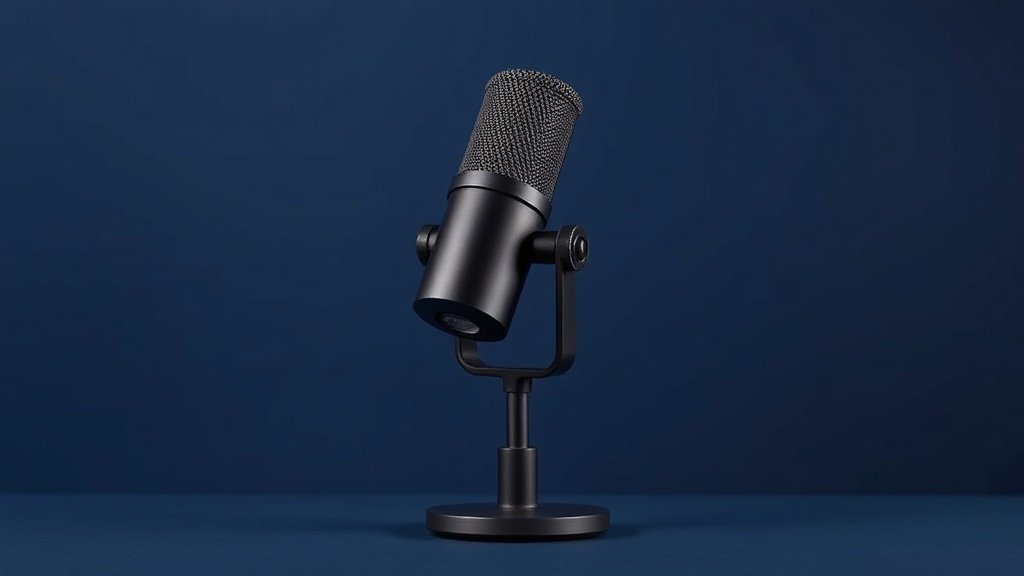
Choosing between the Rode PodMic and the Shure MV7+ is one of the most common dilemmas facing anyone setting up a home studio or podcast rig. Both are dynamic microphones aimed squarely at spoken-word content creators, but they take meaningfully different approaches to connectivity, control, and overall workflow. This comparison exists to help you decide between these two specific options — not to rank them against a wider field.
The Rode PodMic is a no-frills XLR dynamic microphone built for broadcasters who already own (or plan to own) an audio interface or mixer. The Shure MV7+ steps further into modern territory, offering both USB-C and XLR outputs, an onboard LED control panel, and a digital pop filter — making it a more self-contained solution. Both are capable of producing polished, professional-sounding results; the question is which setup suits your workflow.
Quick answer: for most people the Shure MV7+ is the more flexible pick — USB-C and XLR in one, built-in headphone monitoring, a touch panel and app control make it a true plug-and-play podcast mic. Choose the Rode PodMic if you already have an audio interface and want excellent broadcast sound for around a third of the price.
| Feature | Rode PodMic | Shure MV7+ Our pick |
|---|---|---|
| Price | $86.00 | Check price |
| Type | Dynamic (cardioid) | Dynamic (cardioid) |
| Connection | XLR only | USB-C + XLR (hybrid) |
| Frequency response | 50 Hz – 14 kHz | 50 Hz – 16 kHz |
| Needs an interface? | Yes | No — USB plug-and-play (or XLR) |
| Headphone monitoring | Via your interface | Built-in (USB), zero-latency |
| Onboard controls | None | Touch panel + Motiv app + denoiser |
| In the box | Internal pop filter + shock mount | Digital pop filter |
| Phantom power | Not required | Not required |
| Best for | Value XLR setups with an interface | Plug-and-play podcasting, flexibility |
| Verdict | Best value — superb broadcast sound if you have an interface | Our pick: USB+XLR flexibility, monitoring & app control |
| Check price | View on Amazon | View on Amazon |
If you are wiring up a dedicated recording desk with a proper interface, the Rode PodMic deserves serious attention. If you want something that can plug straight into a laptop one day and a professional desk the next, the Shure MV7+ makes a strong case for itself. Read on for the full breakdown.
Rode PodMic: the no-nonsense XLR workhorse

The Rode PodMic is a dedicated XLR dynamic microphone designed from the ground up for podcasting and broadcast work. Its internal shock mounting helps reduce handling noise and desk vibrations, and its tight cardioid polar pattern does a solid job of rejecting off-axis sound — useful if you are recording in a less-than-ideal acoustic environment. Rode has built a reputation for robust, well-engineered audio gear, and the PodMic reflects that pedigree in both its build quality and its warm, focused sound character.
The microphone features an integrated pop filter built into the body, which cuts down on plosive sounds without requiring a separate accessory. It also has an internal shock mount, so you do not necessarily need an expensive external isolation mount straight away. For anyone who already owns an audio interface or mixer, or who is actively looking to invest in one, the PodMic offers excellent value and a clean, professional signal path.
The honest limitation here is that the PodMic is XLR-only. If you do not already own an audio interface, you will need to buy one before you can use this microphone at all. That adds cost and complexity to the setup, which may not suit beginners or those who simply want to plug in and start recording immediately.
Shure MV7+: the flexible hybrid mic for modern creators


The Shure MV7+ is a dynamic microphone that offers both USB-C and XLR connectivity in a single body, making it one of the most versatile options in its class. The USB-C output means you can connect directly to a Mac, PC, or tablet without any additional hardware, which dramatically lowers the barrier to entry. Shure has also added an LED control panel on the body itself, allowing you to adjust headphone monitoring volume and mix blend on the fly without diving into software menus. It is OBS-certified, which is a practical tick for anyone who streams live.
The onboard digital pop filter is a thoughtful inclusion — it handles plosive reduction at the signal-processing level, complementing the physical design. The Auto Level Mode is another standout feature: it continuously analyses your voice and adjusts the gain automatically, which is genuinely useful for solo podcasters who do not want to fiddle with levels before every session. The MV7+ suits creators who want a single microphone that can grow with them, starting on a laptop and eventually moving to an XLR interface setup.
The trade-off is that the Shure MV7+ is the pricier of the two options. Some purists also argue that routing audio through USB introduces an extra layer of digital processing that a clean XLR-to-interface chain avoids — though in practice, the difference is minimal for most podcast use cases.
Head-to-head: Rode PodMic vs Shure MV7+
Connectivity: This is the starkest difference between the two. The Rode PodMic is XLR-only, requiring an audio interface or mixer to function. The Shure MV7+ offers both USB-C and XLR, meaning it works straight out of the box with a laptop. If you do not already own interface hardware, the MV7+ wins this category outright.
Sound character: Both microphones are dynamic cardioids designed for close-mic vocal recording, so they share a broadly warm, punchy sound profile that suits speech well. Neither product’s title supplies specific frequency figures, so we will not fabricate them — but both are well-regarded in the podcasting community for producing full-bodied, broadcast-style results. At equivalent gain settings through an XLR interface, the differences are subtle rather than dramatic.
Onboard features and controls: The Shure MV7+ pulls ahead here with its LED panel, Auto Level Mode, digital pop filter, and direct headphone monitoring. The Rode PodMic keeps things simple — it has no onboard controls whatsoever. If you prefer to handle all settings in your interface software, the PodMic’s simplicity is a feature; if you want accessible hardware controls, the MV7+ is the stronger choice.
Build quality and handling: Both microphones feel solid and well-constructed. The Rode PodMic has an integrated internal shock mount and built-in pop filter baked into its metal housing. The Shure MV7+ is also robustly built and includes a yoke-style mount. Neither feels fragile. Rode’s industrial design leans more utilitarian; Shure’s has a slightly more consumer-friendly aesthetic with the LED panel adding a modern touch.
Ease of setup: For a complete beginner, the Shure MV7+ is significantly easier to get started with — plug in via USB-C and you are recording within minutes. The Rode PodMic demands an interface, which means more cables, more software configuration, and more upfront investment. Experienced users with existing rigs will find the PodMic perfectly straightforward, however.
Value: The Rode PodMic is the more affordable option, though the true cost depends on whether you already own an interface. If you are buying from scratch, the total outlay for a PodMic-plus-interface setup may exceed the cost of the MV7+ alone. For those with existing XLR gear, the PodMic represents excellent value. The MV7+ is the pricier standalone purchase, but it bundles more functionality into one device.
Frequently asked questions
Which has better connectivity — the Rode PodMic or the Shure MV7+?
The Shure MV7+ has the clear advantage here. It offers both USB-C and XLR outputs, so it works with a laptop straight away or with a professional interface. The Rode PodMic is XLR-only, which means you need an audio interface or mixer to use it at all.
Is the Shure MV7+ worth more than the Rode PodMic?
It depends on what you already own. The Shure MV7+ costs more upfront, but it includes USB-C connectivity, onboard controls, Auto Level Mode, and a digital pop filter — features that the Rode PodMic simply does not have. If you are starting from scratch and want one device that does everything, the MV7+ may represent better overall value. If you already own an audio interface, the PodMic delivers a clean XLR signal at a lower price.
Which microphone is better for beginners — the Rode PodMic or the Shure MV7+?
The Shure MV7+ is more beginner-friendly. Its USB-C connection means you can plug it into a laptop and start recording immediately, without any additional hardware. The Rode PodMic requires an audio interface, which adds complexity and cost for those just starting out.
Which is better for streaming — the Rode PodMic or the Shure MV7+?
The Shure MV7+ has a practical edge for streamers: it is OBS-certified, connects via USB-C without extra hardware, and its Auto Level Mode helps maintain consistent audio during live broadcasts. The Rode PodMic can absolutely be used for streaming, but it requires a separate interface in the chain, which adds a step to the setup.
Can both microphones be used in a professional studio setup?
Yes. Both the Rode PodMic and the Shure MV7+ feature XLR outputs compatible with professional audio interfaces and mixers. The PodMic is exclusively XLR, so it is already oriented towards that kind of setup. The MV7+ works just as well in an XLR chain, with the added flexibility of USB-C for portable use.
The verdict
Choose the Rode PodMic if you already own an audio interface or are actively building a dedicated XLR-based recording setup. It is the more affordable entry point for anyone who wants a clean, broadcast-quality dynamic microphone without paying for features they will handle elsewhere in their signal chain. Its simplicity is genuine — there is nothing superfluous, and that focused design pays off in a transparent, reliable performance.
Choose the Shure MV7+ if you want maximum flexibility, an all-in-one solution, or you are new to podcasting and do not want to invest in additional hardware straight away. The USB-C connectivity, Auto Level Mode, onboard LED controls, and OBS certification make it a remarkably self-contained package. It costs more, but it earns that premium through genuine versatility.
Either microphone will serve a podcaster, streamer, or home broadcaster well — the decision really comes down to your existing gear and how you prefer to work. Both represent solid, well-considered choices from reputable audio brands.
For more, browse all our reviews and roundups.
AudioTechExpert is reader-supported. This article contains affiliate links, and we may earn a commission on qualifying purchases at no extra cost to you.