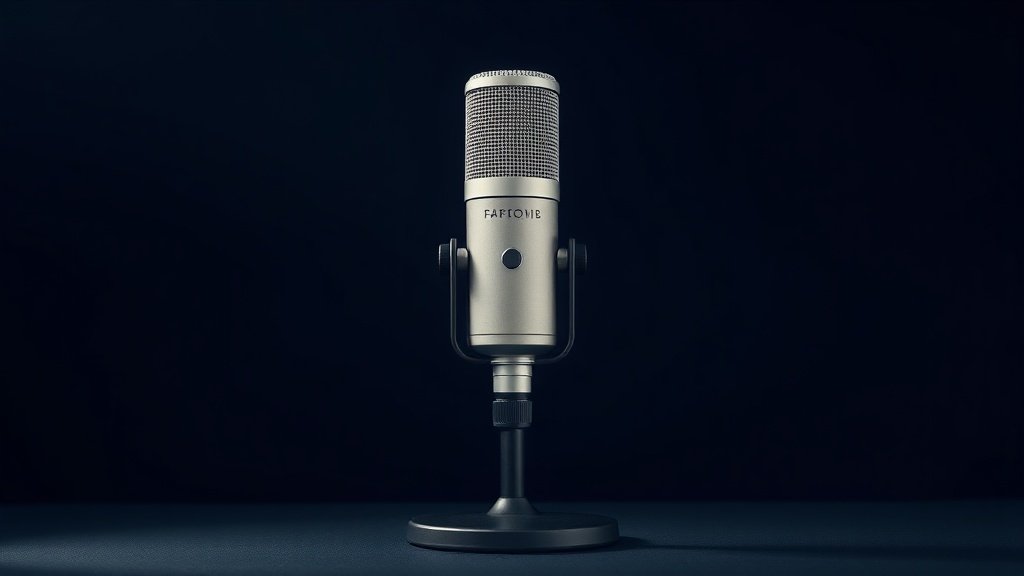
Choosing between the Audio-Technica AT2035 and the Rode NT1 5th Gen is one of the more common dilemmas for anyone setting up a home studio, starting a podcast, or stepping up from a USB microphone for the first time. Both are cardioid condenser microphones aimed squarely at the prosumer market, and both have earned genuine respect from the recording community. The question is not which one is ‘good’ — they both are — but which one suits your specific workflow and priorities.
This comparison looks at the two microphones across the criteria that actually matter at the buying stage: sound character, build quality, what comes in the box, versatility, and overall value. We will be straight with you about where each one excels and where it falls short, so you can make an informed decision rather than guessing.
The AT2035 is a long-established studio workhorse with a loyal following among podcasters, streamers, and home recording enthusiasts. The Rode NT1 5th Gen is a more recent arrival that updates a legendary lineage with modern connectivity options. Read on to find out which belongs on your desk.
Audio-Technica AT2035: the dependable studio workhorse with a proven track record


The Audio-Technica AT2035 is a large-diaphragm cardioid condenser that has been a staple recommendation for years, and for good reason. It captures vocals and instruments with a clean, detailed character and comes with a custom shock mount included in the box — a genuinely useful inclusion that saves you an immediate extra purchase. Its XLR output means it slots neatly into any standard studio or podcasting chain using a compatible audio interface.
Where the AT2035 really earns its reputation is consistency. It handles a wide range of voices and instruments without demanding fussy treatment, and it is often praised for delivering a professional result even in less-than-perfect recording environments. The cardioid polar pattern keeps off-axis noise well controlled, which is a practical advantage in a home studio where room treatment is rarely ideal.
The honest limitation is that the AT2035 is a purely XLR microphone with no additional connectivity options, so it absolutely requires a separate audio interface or mixer. For some buyers that is a non-issue; for others who want more flexibility, it is worth noting before committing.
Rode NT1 5th Gen: the modernised legend with expanded connectivity

The Rode NT1 5th Gen carries the weight of one of the most celebrated microphone names in home recording, and the fifth generation update brings it firmly into the current era. While the classic NT1 was a purely analogue XLR affair, the 5th Gen adds USB-C connectivity alongside the traditional XLR output, meaning it can connect directly to a computer without an audio interface if needed. This dual-output approach makes it a notably versatile option for modern recording setups.
The NT1 5th Gen is built to a high standard and ships with Rode’s own shock mount and pop filter, giving you a more complete out-of-the-box package. Its sound character is often described as open and airy, with a flattering quality on vocals that has always been the hallmark of the NT1 lineage. It suits singers, voice-over artists, and podcasters who want a polished result with relatively little post-production work required.
The main limitation is that the NT1 5th Gen sits at a higher price point than the AT2035, and for buyers who already own a good audio interface and have no need for USB connectivity, some of what makes the upgrade worthwhile may not apply to their situation.
Head-to-head: AT2035 vs NT1 5th Gen
Sound character: Both microphones produce a detailed, professional sound that far exceeds what you would get from a typical USB desktop mic. The AT2035 leans towards a neutral, accurate reproduction that works well across voice and instrument recording alike. The NT1 5th Gen has a slightly more flattering, open quality — particularly on vocals — which many singers and voice-over artists find immediately appealing. Neither is ‘better’ in an absolute sense; it comes down to whether you prefer neutral accuracy or a touch of sonic flattery.
Connectivity and flexibility: This is where the two products diverge most clearly. The AT2035 is XLR only, which keeps the signal chain simple and analogue but locks you into needing an audio interface. The NT1 5th Gen offers both XLR and USB-C, meaning it can work as a standalone microphone plugged directly into a laptop. If you record in multiple locations or want to avoid the cost of an interface at the outset, the NT1 5th Gen has a meaningful practical advantage here.
What is in the box: The AT2035 includes a custom shock mount, which is a thoughtful inclusion. The NT1 5th Gen goes further, bundling both a shock mount and a pop filter — giving you essentially everything you need to record immediately except a stand. On unboxing experience and immediate usability, the NT1 5th Gen edges ahead.
Build quality and design: Both microphones are solidly constructed and feel appropriately robust for studio use. The NT1 5th Gen has a slightly more premium feel in hand, which is consistent with its positioning as the higher-end option. The AT2035 is by no means flimsy — it is a genuinely well-made microphone — but the NT1 5th Gen has a build finish that reflects its price bracket.
Value: The AT2035 is the more affordable of the two, and at its price point it offers excellent value for a dedicated XLR studio microphone. The NT1 5th Gen costs more, but the addition of USB-C connectivity, the more complete accessory bundle, and the heritage of the NT1 name mean that the premium is justified for buyers who will genuinely use those advantages. If you are on a tighter budget and already own or plan to buy an audio interface, the AT2035 offers outstanding value for money.
Frequently asked questions
Which has better sound quality — the AT2035 or the NT1 5th Gen?
Both deliver genuinely professional audio quality that will satisfy most home studio users. The AT2035 is praised for its neutral, accurate sound, while the NT1 5th Gen has a slightly more open and flattering character, especially on vocals. The ‘better’ choice depends on your preference and the type of material you are recording rather than one being objectively superior.
Do I need an audio interface for both microphones?
Yes for the AT2035 — it is XLR only, so an audio interface or mixer is essential. The NT1 5th Gen is more flexible: it can connect via XLR to an interface or directly via USB-C to a computer. If you want to record without an interface, the NT1 5th Gen is your only option of the two.
Which is better for podcasting — the AT2035 or the NT1 5th Gen?
Both are well suited to podcasting. The AT2035 is a reliable, cost-effective choice if you already have or intend to buy an interface. The NT1 5th Gen suits podcasters who want the option to record directly into a laptop via USB-C without additional hardware. For solo podcasters on a budget, the AT2035 represents excellent value; for those wanting more flexibility, the NT1 5th Gen is worth the extra investment.
Is the NT1 5th Gen worth more than the AT2035?
The NT1 5th Gen commands a higher price, and for many buyers that premium is justified by the dual XLR and USB-C connectivity, the more complete accessory bundle, and the updated design. However, if you have no need for USB connectivity and already own a solid audio interface, the AT2035 delivers superb results at a lower outlay — making the NT1 5th Gen’s extra cost less relevant to your specific situation.
Which microphone is better for beginners?
The NT1 5th Gen arguably has the lower barrier to entry thanks to its USB-C option, meaning a complete beginner can connect it directly to a laptop and start recording without buying an interface. The AT2035 requires that extra piece of kit, which adds complexity and cost. That said, once an interface is in the chain, both microphones are straightforward to use and neither demands expert knowledge to get good results.
The verdict
Choose the Audio-Technica AT2035 if you already own an audio interface, are working to a tighter budget, or simply want a proven, no-fuss XLR condenser that reliably delivers professional results for voice, podcast, or instrument recording. It is one of the most dependable microphones at its price point, and its included shock mount means you are ready to go with minimal additional spend.
Choose the Rode NT1 5th Gen if you want maximum flexibility — particularly the ability to record directly via USB-C without an interface — or if you are a vocalist or voice-over artist who values that characteristically open, flattering NT1 sound. The more complete accessory package and the dual connectivity make it the stronger choice for anyone who records in varied environments or wants a single microphone that can serve multiple setups.
Either microphone will serve you well in a home studio context. If your setup and budget align equally with both options, you genuinely cannot go badly wrong with either — the real decision comes down to how you plan to use them and which features matter most to your day-to-day workflow.
For more, browse all our reviews and roundups.
AudioTechExpert is reader-supported. This article contains affiliate links, and we may earn a commission on qualifying purchases at no extra cost to you.