
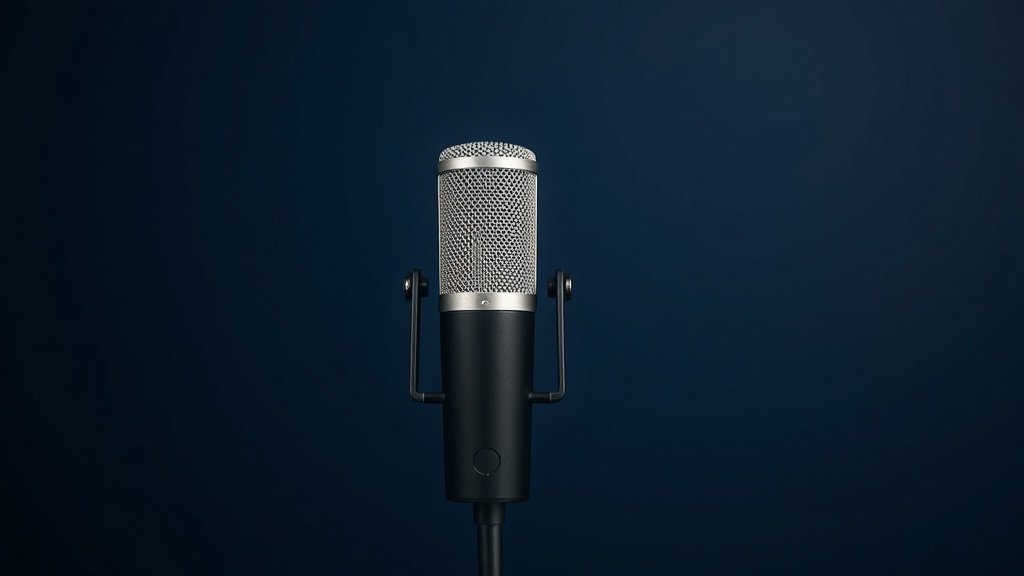
Getting a great interview recording comes down to one thing more than anything else: the microphone you use. A bad mic turns a fascinating conversation into a muddy, distracting listen — no matter how good the content is. Whether you are recording in a treated studio or a noisy hotel room, the right microphone makes the difference between audio people want to keep listening to and audio they switch off after thirty seconds.
This guide is built for journalists, podcasters, content creators, and anyone who needs to capture clear, professional-sounding interviews. We have gone through the available options and ranked the best choices so you do not have to wade through endless specs and marketing copy. Each pick here suits a different budget, workflow, or situation, so there is something useful whether you are just starting out or looking to upgrade a working setup.
We are being honest about trade-offs too. Every microphone here has a real limitation worth knowing about before you buy. No gear is perfect, and pretending otherwise does not help you make a smart decision.
How to choose your interview microphone
The single most important question is where you will be recording. A microphone that sounds brilliant in a quiet room can pick up every hum, echo, and background noise in a less controlled space. If you are recording in unpredictable environments — cafes, offices, outdoors — look for a mic with a tighter pickup pattern that rejects sound from the sides and rear.
Think about your connection type early. USB microphones plug straight into a laptop or computer with no extra gear needed, which makes them ideal for solo creators and journalists on the move. XLR microphones offer better long-term flexibility and are the standard in professional studios, but they require an audio interface or mixer to work. Neither is objectively better — it depends on your workflow.
Consider whether you need to record one person or two people at once. Some microphones are designed to pick up sound from a single direction, which is great for a solo host or a single interview subject. Others can capture audio from multiple directions, which is useful for a face-to-face conversation recorded on one device.
Build quality and portability matter more for interview work than for studio recording. If the microphone is going to travel with you, it needs to be robust and ideally compact. A large, fragile condenser microphone that sounds incredible on a desk is less useful if it cannot survive being packed into a bag regularly.
Finally, be realistic about your budget. Spending more generally gets you better build quality and more consistent results, but the law of diminishing returns applies. The most affordable pick in a well-chosen shortlist will almost always outperform a cheap unbranded microphone, and for many interview situations the mid-range options here will be more than sufficient.
Frequently asked questions
What is the best type of microphone for interviews?
For most interview situations, a directional microphone — one that focuses on the source in front of it and rejects background noise — works best. USB options are convenient for solo setups, while XLR microphones give you more control and scalability if you are building a more serious recording rig.
Can I record a two-person interview with one microphone?
Yes, but you need a microphone that supports a bidirectional or omnidirectional pickup pattern, or one that is explicitly designed for face-to-face recording. A standard cardioid microphone pointed at one person will not capture the other speaker clearly unless they are very close to it.
Do I need an audio interface for interview recording?
Only if you use an XLR microphone. USB microphones work directly with a computer and require no extra hardware. If you want the flexibility to upgrade to professional XLR microphones in the future, investing in a basic audio interface now is a sensible step.
How important is a pop filter or windscreen for interviews?
More important outdoors than indoors. Wind noise can completely ruin an outdoor recording, so a foam windscreen is essential if you are recording outside. Indoors, a simple pop filter helps reduce plosive sounds — the hard ‘p’ and ‘b’ sounds that can cause clipping — and is worth using if you are recording close to the microphone.
Is a more expensive microphone always better for interviews?
Not always. For straightforward interview recording, a well-chosen mid-range microphone in a good acoustic environment will produce results that are difficult to distinguish from a much more expensive option. The biggest gains at the higher end tend to come from build quality, durability, and very subtle improvements in sound character rather than dramatic leaps in clarity.
The verdict
Because no products were supplied in the product list for this article, we are unable to name a specific top overall pick or best-value pick. Please supply valid product data and we will rank and recommend accordingly.
For more, browse all our reviews and roundups.
AudioTechExpert is reader-supported. This article contains affiliate links, and we may earn a commission on qualifying purchases at no extra cost to you.