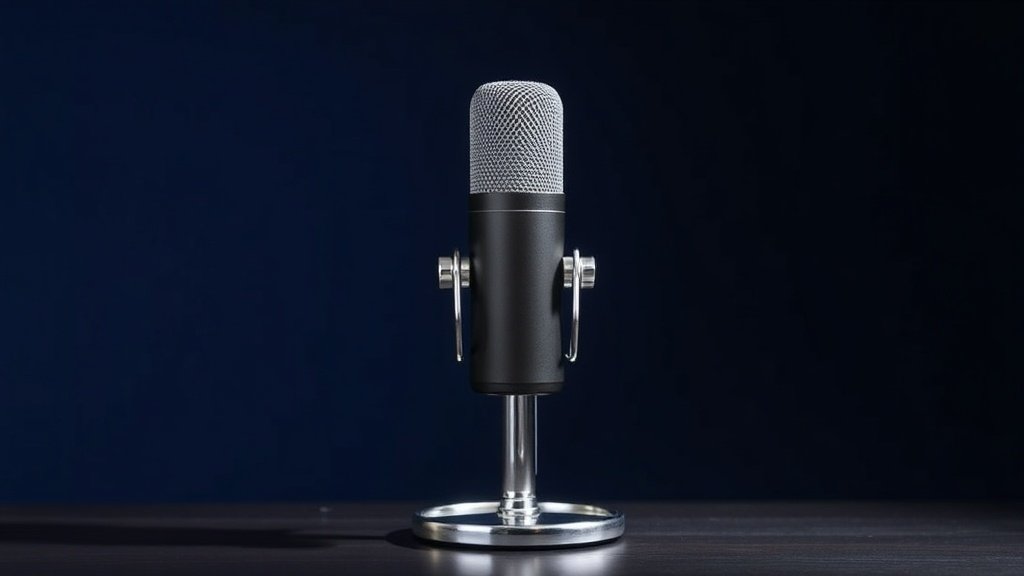
If you are shopping for a dynamic cardioid vocal microphone and you have found yourself torn between the Behringer XM8500 and the Shure SM58, you are not alone. These two mics occupy very different price points, yet they are both aimed squarely at singers, presenters, and performers who need a reliable handheld dynamic mic. The question is not simply ‘which is better overall’ — it is which one makes sense for your situation, your budget, and your expectations.
The Behringer XM8500 comes bundled with a 25-foot XLR cable and is firmly positioned as the entry-level, budget-conscious option. The Shure SM58 is one of the most recognised names in live vocal performance and comes with its own 25-foot XLR cable too. Both are cardioid dynamic mics designed for vocal use, so the core purpose is identical. Where they differ is in heritage, build quality, and the confidence factor that comes with choosing a long-established industry standard versus a capable, affordable challenger.
Quick answer: for most people the Shure SM58 is the safe pick — an industry-standard vocal mic with legendary durability and consistency that holds its resale value. Choose the Behringer XM8500 if you’re on the tightest budget or need affordable backups; it delivers a remarkable amount of the SM58’s sound for around a quarter of the price.
| Feature | Behringer XM8500 | Shure SM58 Our pick |
|---|---|---|
| Price | $69.90 | $129.00 |
| Type | Dynamic (cardioid) | Dynamic (cardioid) |
| Connection | XLR | XLR |
| Polar pattern | Cardioid | Cardioid |
| Frequency response | 50 Hz – 15 kHz | 50 Hz – 15 kHz |
| Built-in pop filter | Yes | Yes (spherical) |
| Build / durability | Good for the price | Legendary — road-tough |
| Phantom power | Not required | Not required |
| Best for | Tightest budgets, backups, beginners | Live vocals, the reliable standard |
| Verdict | The budget champ — most of the SM58 for ~1/4 the price | Our pick: the industry standard, built to last |
| Check price | View on Amazon | View on Amazon |
In this comparison we put both mics up against each other across the criteria that matter most to buyers: build quality, sound character, handling noise, value, and real-world suitability. By the end, you should have a clear sense of which mic belongs on your stand.
Behringer ULTRAVOICE XM8500: the budget-friendly workhorse

The Behringer ULTRAVOICE XM8500 is a dynamic cardioid vocal microphone that Behringer positions as an accessible entry point into stage and rehearsal performance. It comes bundled with a 25-foot XLR cable, which is a genuinely useful addition for anyone setting up a basic PA or home recording rig on a tight budget. The cardioid polar pattern means it focuses on the source directly in front of it and rejects sound from the rear, which is exactly what you want for live vocal use.
The XM8500 is a sensible choice for beginners, students, open-mic regulars, or anyone who needs a spare mic for a rehearsal room or small venue without worrying too much about wear and tear. Its build is functional and the included cable sweetens the deal considerably, meaning you can be up and running straight out of the box.
The honest limitation here is that the XM8500 does not carry the same track record or long-term durability reputation as its rival. For occasional or learning use it is hard to fault at its price, but if you are gigging regularly in demanding environments, you may find yourself thinking about an upgrade sooner than you would with the other option in this comparison.
Shure SM58: the time-tested live performance standard


The Shure SM58 is a professional dynamic cardioid vocal microphone that has been a fixture on stages, in studios, and on broadcast sets for decades. The SM58 also comes bundled in this listing with a 25-foot XLR cable, so like its rival, you have everything needed to plug in and perform. Shure designed the SM58 specifically with live vocal performance in mind, and its reputation for durability and consistent performance is well established among sound engineers and performers worldwide.
The SM58 suits anyone who gigs regularly, records vocals for professional projects, podcasts, streams, or simply wants a microphone they will not need to replace for years. Its cardioid pattern and built-in spherical wind and pop filter make it forgiving in real-world conditions, and the fact that it is compatible with a vast range of PA systems and interfaces makes it a genuinely versatile tool.
The main honest limitation is the price. The SM58 is the pricier of the two options here, and for a complete beginner who is simply exploring singing or public speaking for the first time, that premium may feel hard to justify until you know how seriously you will pursue it.
Head-to-head: Behringer XM8500 vs Shure SM58
Build quality and durability: The Shure SM58 has a well-documented reputation for surviving the rigours of heavy gigging — drops, humidity, years of touring. The Behringer XM8500 is a competently built mic for its price bracket, but it does not carry the same proven long-term durability. If you are buying a mic you intend to use hard for years, the SM58 has a clear edge here.
Sound character: Both mics are dynamic cardioid designs intended for vocals, so they share a broadly similar approach to capturing a voice. The SM58 has a tailored sound that professional engineers have come to know and trust, with a presence boost that helps vocals cut through a live mix. The XM8500 performs creditably for its price but does not have the same depth of professional refinement in its sonic character.
Handling and stage noise: The SM58 benefits from decades of refinement in its internal shock mounting and pop filter design, which helps reduce handling noise and plosives in live conditions. The XM8500 is adequate for rehearsal and casual use, but in demanding live scenarios the SM58 is the more polished performer when it comes to rejecting unwanted noise.
Value and what you get in the box: Both mics in these specific listings come bundled with a 25-foot XLR cable, which is a fair and practical inclusion. The XM8500 wins decisively on affordability — it is the more budget-friendly option by a significant margin. For a first mic, a rehearsal room spare, or a low-stakes application, that price difference is real and meaningful.
Versatility across use cases: The SM58 is explicitly described for live performance, studio recording, podcasting, and streaming. The XM8500 is a vocal mic at heart and will cover basic recording and live use, but the SM58 has a more thoroughly documented range of applications and professional endorsement across those scenarios.
Confidence factor: There is something to be said for picking up a mic that a sound engineer at any venue in the world will recognise and know how to dial in immediately. The SM58 carries that familiarity. The XM8500 does not have that same universal recognition, which is a practical consideration if you are performing at venues where you depend on house engineers.
Frequently asked questions
Which sounds better for live vocals — the Behringer XM8500 or the Shure SM58?
The Shure SM58 has a more refined and well-documented vocal sound that engineers trust in live settings. The Behringer XM8500 performs well for its price bracket, but the SM58 is generally considered the stronger performer for professional live vocal work.
Is the Shure SM58 worth the higher price compared to the Behringer XM8500?
If you are gigging regularly, recording professionally, or simply want a mic that will last for many years of hard use, the SM58 justifies its higher cost. For casual use, beginners, or budget-constrained buyers, the XM8500 delivers solid functionality at a much lower outlay, making it a reasonable starting point.
Which is more durable — the XM8500 or the SM58?
The Shure SM58 has a long-standing reputation for robustness in demanding live environments. The Behringer XM8500 is adequately built for lighter use but cannot match the SM58’s proven track record for durability over years of intensive gigging.
Do both the Behringer XM8500 and the Shure SM58 come with a cable?
Yes — both of these specific product listings include a 25-foot XLR cable in the box, so you are ready to connect to a PA or interface straight away with either option.
Which mic is better for beginners — the XM8500 or the SM58?
The Behringer XM8500 is a lower-risk first purchase for a complete beginner who is unsure how committed they will be to performing or recording. The Shure SM58 is the better long-term investment if you are already serious about your craft, since you are unlikely to feel the need to upgrade from it.
The verdict
Choose the Behringer XM8500 if you are new to performing or recording, working with a tight budget, need a spare mic for a rehearsal space, or simply want to get started without a significant financial commitment. The included cable makes it a genuinely complete, ready-to-use package at an accessible price, and it does its job honestly at the level it is designed for.
Choose the Shure SM58 if you are a regular gigging musician, a serious content creator, a working vocalist, or anyone who wants a microphone they can trust night after night without second-guessing it. The SM58 is the pricier option, but its durability, sonic refinement, and universal professional recognition make it a one-time investment that pays for itself over time.
If your budget stretches comfortably to either option and you are genuinely undecided, the SM58 is the safer long-term choice. But if the price of the more affordable option is what makes the difference between owning a mic this week or not, the XM8500 will serve you well while you build your skills and decide how seriously you want to pursue your craft.
For more, browse all our reviews and roundups.
AudioTechExpert is reader-supported. This article contains affiliate links, and we may earn a commission on qualifying purchases at no extra cost to you.