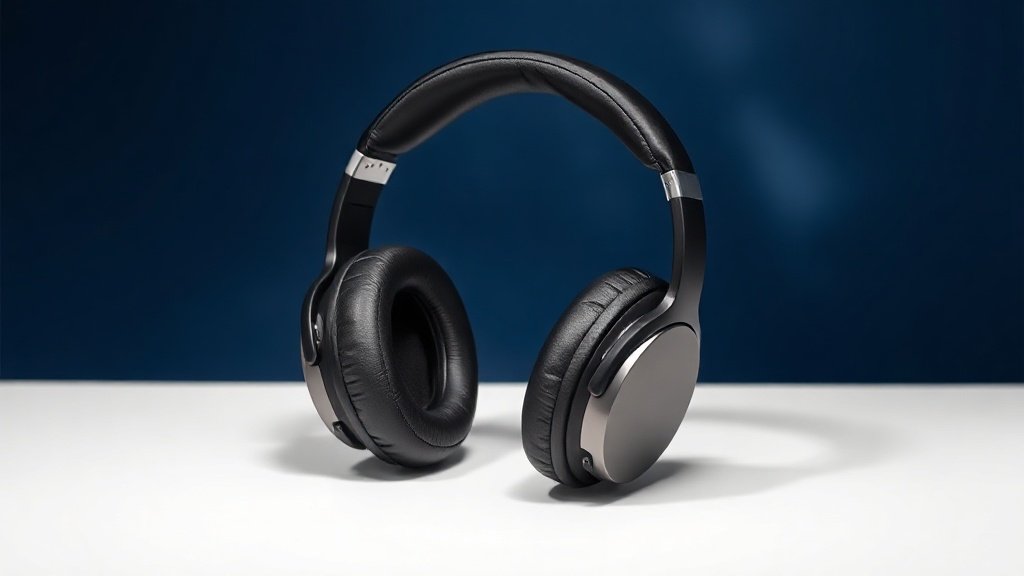
Beyerdynamic has been making headphones in Germany for nearly a century, and their range can feel overwhelming if you are trying to pick just one pair. Should you go closed-back for recording, open-back for mixing, or something built for gaming? The impedance options alone — 48 ohm, 80 ohm, 250 ohm — can stop a purchase dead in its tracks if nobody explains what any of it means for you.
This guide cuts through that noise. We have taken the current Beyerdynamic lineup available on Amazon, filtered out anything that is not a headphone, and ranked every relevant pair by use case. Whether you are tracking vocals at home, mixing a full project, editing a podcast, or gaming late at night, there is a specific pick here for your situation.
We have kept the list tight — only genuine headphones with clear, distinct purposes made it through. Every recommendation below is a pair you can actually buy right now, with honest notes on what each one does well and where it falls short.
Best overall: Beyerdynamic DT 770 Pro X

The Beyerdynamic DT 770 Pro X is the updated, modernised version of one of the most trusted closed-back studio headphones ever made. Sitting at 48 ohm, it is designed to work well straight out of a laptop, audio interface, or phone without needing a dedicated headphone amplifier — a practical choice for home studio workers who do not want extra gear on the desk. It is handmade in Germany, closed-back, and built specifically for professional recording and monitoring use.
The closed-back design is the key strength here. Sound isolation is built in, which means you can use these for tracking — recording vocals or instruments while listening to a backing mix — without the headphone bleed leaking into your microphone. That makes the DT 770 Pro X one of the few headphones on this list that does a genuinely critical job in the recording chain, not just the listening chain.
The limitation to flag is that closed-back headphones naturally create a slightly more coloured, bass-forward sound compared with open-back designs. They are excellent for isolation and monitoring, but if your primary need is critical mix referencing where you want the flattest possible response, an open-back pair may suit you better.
Buy this if: you record at home, need sound isolation for tracking, and want a modern low-impedance Beyerdynamic that works without a headphone amp.
Best for mixing and critical listening: Beyerdynamic DT 990 Pro X

The Beyerdynamic DT 990 Pro X is the open-back counterpart to the DT 770 Pro X above — same modern 48 ohm design, same handmade German construction, but with an open-back architecture that fundamentally changes how it sounds and how you use it. Open-back headphones let air and sound pass through the ear cups, which produces a wider, more natural soundstage. For mixing, editing, and critical listening, that openness is a genuine advantage.
Where the DT 770 Pro X isolates you from the room, the DT 990 Pro X connects you to it. You will hear more spatial depth in a mix, and stereo placement of instruments becomes easier to judge. This is the pair to reach for when you are not recording live sources and you want the most accurate possible picture of what is in your audio. The 48 ohm impedance keeps it accessible without a dedicated amp.
The honest trade-off is that open-back means no sound isolation. People nearby will hear what you are listening to, and ambient noise bleeds in freely. These are not for commuting, open-plan offices, or recording sessions where a microphone is live nearby.
Buy this if: you spend more time mixing, editing, and critically reviewing audio than you do recording live, and you want the most open, spacious sound Beyerdynamic offers at this impedance.
Best value: Beyerdynamic DT 990 Pro 250 Ohm

The Beyerdynamic DT 990 Pro in 250 ohm is the classic, long-running open-back studio headphone that has been a staple on mixing desks and home studio setups for years. It shares the open-back design of the newer Pro X above, delivering that characteristic wide soundstage and airy presentation that open-back lovers chase. The grey velour ear pads and coiled 3-metre cable are signatures of this model, and both are practical — velour breathes better over long sessions, and a coiled cable stays tidy at a desk.
The 250 ohm impedance is worth understanding before you buy. Higher impedance means the headphone needs more voltage to reach good listening levels. A laptop headphone socket may drive these quietly or with some distortion at high volumes. Pairing them with a modest audio interface or headphone amplifier — even an inexpensive one — unlocks everything they are capable of. For anyone who already owns an interface, this is a non-issue.
As a longer-established model at a more accessible price point than the newer Pro X variants, the DT 990 Pro 250 ohm represents strong value for home studio users who already have an interface and want a proven open-back reference headphone without spending more than necessary.
Buy this if: you already own an audio interface or headphone amp, want a proven open-back studio headphone, and would rather save money than pay for the newest version.
Best closed-back for home recording: Beyerdynamic DT 770 Studio

The Beyerdynamic DT 770 Studio is the 80 ohm closed-back sibling in the DT 770 family, built for home recording, podcasting, and studio monitoring. Like the DT 770 Pro X, it is a closed-back over-ear design, meaning it provides passive sound isolation — useful for tracking, recording voiceovers, or monitoring in a live environment. It comes with a straight 3-metre cable, grey velour ear pads, and the same over-ear construction that makes long recording sessions comfortable.
The 80 ohm impedance sits between the more interface-friendly 48 ohm Pro X and the amplifier-hungry 250 ohm variants. Most audio interfaces drive 80 ohm headphones without difficulty, which keeps this a practical choice for home podcasters and bedroom producers who have a basic interface but not a dedicated headphone amplifier.
The limitation compared with the DT 770 Pro X is that it is an older design without the updated driver technology of the Pro X line. For many users that difference is entirely academic, but if you want the most current Beyerdynamic engineering in a closed-back package, the Pro X is the step up.
Buy this if: you need a closed-back monitoring headphone for home recording or podcasting, you have a basic audio interface, and you want to spend a little less than the Pro X commands.
Best gaming headset: Beyerdynamic MMX 300 Pro

The Beyerdynamic MMX 300 Pro is a closed-back wired gaming headset built around the company’s Stellar.45 driver alongside a condenser microphone — a combination that brings serious audio engineering to a gaming context. It is handmade in Germany, compatible with PC, gaming consoles, PlayStation, and Nintendo Switch, and it delivers the kind of sound quality that Beyerdynamic’s professional heritage suggests. For gamers who care about positional audio and want to hear footsteps, environmental detail, and music at a higher standard than most gaming headsets allow, this is the pick.
The condenser microphone is a meaningful upgrade over the dynamic mics found in cheaper gaming headsets. Condenser capsules generally capture voice with more detail and clarity, which benefits both in-game chat and any content creation or streaming done alongside gaming. The closed-back design keeps distracting ambient noise out during play.
The honest limitation is the price point — this sits above budget gaming headsets, and gamers who primarily want wireless freedom will need to look elsewhere, as this is a wired-only headset. But for anyone who values audio fidelity and microphone quality over convenience features, that is a straightforward trade-off to accept.
Buy this if: you are a serious gamer or streamer who wants professional-grade sound and a high-quality condenser microphone in a wired headset made in Germany.
Best open-back gaming headset: Beyerdynamic MMX 330 Pro

The Beyerdynamic MMX 330 Pro is the open-back counterpart to the MMX 300 Pro above. It shares the same Stellar.45 driver and condenser microphone pairing, the same wired multi-platform compatibility — PC, consoles, PlayStation, Switch — and the same handmade German construction. The difference is the open-back ear cup design, which produces a broader, more natural soundstage. In gaming terms, that means positional audio — knowing where sounds are coming from in a game environment — can feel more immersive and precise.
Open-back gaming headsets are a less common choice, but for single-player gaming in a quiet room, the wider sound presentation that open-back architecture delivers can genuinely enhance the experience. The condenser microphone remains a strong point for chat and streaming alike.
As with all open-back designs, the trade-off is clear: no isolation. Ambient noise enters freely, and audio leaks out of the cups. This is not the headset for gaming in a shared living space, a noisy flat, or anywhere you need to contain your audio. It is best suited to dedicated, quiet gaming environments.
Buy this if: you game alone in a quiet room, prioritise a wide, natural soundstage for immersive single-player experiences, and want a high-quality microphone for streaming or chat.
How to choose your Beyerdynamic headphones
Closed-back or open-back? This is the first decision. Closed-back headphones seal the ear cup against your head, which blocks outside noise and prevents sound from leaking out. That makes them essential for recording — if you are singing or playing an instrument while wearing headphones, closed-back stops the backing track bleeding into your microphone. Open-back headphones let air pass through the cups, creating a wider, more natural sound. They are better for mixing and critical listening, but they leak sound and offer no isolation.
Impedance: what does it actually mean? Impedance is measured in ohms and tells you how much power a headphone needs to reach good volume. Lower impedance (48 ohm) pairs work fine from a laptop or phone. Higher impedance (250 ohm) pairs need an audio interface or headphone amplifier to sound their best. If you already own an interface, 250 ohm is no problem. If you do not, choose a lower-impedance option.
Studio headphones versus gaming headsets. The key difference is the microphone. Gaming headsets include a built-in mic, which studio headphones do not. If you only need to listen — for mixing, monitoring, or critical audio work — a studio headphone is the better choice. If you also need to communicate or stream, a gaming headset with a good microphone like the MMX 300 Pro or MMX 330 Pro makes more practical sense.
Wired versus wireless. Every headphone and headset on this list is wired. Wired connections eliminate latency and do not require charging — both significant advantages for studio work and precise audio monitoring. For studio and gaming use where you are seated at a desk, wired is genuinely the better technical choice.
Comfort for long sessions. Beyerdynamic’s velour ear pads are a recurring feature across the range for good reason — velour breathes better than pleather over long periods. If you are wearing headphones for hours of recording or mixing, ear pad material matters more than most spec sheets acknowledge.
Frequently asked questions
Do I need a headphone amplifier to use Beyerdynamic headphones?
It depends on the impedance. The 48 ohm models — like the DT 770 Pro X and DT 990 Pro X — work well from a laptop, phone, or basic interface without any additional amplification. The 80 ohm DT 770 Studio is similarly manageable from most interfaces. The 250 ohm DT 990 Pro benefits noticeably from a dedicated interface or headphone amp to reach its full potential. If you already own an audio interface, it will likely drive all of these adequately.
What is the difference between the DT 770 Pro X and the DT 770 Studio?
Both are closed-back over-ear headphones built for studio use. The DT 770 Pro X is the newer model with updated driver technology at 48 ohm. The DT 770 Studio is an older design at 80 ohm with a straight cable and grey velour pads. The Pro X represents the current generation; the Studio is a proven, more affordable alternative for home recording and podcasting.
Can I use studio headphones for gaming?
Yes, the audio quality of studio headphones like the DT 990 Pro or DT 770 Pro X can be excellent for gaming. The limitation is that they do not include a microphone. If you only need to listen and use a separate microphone for chat, studio headphones are a perfectly valid gaming choice. If you need a combined headset solution, the MMX 300 Pro or MMX 330 Pro are the purpose-built options on this list.
What does ‘handmade in Germany’ mean in practice?
Beyerdynamic manufactures a number of their headphones at their facility in Heilbronn, Germany. ‘Handmade in Germany’ means the headphone is assembled by hand rather than on a fully automated production line. In practice this is associated with consistent quality control and the availability of spare parts and servicing — Beyerdynamic headphones are well known for being repairable, which extends their usable lifespan considerably.
Is open-back or closed-back better for mixing?
Open-back is generally preferred for mixing because the wider, more natural soundstage makes stereo imaging and instrument placement easier to judge accurately. Closed-back headphones can introduce a slightly exaggerated low end due to the sealed cup design. That said, many producers mix on closed-back headphones successfully — it is about knowing your tools and compensating for their character.
The verdict
The Beyerdynamic DT 770 Pro X is our top overall pick: a modern, low-impedance closed-back headphone that works across recording, monitoring, and everyday listening without needing additional gear. For the best value on this list, the Beyerdynamic DT 990 Pro 250 Ohm remains a proven open-back classic that delivers excellent performance for mixing and critical listening when paired with an audio interface you likely already own.
For more, browse all our reviews and roundups.
AudioTechExpert is reader-supported. This article contains affiliate links, and we may earn a commission on qualifying purchases at no extra cost to you.