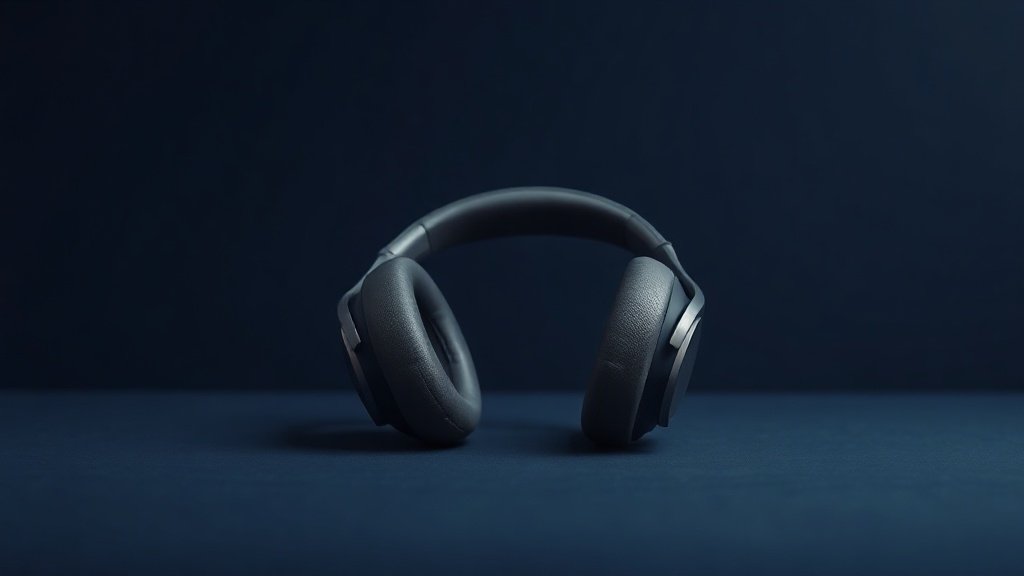
If you record vocals, instruments, or podcasts, you already know the problem: open-back headphones bleed into your microphone, and in-ear monitors never sit quite right for long sessions. Closed-back headphones solve both problems — they seal around your ears, block outside noise from creeping in, and stop your backing track from leaking onto the recording. That matters whether you are tracking vocals in a home studio or monitoring a live session in a professional booth.
This guide cuts through the noise. We have taken a closed list of genuine studio-grade closed-back headphones available right now and ranked the best of them by what actually matters for recording: isolation, accurate sound reproduction, comfort for long sessions, and build quality. We have left out anything that does not belong, kept the duplicates out, and given every pick an honest angle so you can match the right pair to your specific situation.
Whether you are spending as little as possible to get started or you are looking for a reference-grade monitor to sit alongside serious studio gear, there is a pick here for you. These are not ranked by brand loyalty — they are ranked by how well they serve the person sitting behind the microphone.
Best overall: beyerdynamic DT 770 Pro X

The beyerdynamic DT 770 Pro X is the headline act here, and it earns that spot on the strength of its credentials. This is a wired, over-ear, closed-back headphone running at 48 ohm — a sensible impedance for driving from an audio interface without needing a dedicated headphone amplifier. It is built for professional recording and studio monitoring duties, handmade in Germany, and carries beyerdynamic’s long-standing reputation for robust construction and consistent sonic character.
For recording sessions specifically, the DT 770 Pro X delivers strong sound isolation, which is exactly what you need when tracking with a microphone in the room. The ‘Pro X’ branding signals beyerdynamic’s updated take on the classic DT 770 formula, bringing it in line with modern studio expectations. The closed-back design keeps your click track and guide mix from bleeding into your microphone, and the over-ear fit makes longer takes more comfortable than on-ear alternatives.
The honest limitation: at 48 ohm it is more flexible than older high-impedance beyerdynamic models, but it is still a wired-only headphone — there is no wireless option, and a splitter or interface is needed for dual-monitoring use. It is also a premium price point relative to the budget picks on this list.
Buy this if: you want a handmade German studio monitor that will serve professional recording sessions for years without compromise.
Best premium reference: Sony MDR-M1


The Sony MDR-M1 positions itself as a professional reference closed monitor headphone, and the title says exactly what it is: a tool for critical listening and monitoring in professional environments. Sony’s ‘reference’ and ‘monitor’ labels are not thrown around carelessly — this headphone is aimed at engineers and producers who need an accurate picture of what is on tape rather than a flattering or hyped presentation.
For recording use, the closed-back design keeps sound contained, and the ‘professional reference’ positioning suggests a neutral, analytical sound character — the kind of response that lets you trust what you are hearing when setting levels or checking a take for problems. It is a clear step up in ambition from the mid-range picks on this list.
The limitation to be honest about: reference headphones prioritise accuracy over excitement, which means casual listening may feel less immediately enjoyable. These are a professional instrument first.
Buy this if: you are a mixing or tracking engineer who needs a closed reference monitor at the upper end of the price range.
Best value: Audio-Technica ATH-M50X

The Audio-Technica ATH-M50X is one of the most widely used studio headphones in the world, and for good reason. It is a professional-grade, critically acclaimed closed-back monitor with a detachable cable — a genuinely useful practical feature in a studio where cables take punishment. The over-ear, circumaural design seals well around the ear, giving solid passive isolation without requiring active noise cancellation.
For recording sessions, the ATH-M50X strikes the balance that most working musicians and engineers actually need: honest, detailed sound reproduction in a robust and comfortable package that does not require special amplification. The detachable cable means a damaged lead does not write off the whole headphone — you simply swap it out. The closed-back construction keeps bleed to a minimum when tracking.
The limitation: the ATH-M50X has a slight low-frequency emphasis that some engineers find flattering rather than forensically accurate. It is excellent for tracking and general monitoring, but purists chasing the flattest possible reference response may want to audition before committing.
Buy this if: you want a critically acclaimed, battle-tested studio monitor with a detachable cable and broad versatility for tracking and mixing.
Best for tracking vocals: Shure SRH840A

The Shure SRH840A is purpose-built for exactly what the keyword describes. Its title calls out recording, mixing, and monitoring explicitly, and the closed-back circumaural design with a detachable cable makes it a natural fit for a vocal booth or home studio recording rig. Shure’s professional audio heritage is well established, and the SRH840A sits at a sensible mid-to-upper price point for working musicians and home studio owners.
The circumaural — that is, around-the-ear — design creates a proper seal that minimises bleed when a singer is tracking with a guide mix playing. The detachable cable is a practical detail that saves money over the headphone’s lifespan. The SRH840A is designed to give a balanced, accurate sound that helps performers hear themselves clearly without colouring the monitoring signal excessively.
The honest trade-off: the SRH840A is a no-frills, wired-only, studio-first tool. It is not designed with commuting or casual daily listening in mind, and the clamping force needed for a good seal can become noticeable during very long sessions.
Buy this if: you are a vocalist or producer who needs a closed-back monitoring headphone explicitly designed for recording and mixing sessions.
Best budget: AKG K72

The AKG Pro Audio K72 is the most affordable serious option on this list. It is a closed-back, over-ear studio headphone with 40mm drivers, high sensitivity, and high output — all characteristics that make it usable straight out of a laptop or interface without extra amplification. AKG is a professional audio brand with genuine studio pedigree, which means the K72 is not simply a consumer headphone with a studio label slapped on it.
For someone starting out in home recording, or for a studio that needs a reliable cue headphone for performers without spending heavily on every pair, the K72 represents a solid entry point. The closed-back design provides passive sound isolation, and the over-ear fit is comfortable enough for tracking sessions. AKG’s title also notes it works well with portable devices, making it flexible beyond the studio.
The limitation is straightforward: at this price point you are making compromises on build quality and sonic accuracy compared to the premium picks above. The K72 is a capable beginner’s tool, but experienced engineers will likely want to move up the range over time.
Buy this if: you are new to home recording and need a capable closed-back studio headphone at the lowest realistic entry price.
Best for on-the-go monitoring: Sennheiser HD 25 Plus

The Sennheiser HD 25 Plus is an on-ear closed-back monitoring headphone with a heritage rooted in broadcast, DJ, and field recording use. Unlike the bulkier over-ear designs elsewhere on this list, the HD 25 Plus is compact, lightweight, and built for portability without sacrificing the isolation and monitoring accuracy that professionals need. The ‘Plus’ variant of the HD 25 adds extra accessories and ear cup options over the standard model.
For recording use, the HD 25 Plus is particularly well suited to situations where you need to move around — live recording, location sound, broadcast, or sessions where a large over-ear headphone would be impractical. The on-ear closed design still delivers strong passive isolation, and the rugged construction is designed for daily professional use rather than careful studio handling alone.
The honest limitation: on-ear designs do not isolate quite as effectively as a deep over-ear seal, and extended sessions can cause more ear fatigue than a cushioned circumaural design. The HD 25 Plus is an excellent professional tool but is best matched to active or mobile recording contexts rather than long stationary studio tracking sessions.
Buy this if: you need a compact, rugged closed-back monitoring headphone for mobile or broadcast recording rather than a fixed studio setup.
How to choose your closed-back headphones for recording
Impedance and your interface: Impedance — measured in ohms — tells you how much power the headphone needs to reach a useful listening level. Lower-impedance models (around 32 to 80 ohm) work fine directly from an audio interface or laptop headphone output. Higher-impedance models may need a dedicated headphone amplifier to reach adequate volume. Check the ohm rating against what your interface can drive before buying.
Over-ear versus on-ear: Over-ear (circumaural) designs sit around the ear and generally provide better passive isolation and long-session comfort. On-ear (supra-aural) designs like the Sennheiser HD 25 Plus are more compact and portable but can cause ear fatigue over very long sessions. For stationary studio tracking, over-ear is usually the better choice.
Detachable cables: In a studio environment, cables take punishment. A detachable cable — as featured on the ATH-M50X and the Shure SRH840A — means a damaged lead costs a few pounds to replace rather than writing off the whole headphone. It is a genuinely useful feature for working musicians and engineers.
Monitoring versus consumer sound: Professional monitoring headphones aim for a neutral, accurate sound. Consumer headphones often boost bass and treble to sound exciting. For recording, you want neutral — an honest picture of what your microphone is capturing, not a flattering one. If a headphone sounds immediately impressive on pop music, be cautious about using it as a studio reference.
Build quality and longevity: Recording headphones get used hard — dropped, packed, worn for hours. Look for metal or reinforced plastic headbands, replaceable ear pads, and brands with a track record of selling spare parts. Beyerdynamic and Sennheiser are both known for long-term parts availability, which matters if you are investing in a serious studio tool.
Frequently asked questions
Do closed-back headphones really stop bleed into microphones?
Yes, to a meaningful extent. Closed-back headphones use a sealed ear cup that keeps sound contained rather than radiating outwards. At sensible monitoring volumes, a well-sealing closed-back headphone produces very little bleed into a nearby microphone. They are not completely silent — push the volume high enough and a sensitive condenser will still pick up something — but for normal tracking levels, bleed is not a practical problem.
Can I mix on closed-back headphones?
You can, and many engineers do. Reference-grade closed-back headphones like the Sony MDR-M1 or the Shure SRH840A are designed with mixing in mind. The trade-off is that headphone mixes do not translate identically to speaker mixes, partly because speakers create a different stereo image. Many engineers mix primarily on speakers and use headphones to check details — but closed-back headphones are a perfectly valid monitoring tool for mixing, especially in untreated rooms where speakers introduce acoustic problems.
What is the difference between the beyerdynamic DT 770 Pro and the DT 770 Pro X?
Both are closed-back studio monitors from beyerdynamic in the DT 770 line. The DT 770 Pro X is the newer variant, running at 48 ohm and featuring beyerdynamic’s updated driver and cable design. The DT 770 Pro 80 Ohm is the classic, long-established version at a higher impedance. The Pro X is easier to drive from modern interfaces; the classic 80 Ohm version remains a proven workhorse. Both are handmade in Germany and built for professional monitoring use.
Are on-ear headphones suitable for recording studio work?
Yes, with caveats. On-ear designs like the Sennheiser HD 25 Plus have a long history in professional audio — broadcast engineers and live sound operators use them routinely. They are more portable and lighter than over-ear alternatives. The trade-offs are slightly less passive isolation and potentially more ear fatigue during very long sessions. For fixed studio tracking, over-ear is generally more comfortable; for mobile or broadcast recording, on-ear is often the practical choice.
Do I need a headphone amplifier for studio monitoring headphones?
It depends on the impedance of the headphone and the output capability of your interface. Most modern audio interfaces drive headphones up to around 80 ohm without issue. The beyerdynamic DT 770 Pro X at 48 ohm and the AKG K72 are both designed to work well from interface outputs directly. If you have a very high-impedance headphone or a weak interface output, a dedicated headphone amplifier will give you more headroom and cleaner sound at higher volumes.
The verdict
The beyerdynamic DT 770 Pro X is our top overall pick — handmade German construction, a sensible 48 ohm impedance, and a genuine professional monitoring pedigree make it the most well-rounded closed-back recording headphone on this list. For the best value, the Audio-Technica ATH-M50X earns its reputation as a critically acclaimed workhorse: a detachable cable, closed-back isolation, and professional-grade monitoring in a package that suits the widest range of budgets and use cases.
For more, browse all our reviews and roundups.
AudioTechExpert is reader-supported. This article contains affiliate links, and we may earn a commission on qualifying purchases at no extra cost to you.