Your DSLR camera can shoot stunning footage, but the built-in microphone is almost always the weakest link. It picks up camera noise, handling rumble, and every sound except the one you actually want — your subject’s voice. If you have ever watched your footage back and winced at the audio, you already know this problem intimately.
This guide cuts through the noise (literally) and ranks the best on-camera microphones you can buy for a DSLR right now. Whether you are shooting YouTube vlogs, documentary interviews, short films, or social content, there is a pick here that suits your workflow and budget. We have focused on shotgun-style microphones that mount directly to your camera’s hot shoe and connect via the 3.5mm jack or XLR — the two most common setups for DSLR shooters.
We assessed each product on build quality, connection type, compatibility with popular DSLR brands, and real-world usability. Two products made the final cut from the supplied pool with enough title information to describe accurately. Here is what we found.
Best overall: COMICA CVM-V30 PRO

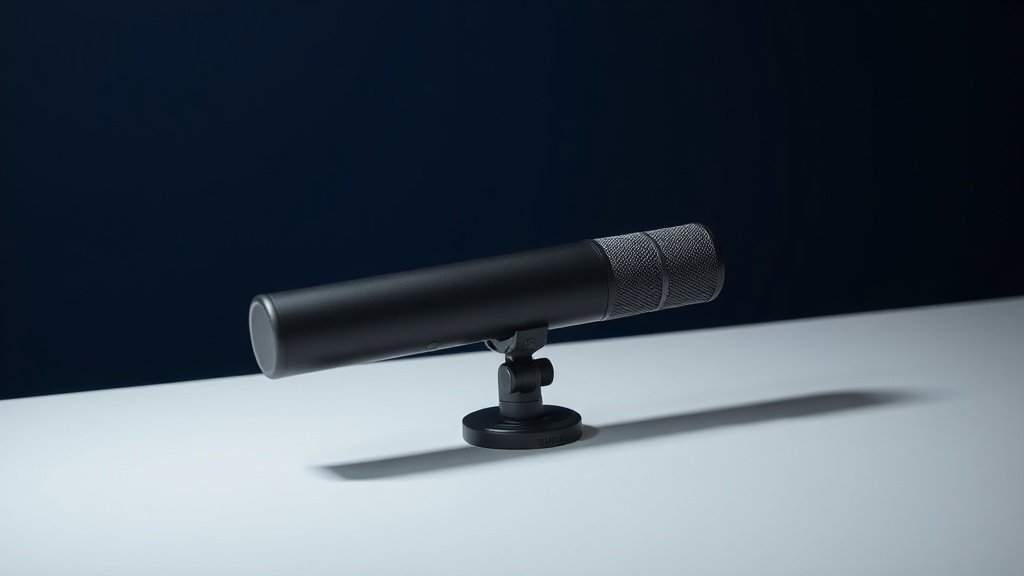
The COMICA CVM-V30 PRO is a compact shotgun microphone designed to plug directly into your camera’s 3.5mm port — no additional adapters, recorders, or battery packs required for most setups. That plug-and-play simplicity makes it an excellent starting point for anyone upgrading from their DSLR’s built-in microphone for the first time. COMICA explicitly lists compatibility with Canon, Nikon, Sony, Panasonic, Fuji, and Olympus bodies, so it will slot straight into the vast majority of DSLR and mirrorless rigs without fuss.
The CVM-V30 PRO is aimed squarely at vloggers, YouTubers, and social-media creators who need noticeably better audio without overhauling their entire kit. Its shotgun design focuses on sound directly in front of the camera while rejecting noise from the sides, which is exactly what you need when presenting to camera or conducting a handheld interview. The RED colour finish is a distinctive touch if you want your rig to look as deliberate as it sounds.
The honest limitation here is that a 3.5mm-connected on-camera shotgun mic has a ceiling — for professional broadcast or film work, you will eventually want to move to XLR. But for the YouTube-to-documentary beginner crowd, the CVM-V30 PRO hits a genuinely useful sweet spot between ease of use and audio quality improvement.
Buy this if: You want a straightforward plug-in upgrade for YouTube, vlogging, or Facebook video without touching your existing camera setup.
Best premium: Sennheiser MKE 600

The Sennheiser MKE 600 is a professional-grade shotgun microphone that represents a serious commitment to audio quality. Sennheiser is one of the most respected names in the microphone world, and the MKE 600 is the model they built specifically for video production — making it a natural fit for DSLR shooters who want broadcast-quality results. This bundle pairs the MKE 600 with an Auray universal shock mount and windshield, so you get the essentials for clean location audio straight out of the box.
The XLR connection means you will need either an audio interface, a mixer, or a portable recorder like a Zoom H-series unit to use it with your DSLR — it does not plug directly into a camera’s 3.5mm jack without an adapter or intermediate device. For run-and-gun documentary work or professional video production, that is standard practice, and the audio you get in return is a clear step up from any consumer 3.5mm option. The included shock mount isolates the mic from handling noise and vibration, and the windshield tackles outdoor wind interference.
This is not the pick for a casual vlogger — the XLR requirement adds cost and complexity to your rig. But if you are producing corporate videos, documentary content, or anything where clients or commissioners will scrutinise the audio, the MKE 600 delivers the kind of results that justify its position as the premium choice in this list.
Buy this if: You are a serious video producer or documentary filmmaker who already uses (or plans to use) a portable audio recorder with your DSLR.
How to choose your DSLR microphone
3.5mm vs XLR: Most DSLR cameras have a 3.5mm microphone input. A mic like the COMICA CVM-V30 PRO connects directly — simple and portable. An XLR microphone like the Sennheiser MKE 600 delivers higher-quality analogue signal with less interference, but requires a recorder or interface as an intermediary. Choose based on how professional your workflow needs to be.
Shotgun vs other types: For on-camera use, a shotgun microphone is almost always the right call. It has a narrow pickup pattern that focuses on what is in front of the lens and rejects room noise and camera handling sounds from the sides and rear. Omni or cardioid condensers are better suited to studio recording.
On-camera mounting: Look for a microphone that fits your camera’s hot shoe or cold shoe. Most compact shotguns — including the COMICA CVM-V30 PRO — are designed for this. Larger professional mics like the MKE 600 typically use a separate boom pole or cage mount when paired with a recorder.
Compatibility: Check that the microphone lists your specific camera brand. The COMICA CVM-V30 PRO explicitly covers Canon, Nikon, Sony, Panasonic, Fuji, and Olympus. The MKE 600 with XLR is universally compatible through an intermediary device.
Your use case: A vlogger filming themselves walking around a city has very different needs from a videographer shooting a corporate interview in a controlled environment. The simpler your setup needs to be, the more the 3.5mm direct-connect option makes sense. The more you prioritise audio quality above convenience, the more the XLR route pays off.
Frequently asked questions
Do I need a separate audio recorder to use a shotgun microphone with my DSLR?
It depends on the mic. A 3.5mm shotgun mic like the COMICA CVM-V30 PRO plugs directly into your camera’s microphone input — no recorder needed. An XLR mic like the Sennheiser MKE 600 requires a portable recorder or audio interface to connect to your DSLR.
What is a shotgun microphone and why is it right for DSLR video?
A shotgun microphone has a narrow, forward-focused pickup pattern. It captures sound from directly in front of it while rejecting noise from the sides and rear. This makes it ideal for on-camera use — it picks up your subject without capturing excessive room noise or camera handling sounds.
Will these microphones work with my Canon, Nikon, or Sony camera?
The COMICA CVM-V30 PRO explicitly lists Canon, Nikon, Sony, Panasonic, Fuji, and Olympus in its compatibility. The Sennheiser MKE 600 uses XLR and works with any camera via a compatible recorder, making it universally adaptable.
Is a shock mount necessary?
A shock mount isolates the microphone from vibrations — camera handling bumps, footsteps, and mechanical noise. For handheld or run-and-gun shooting it makes a noticeable difference. The Sennheiser MKE 600 bundle includes one; for direct-mount mics like the COMICA, handling noise is less of a concern at that form factor.
What is the difference between a windshield and a ‘dead cat’?
A windshield is typically a foam cover that reduces light wind and breath noise. A ‘dead cat’ is the fluffy furry cover you often see on film sets — it handles stronger outdoor wind. For indoor vlogging, foam is usually sufficient. For outdoor shooting, a furry windshield is worth adding.
The verdict
For most DSLR shooters upgrading their audio for the first time, the COMICA CVM-V30 PRO is the top overall pick — it is straightforward, widely compatible, and delivers a clear improvement over built-in camera audio without complicating your rig. If you are ready to invest in professional-grade results and do not mind routing audio through a recorder, the Sennheiser MKE 600 is the premium choice and the best-value option for serious video work where audio quality is non-negotiable.
For more, browse all our reviews and roundups.
AudioTechExpert is reader-supported. This article contains affiliate links, and we may earn a commission on qualifying purchases at no extra cost to you.