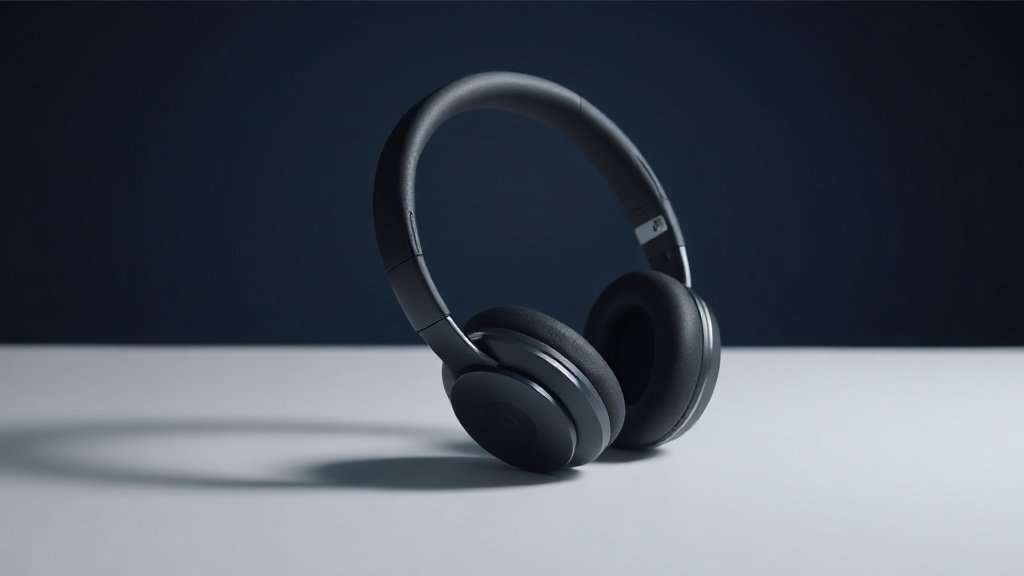
On-ear headphones sit in a sweet spot that over-ear cans and earbuds both miss. They are light enough to wear for hours, compact enough to fold into a bag, and still large enough to deliver real, room-filling sound. The problem is the market is absolutely flooded with options, and the gap between a genuinely great pair and a disappointing one is not obvious from a product page alone.
This guide cuts through the noise. We have taken the strongest contenders available right now and ranked them by overall quality, value, and the specific needs they serve best — whether that is marathon commutes, budget-conscious first-time buyers, or travellers who need serious noise cancellation. Every pick here is available on Amazon today.
Whether you are upgrading from wired buds or replacing a tired old pair, there is something on this list for you. Read the full rundown or jump straight to your use case below.
Best overall: Marshall Major V


The Marshall Major V is the headline pick here, and it earns that spot decisively. Marshall has been refining this design for years, and the Major V represents the most polished version yet. It is a wireless on-ear Bluetooth headphone with a detachable audio cable, which means you are never stuck silent when the battery dips — a genuine rarity at this level.
That battery situation deserves a moment. The Major V is rated at over 100 hours of wireless playtime, which is among the most generous figures you will find anywhere in this category. For commuters and travellers, that translates to roughly two full weeks of daily use before you need to think about charging. The lightweight, foldable build makes it easy to stash in a jacket pocket or daypack.
It also includes a built-in microphone for calls, so it works as a daily communication tool, not just a music device. The iconic Marshall aesthetic — the classic black finish, the signature styling — means it looks as good as it sounds without screaming ‘tech gadget’.
The honest limitation: on-ear designs apply pressure to the ear rather than surrounding it, and over very long sessions some listeners find that uncomfortable. If you have particularly sensitive ears, factor in a few minutes of adjustment time early on. Buy this if: you want an iconic, long-lasting wireless on-ear headphone with serious battery stamina and the flexibility of a detachable cable.
Best noise cancellation: JBL Tune 670NC

The JBL Tune 670NC is the pick for anyone whose daily environment involves tube stations, open-plan offices, or noisy flights. It offers adaptive noise cancelling alongside a Smart Ambient mode, meaning you can dial in exactly how much of the world you want to hear — block everything out, or let just enough in to stay aware of your surroundings.
Battery life is quoted at up to 70 hours, and the Speed Charge feature means a short top-up delivers a meaningful amount of playback quickly — useful when you forget to charge overnight. The design is lightweight, comfortable, and foldable, which all matter when you are carrying headphones every day.
JBL is a brand with genuine credibility in consumer audio, and the Tune 670NC sits comfortably in their mid-range lineup, offering features you would expect to pay considerably more for in a previous generation. The white colourway on offer here also gives it a clean, understated look that works in professional settings.
The trade-off: it does not carry the premium cachet of some higher-end brands, and the sound profile leans towards JBL’s bass-forward signature, which not everyone loves for classical or acoustic material. Buy this if: you need reliable adaptive noise cancellation and generous battery life at a price that does not sting.
Best premium feel: Beats Solo 4

The Beats Solo 4 is the premium-feeling option on this list — ultra-lightweight, wireless, and built with a balanced sound signature that marks a real shift from the bass-heavy reputation older Beats models carried. It works seamlessly with both Apple and Android devices, which is worth noting because many ‘Apple-adjacent’ headphones quietly shortchange Android users on features.
With up to 50 hours of battery life on board, the Solo 4 covers most people’s needs comfortably across a full working week. The matte black finish here looks sharp and avoids the fingerprint-magnet problem of glossy surfaces. It is the kind of headphone you can wear in a meeting or on a plane without looking like you raided a gaming setup.
Beats has put real effort into making the Solo 4 sound grown-up — ‘powerful and balanced’ is how they describe it, and the on-ear format keeps weight low while still delivering an engaging listen. These are headphones you can wear all day without your ears screaming by mid-afternoon.
The limitation worth naming: there is no active noise cancellation on the Solo 4. If you are in genuinely noisy environments, the passive isolation of the ear cups may not be enough. Buy this if: you want a sleek, cross-platform wireless headphone with a balanced sound and genuinely comfortable long-wear ergonomics, and you can live without ANC.
Best value: Sony WH-CH520
The Sony WH-CH520 is the most affordable pick on this list, and it punches well above what the price tag suggests. Sony’s reputation for audio engineering means even their entry-level offerings tend to sound more considered than the competition at the same price point. This is a Bluetooth on-ear headset with a built-in microphone and up to 50 hours of battery life — impressive numbers for a headphone at this level.
Quick charging is included, which means if you do run low, a short cable session gets you back in business fast. The on-ear design keeps things light and packable. Sony has clearly made sensible compromises — there is no active noise cancellation here — but for the price, you are getting a reliable, decent-sounding wireless headphone that simply gets the job done.
For students, first-time wireless headphone buyers, or anyone who wants a capable spare pair without significant outlay, the WH-CH520 is the easiest recommendation on this list to make. The blue colourway available here also gives it a bit of personality without going overboard.
The limitation is straightforward: no ANC and a more basic feature set compared to the mid-range picks above. If you need noise cancellation or the finest audio refinement, spend more. Buy this if: you want a dependable Sony wireless headphone at the most accessible price on this list, with solid battery life and quick charging included.
Best for commuters: JBL Live 670NC
The JBL Live 670NC is purpose-built for the daily commute. It combines adaptive noise cancelling with Smart Ambient — the same technology found in the Tune 670NC — but sits in JBL’s ‘Live’ tier, which typically signals a slightly more refined overall package. The foldable, lightweight build is specifically designed for people who move around a lot and need headphones that travel well.
Up to 65 hours of battery life with Speed Charge means the Live 670NC will outlast a long-haul flight, a full work week, or pretty much any marathon listening session you throw at it. The sandstone colourway is an understated choice that does not show every mark or scuff — practical for daily bag life.
The Smart Ambient feature is the standout for commuters specifically: being able to hear platform announcements or a colleague without removing the headphones is genuinely useful in a way that sounds minor until you use it every day.
The honest caveat: the JBL sound signature will not satisfy everyone, and on-ear designs can feel snug during very long sessions. If your commute is short, the extra battery capacity over cheaper alternatives may not be worth the step up in price. Buy this if: you are a daily commuter who needs adaptive noise cancellation, long battery life, and a headphone that travels without fuss.
Best for audio enthusiasts on a budget: JBL Live 680NC
The JBL Live 680NC is the most feature-rich JBL on this list, and it is aimed at listeners who want more than just wireless convenience. It offers true adaptive noise cancellation, Hi-Res Audio certification, and JBL’s Personi-Fi 3.0 personalised sound technology — a system that lets you tune the audio profile to your own hearing preferences via the app. For anyone who cares about how music actually sounds, that last feature is a meaningful differentiator.
Call quality also gets serious attention here. The 2-mic Perfect Calls 2.0 system uses an AI-trained algorithm to clean up your voice on calls — useful if you work remotely or take a lot of calls in noisy settings. The champagne colourway gives it a premium look that stands out from the sea of black and white headphones on the market.
This is the pick for the listener who has outgrown entry-level audio but does not want to spend flagship money. Hi-Res Audio support in particular signals that JBL has built this headphone to handle high-quality audio sources properly, not just compress and deliver whatever the Bluetooth connection sends.
The trade-off: it is the most expensive JBL on this list, and it is still an on-ear design — so over very long sessions, comfort remains the same caveat as any on-ear headphone. Buy this if: you want the most fully-featured on-ear headphone from JBL, with Hi-Res Audio, adaptive ANC, and personalised sound tuning.
How to choose your on-ear headphones
Active noise cancellation — do you actually need it? ANC is genuinely useful on trains, planes, and in open offices. But it adds cost and can slightly alter the sound signature. If you mainly listen at home or in quiet spaces, a non-ANC headphone often sounds more natural and costs less. If your environment is noisy, ANC is worth every penny.
Battery life and charging speed. Most wireless on-ear headphones now offer 40 hours or more, which covers most people’s weekly needs on a single charge. Where the picks differ is in Speed Charge or quick-charge features — the ability to get an hour or more of playback from a short charge. If you are disorganised about charging (most of us are), prioritise this.
On-ear versus over-ear comfort. On-ear cups rest on the ear rather than surrounding it. They are lighter and more packable, but some people find them less comfortable over very long sessions, particularly if you wear glasses. Try to get a feel for the clamping force if possible — a looser headband is better for extended wear.
Sound signature. Most consumer headphones emphasise bass to some degree — it sounds impressive on first listen. If you prefer a flatter, more accurate sound for classical, jazz, or podcasts, look for headphones that describe their sound as ‘balanced’ rather than ‘powerful’ or ‘deep bass’. The Beats Solo 4 and JBL Live 680NC are the picks here that lean towards a more balanced presentation.
Wired fallback. The Marshall Major V is the only pick here with a detachable audio cable, meaning you can still use it when the battery runs out. If you fly often or use headphones with in-flight entertainment systems, that wired option is more useful than it sounds.
Frequently asked questions
Are on-ear headphones as good as over-ear for sound quality?
They can be, yes. The driver size and tuning matter far more than whether the cup sits on or around the ear. On-ear headphones tend to be lighter and more portable, which is their main advantage. Over-ear designs often provide better passive isolation and can be more comfortable for very long sessions, but on-ear headphones from reputable brands like JBL, Sony, Marshall, and Beats can sound excellent.
Is active noise cancellation worth it on on-ear headphones?
It depends on your environment. ANC on on-ear headphones works well for steady background noise like engines and air conditioning. Because the ear cups do not fully seal around the ear, you will not get quite the same level of isolation as a good over-ear ANC headphone — but for commuting and office use, the difference is smaller than most people expect.
How many hours of battery life do I actually need?
For most people, 40 to 50 hours covers a full working week with room to spare. If you travel internationally or forget to charge regularly, aim for 60-plus hours. The Marshall Major V’s 100-plus hour rating is genuinely exceptional and means you might only charge it twice a month under normal use.
Can I use wireless on-ear headphones for video calls?
Yes, and most of the picks here include built-in microphones designed for calls. The JBL Live 680NC goes furthest with a multi-mic AI-trained call system. For casual calls any pick here will work; for all-day remote work, choose one with a dedicated call-quality feature.
Do on-ear headphones work with both iPhone and Android?
All the wireless picks here use standard Bluetooth and work with both platforms. The Beats Solo 4 specifically calls out Apple and Android compatibility. Where differences exist, they are usually in the companion app — some features may require the brand’s own app, which varies in quality across platforms.
The verdict
The Marshall Major V is the best overall pick on this list — exceptional battery stamina, a wired fallback via detachable cable, and a design that has stood the test of time make it the one to buy if you can only pick one. For the best value, the Sony WH-CH520 delivers reliable wireless performance with quick charging at the most accessible price here, making it the smart choice for budget-conscious shoppers who still want a trustworthy name behind their headphones.
For more, browse all our reviews and roundups.
AudioTechExpert is reader-supported. This article contains affiliate links, and we may earn a commission on qualifying purchases at no extra cost to you.