
Planar magnetic headphones sound unlike anything a standard dynamic driver can produce. The technology spreads sound across a thin, flat diaphragm rather than pushing a cone, which means you get a more even, controlled presentation — less boom and honk, more texture and detail. The trade-off is that they are typically harder to drive and more expensive than their dynamic counterparts, but the gap has closed dramatically in recent years.
This guide cuts through the noise for anyone who has decided a planar magnetic headphone is the right tool for their listening or studio setup. Whether you are an entry-level buyer looking for your first taste of the technology, a seasoned audiophile hunting a flagship experience, or a gamer who wants spatial detail without sacrificing sound quality, there is something on this list for you.
Every pick below is a genuine planar magnetic headphone available on Amazon right now. We have dropped anything that did not belong — wireless headphones with no planar drivers, standard dynamic designs, and accessories — and ranked what remains from best overall to most specialised. Here is what we kept and why.
Best overall: HIFIMAN Arya Organic

The HIFIMAN Arya Organic is a full-size, over-ear, open-back planar magnetic headphone built around HIFIMAN’s Stealth Magnet technology. The ‘Organic’ designation marks a distinct tuning revision aimed squarely at audiophiles and home listeners who want a more natural, lifelike tonal character than earlier Arya versions offered. It sits at the top of HIFIMAN’s mid-tier range and competes comfortably with flagships from other brands.
What makes the Arya Organic stand out is the combination of the Stealth Magnet design — which reduces acoustic interference from the magnet structures — and a tuning that prioritises a coherent, musical presentation over analytical brightness. Open-back construction gives the soundstage plenty of room to breathe, making it an excellent choice for long critical listening sessions at home or in a quiet studio environment.
The limitation is straightforward: open-back means sound leaks in both directions, so this is not a headphone for shared spaces or commuting. It will also benefit from a capable DAC or amplifier to perform at its best, which adds to the total cost of ownership.
Buy this if: You want the most refined, musical planar magnetic experience on this list and have a quiet listening space to use it in.
Best value: HIFIMAN SUNDARA

The HIFIMAN SUNDARA is the entry point into HIFIMAN’s full-size over-ear planar magnetic range, and it has become one of the most recommended headphones in the HiFi community for good reason. It is a wired, open-back design intended for studio use and serious home listening, and it delivers a level of technical performance that would have cost considerably more just a few years ago.
As the most accessible full-size planar on this list, the SUNDARA offers an easy way to experience what planar magnetic technology actually sounds like without committing to flagship-tier pricing. The open-back design provides a natural, airy presentation, and the full-size earcups are comfortable for extended sessions. It pairs well with a modest desktop DAC or amplifier, and many users find it drives adequately from better smartphone output jacks in a pinch.
The honest limitation here is that the SUNDARA is not the last word in any single attribute — there are headphones on this list that best it in resolution, bass weight, or soundstage scale. But as a package that covers all the bases at its price point, it is hard to fault.
Buy this if: You want a well-rounded, full-size planar magnetic headphone that represents genuine value without cutting obvious corners.
Best mid-range: HIFIMAN Edition XS
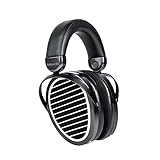
The HIFIMAN Edition XS sits between the SUNDARA and the Arya in HIFIMAN’s lineup. It is a full-size, over-ear, open-back planar magnetic headphone that carries the Stealth Magnet design — the same technology found in the pricier Arya — at a more accessible price. The detachable cable and adjustable headband make it practical for daily home use.
The Edition XS is the pick for buyers who want the Stealth Magnet advantage without stretching to Arya-level spending. The reduction in acoustic wave diffraction that Stealth Magnets provide translates to a cleaner, less cluttered sound that experienced listeners tend to notice immediately. It is an open-back headphone designed for quiet environments — home listening, studio reference work, or focused critical listening sessions.
The limitation is the same as all open-back designs in this list: zero isolation and significant sound leakage. It also benefits from dedicated amplification, so factor that into your budget.
Buy this if: You want HIFIMAN’s Stealth Magnet technology in a full-size open-back headphone but cannot stretch to the Arya Organic’s price.
Best budget planar: Fosi Audio i5

The Fosi Audio i5 is an open-back planar magnetic headphone built around an impressively large 97mm diaphragm, with a chassis that combines CNC-machined metal and walnut wood — materials you would expect at a considerably higher price point. Fosi Audio is better known for compact desktop amplifiers, so the i5 represents the brand’s serious attempt to bring audiophile-grade construction to a more affordable headphone.
The 97mm ultra-large diaphragm is the headline feature: a bigger diaphragm moves more air, which tends to translate to better low-frequency authority and a more expansive presentation. The walnut wood and CNC metal construction gives it a premium feel that makes it look expensive on a desk, which matters to buyers who want the full aesthetic package alongside the performance. It is compatible with a wide range of sources, from dedicated desktop setups to portable devices.
As the most affordable full-size planar on this list, the Fosi Audio i5 is unlikely to match the refinement of the HIFIMAN models at the top of the rankings — the tuning and driver matching may not reach the same level of polish. That is the expected trade-off at this end of the market.
Buy this if: You want to experience open-back planar magnetic sound with premium-looking construction without spending mid-range money.
Best gaming planar: ASUS ROG Kithara


The ASUS ROG Kithara is a rare thing: a gaming headset built on genuine planar magnetic drivers. ASUS partnered with HIFIMAN to produce ROG-tuned HIFIMAN planar magnetic drivers, which means the Kithara is not using a generic dynamic driver dressed up in gaming aesthetics — it is the real technology, voiced specifically for gaming and multimedia use. It includes a microphone, an adjustable headband, extra ear pads, and broad compatibility spanning DACs, amplifiers, PC, console, and mobile devices.
For gamers who have heard what planar magnetic headphones do to spatial detail and transient precision, the Kithara is a direct answer to the question of why gaming headsets sound so flat by comparison. The open-back design helps with soundstage and positional audio, which is genuinely useful in competitive gaming as well as in immersive single-player titles. The inclusion of a microphone and compatibility with consoles makes it immediately usable without additional purchases.
The open-back design means those around you will hear your audio, and vice versa — not ideal in a noisy room or shared space. It is also a wired headphone, so cable management is part of the deal.
Buy this if: You are a gamer or multimedia user who wants genuine planar magnetic driver quality with a microphone and broad device compatibility built in.
Best planar IEM: Letshuoer S12

The Letshuoer S12 brings planar magnetic technology into an in-ear monitor form factor, which is a fundamentally different proposition from every other product on this list. At its heart is a 14.8mm planar magnetic driver — large for an IEM — and it connects via a 4.4mm balanced connector, signalling that it is aimed at listeners who already have a balanced-capable source or portable DAC/amplifier. It is wired and compatible with smartphones, PC, and tablets.
The S12 is for buyers who want the planar magnetic sound character — tight bass, detailed midrange, controlled treble — in a portable, isolating package they can take out of the house. IEMs with planar drivers have a distinct sound compared to full-size planars; the staging is more intimate but the technical performance can be remarkable for the size. The 4.4mm balanced connection is a genuine advantage for those with compatible gear, delivering lower noise and better channel separation.
The limitation is the 4.4mm connector: if your source only has a 3.5mm output, you will need an adapter or a different cable, which adds friction. Planar IEMs also tend to be more sensitive to source quality than standard dynamic IEMs, so a mediocre source will hold the S12 back.
Buy this if: You want planar magnetic sound in a portable, isolating in-ear format and already own a balanced-capable source or DAC/amplifier.
How to choose your planar magnetic headphone
Open-back or in-ear? The majority of planar magnetic headphones are full-size open-back designs, which is ideal for home and studio listening but impractical anywhere with background noise or other people nearby. The Letshuoer S12 is the sole in-ear option here, and it trades the open, airy soundstage of a full-size headphone for portability and passive isolation. Decide which environment you are buying for before anything else.
Amplification requirements. Planar magnetic headphones are typically harder to drive than standard dynamic headphones. Entry-level picks like the SUNDARA and Fosi Audio i5 are more forgiving of modest sources, but all the HIFIMAN models will scale noticeably with a better DAC and amplifier. Budget for at least a basic desktop DAC/amp if you do not already own one — plugging these directly into a laptop headphone jack will leave a lot of performance on the table.
Price tiers and what changes. Moving up the price ladder in planar magnetic headphones brings genuine, audible improvements: better diaphragm materials, more precise magnet arrays, lower distortion, and more refined tuning. The SUNDARA and Fosi Audio i5 represent the accessible tier, the Edition XS sits in the middle, and the Arya Organic is the premium choice on this list. The jump between tiers is real, but so is the law of diminishing returns at the top end.
Gaming versus listening. The ROG Kithara is the only pick here designed with gaming in mind, and its inclusion of a microphone and console compatibility makes it a sensible all-in-one solution. Pure audiophile headphones like the Arya Organic or Edition XS can absolutely be used for gaming, but you will need a separate microphone solution and they are not tuned with gaming positional cues in mind.
Build quality and comfort. Full-size planar magnetic headphones are almost universally heavier than similarly priced dynamic headphones because of the magnet structures required. Longer listening sessions are where comfort matters most — check that the headphone you choose has an adjustable headband and replaceable ear pads. The ROG Kithara includes extra ear pads in the box; HIFIMAN models are known for comfortable extended wear despite their weight.
Frequently asked questions
Are planar magnetic headphones better than dynamic headphones?
Not universally better — differently skilled. Planar magnetics tend to offer lower distortion, tighter and more textured bass, and a more even frequency response across the board. Dynamic headphones can sound more ‘alive’ or punchy to some listeners, and they are easier to drive from a phone or laptop. Which is better depends on what you value and how you listen.
Do I need an amplifier for planar magnetic headphones?
For most planar magnetic headphones, yes — a dedicated DAC and amplifier will make a meaningful difference. Entry-level picks are more forgiving, but even they perform better with proper amplification. Consider a basic desktop DAC/amp as a near-essential companion purchase, especially for the HIFIMAN models in this guide.
Can I use a planar magnetic headphone for gaming?
Yes, and many enthusiasts prefer them for gaming precisely because of their precise transient response and detailed spatial presentation. The ROG Kithara on this list is purpose-built for gaming with a microphone included. Other open-back planars can work well too, but you will need a separate microphone solution and they leak sound significantly.
What does ‘open-back’ mean and why does it matter?
An open-back headphone has grilles or perforations on the outside of the earcups rather than a sealed shell. This lets air move freely, which creates a more natural, spacious sound — but it also means sound leaks out to the room around you, and external noise leaks in. Open-back headphones are best used in quiet, private spaces. They are not suitable for commuting, open-plan offices, or anywhere you need isolation.
Is a planar magnetic IEM different from a full-size planar headphone?
Yes, meaningfully so. A planar magnetic IEM like the Letshuoer S12 uses a miniaturised planar driver fitted inside an in-ear shell. You get some of the planar character — controlled bass, clear midrange — in a portable, isolating form. Full-size open-back planars offer a larger soundstage and generally greater technical scale, but they cannot be used on the go. The IEM is a complement to, not a replacement for, a full-size planar setup.
The verdict
The HIFIMAN Arya Organic is our top overall pick — it combines Stealth Magnet technology with a refined, musical tuning that puts it ahead of every other headphone on this list for serious home listening. For the best value, the HIFIMAN SUNDARA delivers the core planar magnetic experience at the most accessible full-size price, making it the obvious starting point for anyone new to the technology.
For more, browse all our reviews and roundups.
AudioTechExpert is reader-supported. This article contains affiliate links, and we may earn a commission on qualifying purchases at no extra cost to you.