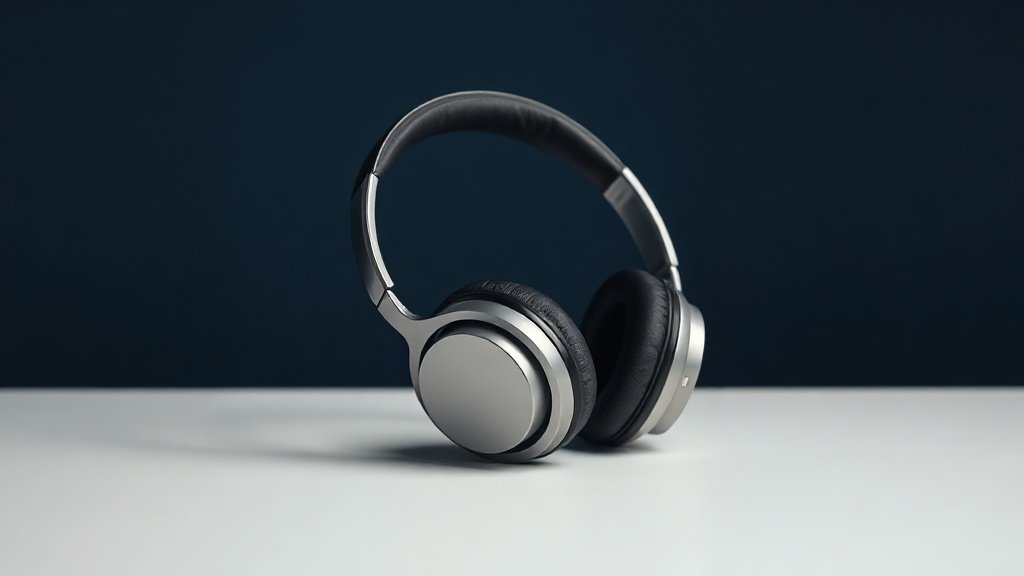
Sennheiser has been making headphones longer than most of us have been listening to music, and the 2026 lineup reflects decades of refinement. The problem is that the range spans everything from closed-back studio monitors to open-back audiophile flagships to fully wireless noise-cancelling cans — and choosing the wrong one is an easy mistake to make when the titles all sound impressive.
This article cuts through that. We have taken the current Sennheiser range available on Amazon, filtered out the noise, and ranked the best options by use case. Whether you are a home listener who wants the most natural sound possible, a commuter who needs solid noise cancellation, or a professional who monitors in a studio, there is a clear answer here for you.
Every pick below is a real product available right now. We name a specific strength and a real limitation for each one, so you can make an honest decision rather than a hopeful one.
Best overall: Sennheiser Momentum 5 Wireless


The Sennheiser Momentum 5 Wireless sits at the top of this list because it does the most for the widest range of listeners. It is a Bluetooth over-ear headphone with adaptive active noise cancellation, support for Dolby Atmos and lossless audio, and a battery life that the supplied title confirms at 57 hours — one of the longest in any wireless headphone at this level. That is not a small number; it means most users will charge it once a week at most.
The Momentum 5 Wireless is built for people who want a single headphone that handles commuting, working from home, and relaxed evening listening without compromise. Crystal-clear call quality is called out specifically in the product title, which matters if you are on video calls all day. Adaptive ANC means the headphone adjusts its noise cancellation to your environment automatically rather than requiring you to dig into a menu.
The honest limitation is that at this price tier, you are paying for the full package — if you only ever listen at home at a desk and never need wireless or noise cancellation, the wired audiophile picks lower on this list will deliver more raw sound quality per pound spent. But as a do-everything daily driver, the Momentum 5 Wireless is the strongest single recommendation here.
Buy this if: You want one premium wireless headphone that handles travel, calls, and hi-res listening without compromise.
Best audiophile open-back: Sennheiser HD 660S2
The Sennheiser HD 660S2 is an open-back, over-ear wired headphone aimed squarely at serious home listeners. Open-back means sound can pass through the earcups in both directions, which creates a wider, more natural soundstage — the audio feels like it exists around you rather than inside your skull. The supplied title calls out deep bass extension and refined acoustic performance, which signals this is a step beyond Sennheiser’s mid-range open-backs in terms of tuning.
The HD 660S2 covers a broad set of serious use cases: PC listening, music, gaming, and podcasting are all listed in the product title. That versatility at an audiophile level is genuinely useful — many high-end headphones are too narrowly tuned for anything other than pure music listening. This one has enough flexibility to be a single desktop solution for someone who does multiple things at their setup.
The limitation is inherent to the open-back design: these are not for use on public transport or in shared offices. Sound leaks out, and outside noise comes in. They are a home or private studio headphone, full stop. You will also need a decent headphone amplifier or DAC to drive them properly.
Buy this if: You listen critically at home and want the most refined open-back sound Sennheiser makes at this level.
Best value audiophile: Sennheiser HD 600
The Sennheiser HD 600 has been a reference point in headphone listening for a very long time, and its continued presence in the current Amazon listings tells you everything: it still competes. This is an open-back dynamic wired headphone with open metal earpiece covers, described in its own title as offering a natural soundstage and premium comfort for music lovers. Those are not marketing claims on the HD 600 — they are the reason it has remained in print for decades.
Compared to the HD 660S2, the HD 600 is a more affordable route into the same family of open, airy, natural-sounding Sennheiser audio. For a listener who wants to understand what all the fuss about audiophile headphones is about, this is the most logical starting point in this list — it is well-documented, well-loved, and consistently regarded as a benchmark rather than a niche curiosity.
The limitation is the same as any open-back design: no isolation, and not suited to noisy environments. It also benefits from amplification, so budget for a headphone amp if you do not already own one. But as a long-term investment in how recorded music is supposed to sound, the HD 600 is hard to argue against.
Buy this if: You want a proven, long-standing audiophile wired headphone that represents genuinely good value at its price point.
Best closed-back studio: Sennheiser HD 280 Pro

The Sennheiser HD 280 Pro is a closed-back, over-ear wired headphone designed for professional monitoring environments. Closed-back means the earcups seal around your ears, blocking external sound and preventing audio from leaking out — essential if you are recording vocals or instruments and do not want microphone bleed, or if you simply need to focus in a loud room.
The HD 280 Pro is a straightforward, no-frills professional tool. It does not have the expansive soundstage of the open-back models on this list, and that is entirely by design. What it offers instead is isolation and a neutral, honest sound intended for monitoring work rather than pleasurable home listening. It is also among the most affordable picks here, making it a realistic entry point for a home studio setup or a podcast recording booth.
The limitation worth naming is comfort over long sessions — closed-back headphones that clamp firmly for isolation can become uncomfortable after extended wear, and the HD 280 Pro is not known for luxurious padding. If you are wearing headphones for eight hours straight, this may fatigue you more than a lighter open-back design would.
Buy this if: You record music or voice at home and need a reliable closed-back monitor that will not break the budget.
Best open-back mid-range: Sennheiser HD 550

The Sennheiser HD 550 is described in its supplied title as an open-back audiophile headphone with a lightweight design, best-in-class sound with enhanced bass and treble, and compatibility with both 3.5mm and 6.35mm audio jacks. That dual-jack compatibility is a practical detail worth noting — it means you can plug directly into a phone or portable player and also into a full-sized headphone amplifier without an adaptor, covering more use cases out of the box.
The title also calls out gaming and remote work readiness alongside music, which positions the HD 550 as a more versatile everyday open-back headphone than a pure audiophile reference tool. The enhanced bass and treble tuning suggests a slightly more engaging, consumer-friendly sound compared to the flatter reference presentation of the HD 600 or HD 660S2 — useful for listeners who find pure neutrality a little dry.
As an open-back design, it shares the same limitation as every other headphone in that category here: no noise isolation, sound leaks, and it is not suited to shared or noisy spaces. The lighter tuning also means it may not satisfy a listener who specifically wants the flattest, most reference-accurate response.
Buy this if: You want a versatile open-back headphone for gaming, remote work, and music without spending flagship prices.
Best wireless for TV: Sennheiser RS 120-W

The Sennheiser RS 120-W occupies a completely different niche from everything else on this list. It is an on-ear wireless headphone specifically designed for TV listening, and the supplied title makes its purpose explicit: crystal-clear TV listening with three sound modes, a 60-metre wireless range, and a transmitter that also charges the headphones when docked. That transmitter-charger combination means you dock the headset on the TV unit when you are done watching, and it charges automatically — no cables to hunt for, no batteries to manage.
The 60-metre range is listed directly in the product title and is a genuinely meaningful figure for a TV headphone — it means you can walk to the kitchen during an ad break without the audio cutting out. The three sound modes suggest the RS 120-W is tuned to make dialogue and broadcast audio clearer, which is particularly useful for anyone who finds TV audio hard to follow at standard volumes.
The limitation is focus: this is a single-use product. It is not for music listening on the go, it does not have active noise cancellation, and it is not going to satisfy an audiophile. But for its intended purpose — comfortable, wireless TV listening at home — it solves a real problem that none of the other headphones on this list address as directly.
Buy this if: You want to watch TV late at night without disturbing others, or you find standard TV audio hard to hear clearly.
How to choose your Sennheiser headphones
Open-back versus closed-back. Open-back headphones let air and sound pass through the earcups, producing a wider, more natural soundstage. They are ideal for private home listening. Closed-back headphones seal around your ears, blocking outside noise and keeping your audio in — better for studios, offices, and commuting. If you are unsure which camp you are in, think about where you will primarily use them.
Wired versus wireless. Wired headphones at the same price point generally deliver better raw sound quality than wireless equivalents, because there is no compression involved in the signal chain. Wireless headphones trade a little of that for convenience — no cable tangle, freedom of movement, and in some cases active noise cancellation. If your primary use is critical home listening, go wired. If your primary use is anywhere else, wireless is probably worth the trade-off.
Active noise cancellation. ANC is worth paying for if you regularly use headphones in noisy environments: planes, trains, busy offices. It is largely irrelevant if you only ever listen quietly at home. Do not pay for a feature you will not use regularly.
Driving requirements. Several of the open-back wired headphones on this list, particularly the HD 600 and HD 660S2, benefit significantly from a dedicated headphone amplifier. Plugging them straight into a phone or laptop will work, but you will not hear what they are fully capable of. If you do not own an amp and are not planning to buy one, a more efficient wireless headphone or a closed-back monitor may serve you better day-to-day.
Use-case honesty. The single biggest mistake buyers make with headphones is purchasing for a use case they imagine rather than the one they actually have. A spectacular audiophile open-back headphone is a poor choice for someone who listens on the bus. A TV wireless headphone is a poor choice for a studio engineer. Match the headphone to your real, daily use first.
Frequently asked questions
Are Sennheiser headphones worth the money?
For most listeners, yes. Sennheiser builds headphones with consistent quality across their range, from affordable studio monitors like the HD 280 Pro to long-standing audiophile references like the HD 600. You are generally paying for genuine engineering rather than brand margin, which is not always true in this category.
Do I need a headphone amplifier for Sennheiser open-back headphones?
For the HD 600 and HD 660S2 in particular, a headphone amplifier will make a noticeable difference. These are harder to drive than typical consumer headphones, and a phone or laptop headphone socket may not give them enough power to perform at their best. A dedicated USB DAC-amp is the most practical solution for a desktop setup.
What is the difference between the HD 600 and the HD 660S2?
Both are open-back wired audiophile headphones from Sennheiser, but the HD 660S2 is the newer and more refined design, with the supplied title specifically calling out deep bass extension as an improvement. The HD 600 is a proven long-term reference that remains competitive. The HD 660S2 is the better headphone; the HD 600 is the better value proposition depending on your budget.
Can I use Sennheiser open-back headphones in a shared office?
No, and this is important. Open-back headphones leak sound in both directions — your colleagues will hear your audio, and you will hear the room. They are designed for private listening environments. If you need headphones for an office, choose a closed-back model like the HD 280 Pro or a wireless option with ANC like the Momentum 5 Wireless.
How long does the Sennheiser Momentum 5 Wireless battery last?
The supplied product title states 57 hours of battery life. In practical terms, that means most listeners will charge the Momentum 5 Wireless roughly once a week under normal daily use, which is among the strongest battery figures in the wireless headphone category.
The verdict
The Sennheiser Momentum 5 Wireless is the top overall pick for most people: it combines adaptive ANC, lossless audio, Dolby Atmos support, and exceptional battery life into one versatile package that handles nearly every listening context. For the best value pick among the wired audiophile options, the Sennheiser HD 600 remains a benchmark that has stood the test of time and continues to deliver natural, reference-quality sound at a price well below the flagship tier.
For more, browse all our reviews and roundups.
AudioTechExpert is reader-supported. This article contains affiliate links, and we may earn a commission on qualifying purchases at no extra cost to you.