
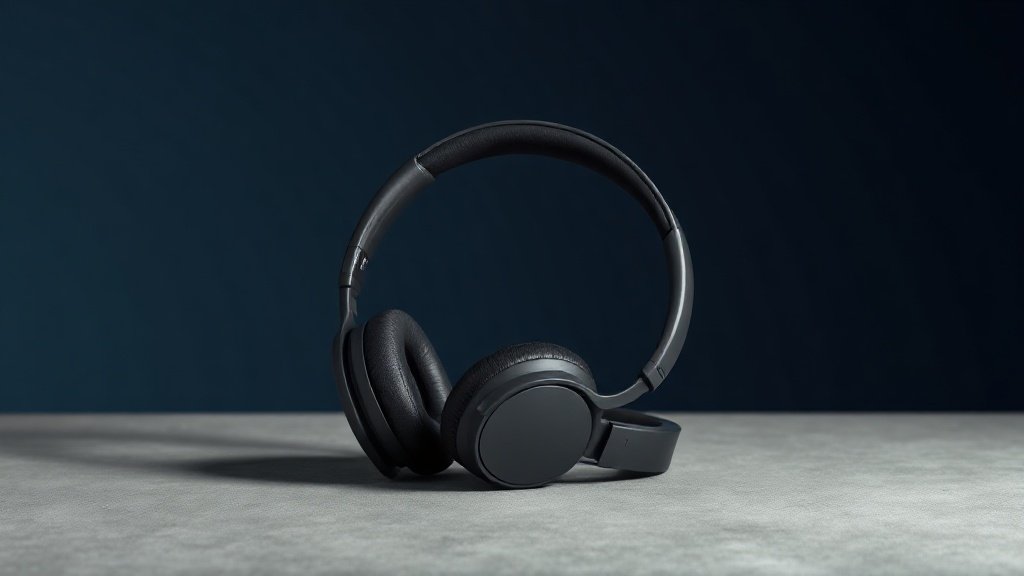
Choosing between two premium noise-cancelling headphones is rarely straightforward, and the matchup between the Bowers & Wilkins Px7 S2 and the Sony WH-1000XM6 is no exception. Both promise serious noise cancellation, all-day battery life, and a refined wireless listening experience — yet they take distinctly different approaches to getting there.
The Bowers & Wilkins Px7 S2 (available here in a renewed condition listing) leans into the brand’s audiophile heritage, wrapping its technology in technical fabrics and a considered aesthetic. The Sony WH-1000XM6, meanwhile, arrives as Sony’s most ambitious noise-cancelling headphone yet, leading with its ‘HD NC Processor QN3’, twelve microphones, and an ‘Adaptive NC Optimizer’ designed to tailor cancellation to your environment in real time.
This comparison covers sound character, noise cancellation, battery, build quality, and overall value — everything a buyer genuinely needs to weigh up before committing. Read on to find out which of these two headphones suits your listening life.
Bowers & Wilkins Px7 S2: the audiophile-leaning renewed option
The Bowers & Wilkins Px7 S2 is an over-ear headphone that carries the British brand’s longstanding commitment to sound quality into the wireless, noise-cancelling space. Finished in technical fabrics and available here as a manufacturer-renewed unit, it targets listeners who prioritise a natural, musical sound signature over feature maximalism. If you care deeply about tonal character and want a headphone that feels like a considered piece of audio engineering rather than a gadget, the Px7 S2 makes a strong case.
On the practical side, the Px7 S2 offers advanced noise cancellation alongside a thirty-hour battery life — and crucially, a fifteen-minute quick charge that buys meaningful listening time when you’re in a hurry. The technical-fabric construction gives it a premium, understated look that stands apart from the more consumer-electronic aesthetic common in this category.
The honest limitation here is the ‘renewed’ status of this particular listing. Renewed products are inspected and tested, but buyers who prefer brand-new-in-box peace of mind may hesitate. It’s worth factoring that into your decision, especially if you’re comparing it against a brand-new alternative.
Sony WH-1000XM6: the feature-rich noise-cancellation flagship


The Sony WH-1000XM6 is Sony’s latest flagship in its celebrated noise-cancelling line, and it arrives with a headline-grabbing specification sheet. The new ‘HD NC Processor QN3’ works in concert with twelve microphones to deliver what Sony describes as its most precise noise cancellation to date. The ‘Adaptive NC Optimizer’ goes further, automatically adjusting cancellation based on your wearing state, atmospheric pressure, and environment — a genuinely useful feature for frequent travellers or commuters who move between different noise environments throughout the day.
Sony also makes a point of its ‘Mastered by Engineers’ tuning process, which suggests a studio-informed sound signature aimed at accuracy and balance. With thirty hours of battery life matching the Px7 S2 on endurance, the WH-1000XM6 competes on stamina while pulling ahead on raw noise-cancellation technology. It is sold new, which for many buyers removes the uncertainty associated with a renewed listing.
The WH-1000XM6 is the pricier option in this matchup, and that premium is real. Buyers who don’t need the very latest noise-cancellation chip, or who place sound character above feature count, may find the gap harder to justify.
Head-to-head: Px7 S2 vs WH-1000XM6
Sound signature: The Bowers & Wilkins Px7 S2 reflects the brand’s analogue-inspired philosophy — expect a sound that feels musical and detailed, with a tuning aimed at listeners who want to hear recordings as they were intended. The Sony WH-1000XM6, with its ‘Mastered by Engineers’ badge, pursues a studio-reference quality, prioritising balance and accuracy. Both are genuinely capable headphones, but the Px7 S2 may feel more characterful to enthusiasts, while the WH-1000XM6 appeals to those who want a neutral, transparent presentation.
Noise cancellation: This is where the WH-1000XM6 pulls decisively ahead. Twelve microphones and the new QN3 processor, combined with an adaptive optimiser that adjusts to your environment, represent a meaningful generational step. The Px7 S2 offers advanced noise cancellation and performs well, but Sony’s technology here is more sophisticated by design. For frequent flyers or open-plan office workers, the WH-1000XM6’s edge in ANC is a practical difference, not just a spec on paper.
Battery life: Both headphones match on battery endurance, with thirty hours stated in each product’s title. The Px7 S2 adds a fifteen-minute quick-charge feature, which is a handy safety net. Sony’s charging credentials are not detailed in the supplied information, so on this criterion the two are broadly comparable, with the Px7 S2 having a confirmed quick-charge advantage.
Comfort and build: The Px7 S2’s technical-fabric finish gives it a distinctive, refined feel that sets it apart from more plasticky rivals. The WH-1000XM6 follows Sony’s established over-ear design language, which has historically been praised for all-day wearability. Without handling both, it’s difficult to separate them definitively on comfort — both are full-size over-ears from mature, experienced manufacturers — but the Px7 S2’s material choices give it a premium tactile edge.
Features and intelligence: The WH-1000XM6 leads on feature density: adaptive noise cancellation, twelve microphones for call quality, and Sony’s ecosystem of app-based controls and sound personalisation. The Px7 S2 is more focused, offering solid core functionality without the same level of environmental intelligence. For tech-forward buyers who enjoy customising their listening experience, the Sony is the richer platform.
Value: The Px7 S2, available as a renewed unit, is the more affordable option in this comparison. For buyers comfortable with renewed goods, that represents a meaningful saving on a genuinely capable audiophile headphone. The WH-1000XM6 commands a higher price as a brand-new flagship, and the premium is justified by its advanced ANC and feature set — but only if those features matter to you.
Frequently asked questions
Which has better noise cancellation — the Bowers & Wilkins Px7 S2 or the Sony WH-1000XM6?
The Sony WH-1000XM6 has the stronger noise cancellation. Its twelve-microphone array, dedicated QN3 processor, and Adaptive NC Optimizer give it a clear technological advantage over the Px7 S2’s advanced-but-less-adaptive system. For heavy commuters or frequent flyers, the Sony’s ANC is the more capable tool.
Is the Bowers & Wilkins Px7 S2 worth buying as a renewed product compared to the new Sony WH-1000XM6?
It depends on your priorities. The Px7 S2 renewed offers genuine audiophile pedigree at a lower entry price, and renewed units are inspected before sale. If sound character and value matter more to you than having the latest ANC chip, it’s a legitimate choice. If you want the security of brand new and the most advanced noise cancellation available, the WH-1000XM6 is the safer bet.
Which headphone has better battery life — the Px7 S2 or the WH-1000XM6?
Both are rated at thirty hours, so they are evenly matched on endurance. The Px7 S2 has a confirmed fifteen-minute quick-charge feature, which is a useful bonus. Whether the WH-1000XM6 offers a comparable quick-charge option is not confirmed in the available product information, giving the Px7 S2 a slight practical edge here.
Which is better for studio-quality or accurate sound — the Px7 S2 or the WH-1000XM6?
The WH-1000XM6’s ‘Mastered by Engineers’ tuning suggests a focus on studio-accurate, balanced reproduction. The Px7 S2 leans more towards Bowers & Wilkins’ musical, characterful house sound. Listeners who want strict neutrality may favour the Sony; those who prefer a more involving, slightly warmer character may prefer the Bowers & Wilkins.
Which headphone is better for calls — the Px7 S2 or the WH-1000XM6?
The Sony WH-1000XM6’s twelve-microphone configuration gives it a structural advantage for call quality and voice pickup. More microphones generally means better noise rejection and clearer voice isolation during calls. The Px7 S2 is a capable all-rounder, but for users who take a lot of calls, the WH-1000XM6’s microphone array is the stronger choice.
The verdict
Choose the Bowers & Wilkins Px7 S2 if you’re an audio enthusiast who values a musical, characterful sound above all else, and you’re comfortable purchasing a renewed product to access that experience at a more accessible price. The quick-charge feature and thirty-hour battery make it a practical daily companion, and the technical-fabric build gives it a premium feel that rewards those who appreciate craftsmanship over feature lists.
Choose the Sony WH-1000XM6 if noise cancellation is your primary concern — particularly if you commute, travel frequently, or work in noisy environments. Its adaptive ANC system, twelve-microphone array, and ‘Mastered by Engineers’ tuning make it the more technologically complete package, and buying new offers the full manufacturer warranty and out-of-box confidence that renewed listings cannot always match.
If you simply want a premium wireless headphone with long battery life and strong noise cancellation, either will serve you well — the decision ultimately comes down to whether you prioritise sound character and value (Px7 S2) or cutting-edge ANC technology and feature richness (WH-1000XM6).
For more, browse all our reviews and roundups.
AudioTechExpert is reader-supported. This article contains affiliate links, and we may earn a commission on qualifying purchases at no extra cost to you.