The single question that determines whether your first audiophile headphones will transform your listening or sit unused in a drawer is not about budget or brand. It is about where and how you actually listen.
Most people entering the audiophile space for the first time assume that open-back headphones are simply the better option because enthusiast forums treat them as the default recommendation. That assumption leads a significant number of first-time buyers to spend money on a pair that genuinely does not work for their environment, and they end up concluding that expensive headphones were not worth it. The problem was never the headphones.
This guide explains what separates open-back and closed-back designs at a technical and practical level, how each type behaves in real listening environments, and what questions you should be asking before you spend a single pound on either. I am not here to point you toward a specific product. I am here to make sure you understand the choice so thoroughly that you can make the right call yourself.
What the Design Difference Actually Means
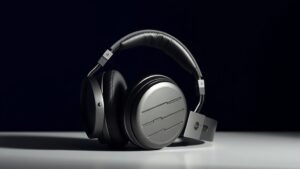
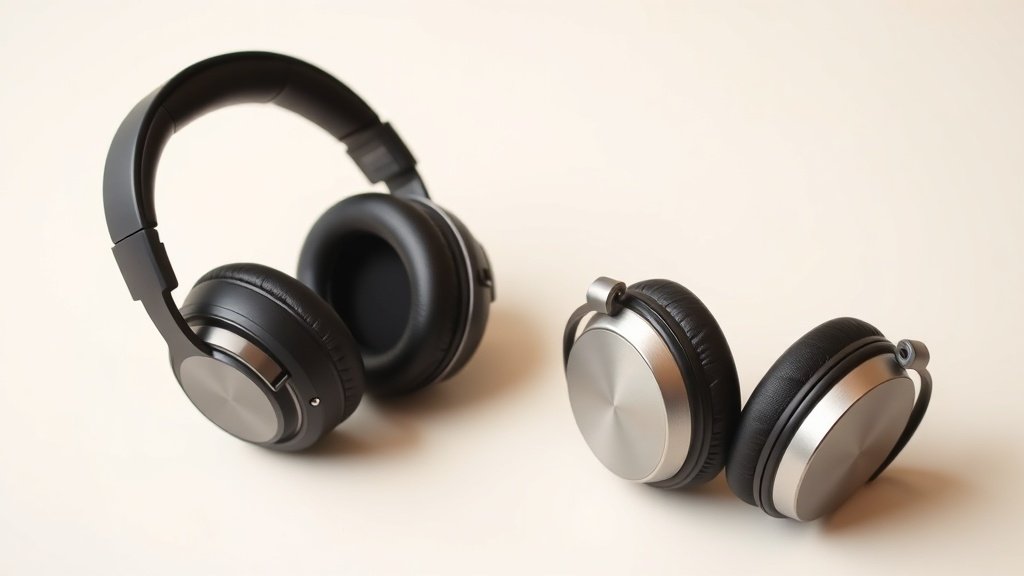
An open-back headphone has a perforated or mesh rear cup that allows air and sound to pass freely in both directions. The driver fires toward your ear, but a portion of that sound also radiates outward through the back of the cup. This matters in two concrete ways: people near you can hear what you are listening to, and sound from your environment passes into the cup and reaches your ears. There is no meaningful passive isolation happening in either direction.
A closed-back headphone has a sealed rear cup. The driver still fires toward your ear, but the acoustic energy that would otherwise escape is instead contained and managed inside the cup. This creates isolation from external noise and prevents your audio from leaking into the room. The degree of isolation varies considerably between models, but the fundamental principle holds across all sealed designs. It is a physical fact of the enclosure, not a marketing claim.
Neither design is a compromise or a lesser version of the other. They are optimised for different use cases, and the engineering trade-offs involved are real and deliberate. Understanding those trade-offs is the entire point of this guide.
How Each Design Sounds Differently and Why
Open-back headphones have a reputation for sounding more natural and spacious, and that reputation is largely earned. Because the rear of the cup is open, sound is not bouncing around inside a sealed chamber and reflecting back at the driver. The result is a presentation that audio engineers often describe as having a sense of air around instruments, with less of the boxy or congested quality that sealed enclosures can sometimes introduce. The Sennheiser HD 600 and the Beyerdynamic DT 990 Pro are both well-regarded entry points to this experience, and both demonstrate that open character clearly.
Closed-back headphones deal with the acoustic challenge of the sealed chamber in different ways. Some manufacturers tune the internal volume carefully and use damping materials to control reflections. Others use port vents or tuned resonance chambers. The Audio-Technica ATH-M50x, for example, has been a reference point for closed-back monitoring for years, and its sound is tight and controlled rather than spacious. That is a design choice, not a flaw. The Sony MDR-1AM2 takes a different approach with a larger driver and more carefully managed internal geometry, producing a warmer and more open-sounding closed-back result without the leakage of a true open design.
Soundstage is the quality most often cited as the advantage of open-back headphones, and it is real. Because the driver is not working against a sealed chamber, instruments and elements in a mix tend to appear more separated and positioned across a wider perceived space. Closed-back headphones can produce excellent imaging but typically present a more intimate, in-head sensation. Whether that is a problem depends entirely on what you are using the headphones for and what kind of listening experience you prefer.
Choosing the wrong headphone type for your environment is a far more expensive mistake than choosing the wrong brand.
Environment Is the Deciding Factor
If you are listening in a quiet room at home, alone, with no one nearby who will be disturbed, open-back headphones are genuinely the better introduction to high-fidelity audio for most people. The natural presentation makes it easier to hear what a recording actually sounds like, and the absence of isolation means your brain does not have to work against the psychological pressure of complete auditory sealing. Long listening sessions feel less fatiguing. This is the use case open-back headphones were designed for, and they perform it well.
If you commute, work in an open office, share a living space with others, or need to use headphones in any environment where external noise is present or where your audio leaking into the room would cause a problem, open-back headphones are functionally unusable regardless of how good they sound in ideal conditions. A pair of Sennheiser HD 650s on the London Underground is not an audiophile experience. It is a frustrating exercise in turning the volume up to compete with noise while simultaneously broadcasting your music to everyone within two metres of you.
Closed-back headphones also serve a recording and production function that open-back designs simply cannot fulfil. If you ever track vocals, acoustic instruments, or any live source with a microphone in the same room, you need closed-back headphones to prevent the cue mix from bleeding into the microphone. This is non-negotiable in a recording context. The Beyerdynamic DT 770 Pro has been a studio tracking standard for decades specifically because it combines solid passive isolation with a controlled, balanced sound that works for both monitoring and extended wear.
The Role of Amplification in Your Choice
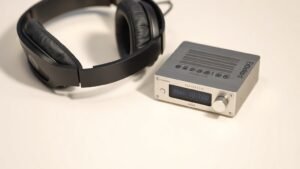
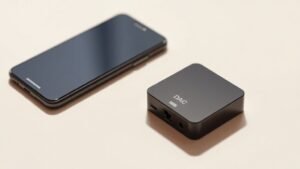
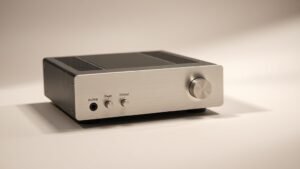
Open-back headphones, particularly at the audiophile level, tend to have higher impedance ratings than consumer closed-back models. The Sennheiser HD 600 is rated at 300 ohms, and while modern smartphones and laptops can technically drive it to audible volume, the headphone does not perform as intended at those power levels. The bass becomes thin, the dynamics compress, and the overall presentation loses the qualities that justify the purchase. If you are buying an open-back headphone in this impedance range, you are also implicitly committing to a headphone amplifier or a DAC and amplifier combination.
Many closed-back headphones targeted at the audiophile entry level are designed to be more easily driven. The Focal Listen Professional, for instance, is rated at 80 ohms and produces a full, controlled sound from a portable source. This is not universally true of closed-back headphones, but the pattern of easier drivability is common enough that it affects the overall cost of getting started. If you are buying your first audiophile headphones without an amplifier, closed-back options in the 32 to 80 ohm range give you a more complete experience immediately while you build out the rest of your chain.
Which Should You Buy First
The most honest answer I can give, after years of obsessively buying, using and comparing audio gear, is this: buy open-back first if and only if you have a quiet, private listening environment and are prepared to add a decent headphone amplifier to your setup. The sound quality ceiling is high, the listening fatigue is lower over extended sessions, and the experience of hearing a well-mastered recording through a pair of HD 600s or a Hifiman HE400se is genuinely revelatory for someone coming from consumer headphones.
Buy closed-back first if your environment is shared or variable, if you need any degree of isolation, if you might ever use the headphones for recording or monitoring work, or if you want to start listening immediately without additional equipment investment. A well-chosen closed-back headphone is not a compromise introduction to audiophile listening. It is a different and equally valid path into the same destination. The distinction between the two designs is situational, not hierarchical.
Buying open-back headphones for use in a shared or noisy environment is the most common and most costly first mistake. The design physically cannot isolate you from external sound or prevent leakage, and no amount of EQ or volume increase resolves that. Assess your primary listening environment honestly before you spend anything.
Assuming you do not need a headphone amplifier for a high-impedance open-back model is a mistake that undermines the entire purchase. Running 300 ohm headphones from a laptop headphone socket produces an audibly inferior result and does not represent what those headphones are capable of. Factor amplification into your budget from the beginning.
Treating soundstage as an objective measure of quality rather than a design characteristic suited to specific preferences is a mistake that leads to poor purchasing decisions. Some listeners genuinely prefer the intimate, focused presentation of a well-tuned closed-back headphone. Listening to your own response to both types before committing to a direction is worth the effort if you have access to a shop or a friend with both designs.
Conclusion
The open-back versus closed-back question has a clear answer for almost every individual once the relevant variables are on the table. It is not a question of which design is technically superior. It is a question of where you listen, who else is in the room, whether you need isolation, and what supporting equipment you have or are willing to add. Get those facts clear first, and the right choice follows from them directly.
FREE DOWNLOAD
Stop Guessing. Start Buying Smart.
The specs that actually matter, demystified.
Headphones, microphones, the spec sheet jargon you can ignore — all in one quick-reference PDF. Free, instant, no fluff.
Send Me the CheatsheetYou'll also receive occasional new guide notifications. Unsubscribe anytime. No spam, ever.