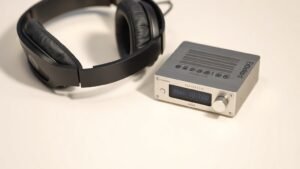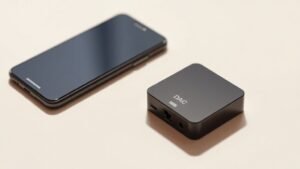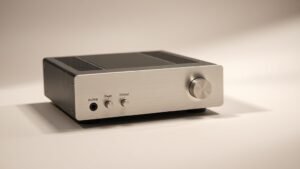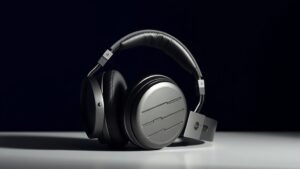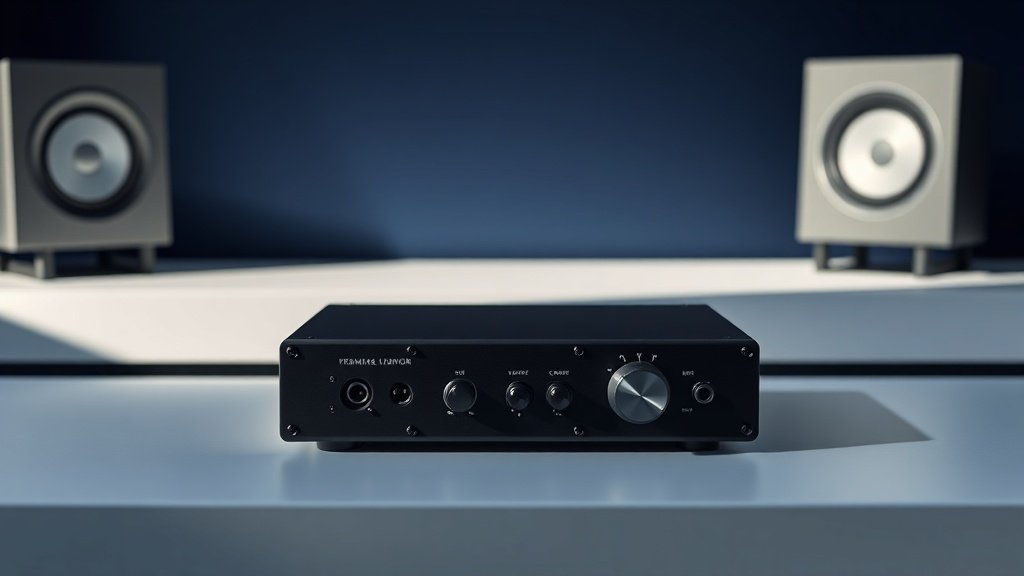
The headphone amplifier market thrives on confusion about impedance ratings and power requirements that most listeners never actually encounter.
After years of obsessively buying, using and comparing audio gear, the amplifier question comes down to simple electrical reality. Your headphones either receive adequate power from your source device or they do not. The marketing complexity surrounding this topic obscures straightforward technical principles.
This guide examines the specific circumstances that require headphone amplification, the electrical characteristics that determine compatibility, and the practical steps for evaluating your current setup before spending money on additional gear.
Understanding Impedance and Power Requirements
Headphone impedance measures electrical resistance, expressed in ohms. Low impedance models like the Audio-Technica ATH-M50x at 38 ohms draw more current from your audio source, while high impedance options like the Sennheiser HD 600 at 300 ohms require higher voltage to achieve the same volume levels. Most consumer devices output sufficient power for headphones below 80 ohms but struggle with anything substantially higher.
The power calculation involves both impedance and sensitivity ratings. Sensitivity indicates how loud headphones play at a given power level, measured in decibels per milliwatt. The Beyerdynamic DT 770 Pro 80 ohm version reaches comfortable listening levels from most interfaces, while the 250 ohm variant often sounds thin and underpowered from the same source. This difference stems from the voltage limitations of standard headphone outputs, not necessarily the total power available.
Professional studio monitors like the Sennheiser HD 650 demand clean power delivery to perform correctly. These headphones reveal the difference between adequate amplification and proper amplification through improved bass extension, clearer midrange detail, and reduced distortion during complex passages. The change becomes immediately obvious when switching between a smartphone output and a dedicated amplifier.
Proper amplification transforms high impedance headphones from functional to exceptional, but most listeners never encounter impedance levels that require additional power.
Source Device Limitations
Smartphone headphone outputs typically provide 1 to 5 milliwatts into high impedance loads, sufficient for efficient earphones but inadequate for demanding over-ear models. Laptop headphone jacks perform similarly, often with additional noise from internal digital switching. The integrated circuits used in these devices prioritise battery life over audio performance, resulting in limited current delivery and higher output impedance.
Audio interfaces like the Focusrite Scarlett Solo include headphone amplification designed for monitoring during recording sessions. These outputs handle most studio headphones effectively, though they may lack the refinement of dedicated amplifier circuits. USB audio devices represent a middle ground, providing more power than basic computer outputs while maintaining digital signal integrity through the conversion process.
Desktop computers with discrete sound cards offer variable performance depending on the specific implementation. Creative Sound Blaster series cards include amplifier sections capable of driving moderate impedance loads, while basic motherboard audio struggles with anything beyond efficient consumer headphones. The quality difference becomes apparent through background noise levels and dynamic range rather than maximum volume alone.
When Amplification Makes a Measurable Difference
High impedance headphones above 150 ohms consistently benefit from dedicated amplification. Models like the AKG K702 at 62 ohms remain borderline cases, functioning adequately from strong sources but improving noticeably with additional power. The Sennheiser HD 800 series demands substantial amplification to achieve optimal performance, requiring amplifiers like the Schiit Magni or FiiO K5 Pro to deliver sufficient voltage swing.
Planar magnetic headphones present unique challenges regardless of their impedance ratings. The Hifiman Sundara exhibits low impedance but requires significant current delivery due to its driver technology. Standard device outputs produce acceptable volume levels but lack the control necessary for proper bass response and transient accuracy. These headphones reveal amplifier quality through improved dynamics and spatial presentation rather than simple loudness.
Professional mixing applications demand consistent monitoring levels across extended sessions. Headphone amplifiers with multiple outputs like the PreSonus HP4 enable reliable level matching between different headphone models, essential when comparing mix translations. The amplifier provides stable performance regardless of source impedance variations and maintains stereo imaging accuracy at all volume levels.
Recognising When Your Current Setup Works Fine
Most consumer headphones from major manufacturers work effectively with standard device outputs. The Sony WH-1000XM4, Bose QuietComfort series, and similar models include internal amplification that bypasses source limitations entirely. These designs eliminate impedance matching concerns while providing consistent performance across different input devices.
Gaming headphones like the SteelSeries Arctis series typically feature low impedance and high sensitivity ratings optimised for direct connection to controllers and mobile devices. Adding external amplification to these models often introduces unnecessary complexity without audible improvement. The built-in microphone systems may also bypass or conflict with external amplifier circuits.
Budget studio headphones including the Audio-Technica ATH-M40x and Sony MDR-7506 deliver professional monitoring capability from basic sources. These models gained industry acceptance specifically because they perform consistently regardless of the driving amplifier, making them reliable choices for situations where amplification quality varies. Their impedance and sensitivity specifications ensure compatibility with everything from portable recorders to high-end mixing consoles.
Assuming all high-end headphones require dedicated amplification regardless of specifications. Many expensive models feature efficient designs that work perfectly from standard sources, while some budget options demand substantial power to function properly. Check impedance and sensitivity ratings before purchasing additional equipment.
Buying amplifiers based on maximum power specifications alone. Clean power delivery at moderate levels matters more than peak wattage for headphone applications. Focus on amplifiers with low noise floors and stable performance rather than impressive power ratings that exceed headphone requirements.
Using amplification to fix poor source audio quality or inadequate recordings. Headphone amplifiers increase signal levels and provide current delivery but cannot improve the quality of the original signal. Address source issues through better cables, reduced interference, or higher quality audio files before adding amplification.
Conclusion
Headphone amplifiers serve specific technical purposes rather than universal audio improvement. Evaluate your headphone impedance ratings, test current performance levels, and identify actual limitations before investing in additional equipment. Most listening situations work perfectly well without separate amplification, but the right combinations of high impedance headphones and dedicated amplifiers create genuinely superior monitoring experiences.
FREE DOWNLOAD
Stop Guessing. Start Buying Smart.
The specs that actually matter, demystified.
Headphones, microphones, the spec sheet jargon you can ignore — all in one quick-reference PDF. Free, instant, no fluff.
Send Me the CheatsheetYou'll also receive occasional new guide notifications. Unsubscribe anytime. No spam, ever.