Most people buy headphones based on brand recognition or price tags, missing the technical factors that actually determine whether you will love or hate how your music sounds
After years of obsessively buying, using and comparing audio gear, or completely different from what they expected. The problem is not the music or the source device.
This guide explains the essential factors that determine headphone sound quality, comfort, and suitability for your specific needs. We will cover driver technologies, impedance matching, frequency response characteristics, and practical considerations that matter more than marketing claims.
Understanding Headphone Driver Types
The driver is the component that converts electrical signals into sound waves, and different driver types produce distinctly different sonic characteristics. Dynamic drivers use a magnetic coil attached to a diaphragm and dominate the consumer market because they produce strong bass response and work efficiently with phones and portable devices. The Sennheiser HD 600 series uses dynamic drivers to deliver the balanced sound that has made them studio standards for decades.
Planar magnetic drivers sandwich a thin film between magnets to create more uniform motion across the entire diaphragm surface. This technology produces exceptional detail and speed but requires more power to drive properly. The Audeze LCD-2 and HiFiMan Sundara demonstrate how planar magnetic technology excels at reproducing complex musical passages with clarity that dynamic drivers struggle to match.
Electrostatic drivers operate using charged plates to move an ultra-thin diaphragm, producing the most detailed and transparent sound possible. However, they require dedicated amplifiers and cost significantly more than other technologies. The STAX SR-009S represents the pinnacle of electrostatic design, though the complete system investment puts this technology beyond most budgets.
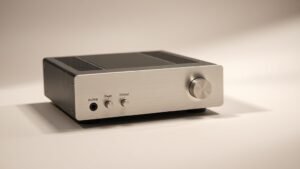
Decoding Impedance and Power Requirements
Impedance determines how much power headphones need to reach proper listening volumes, and matching this specification to your source device prevents disappointing performance. Low impedance headphones between 16 and 32 ohms work directly from phones, tablets, and laptops without additional amplification. The Audio-Technica ATH-M40x at 35 ohms exemplifies this category, delivering full performance from any consumer device.
High impedance headphones above 150 ohms require dedicated amplifiers to unlock their potential. The Beyerdynamic DT 880 600-ohm version sounds thin and lifeless from a phone but transforms into a detailed analytical tool when properly amplified. Many people buy high-impedance headphones without understanding this requirement, then blame the headphones for poor performance.
The middle ground between 50 and 150 ohms offers flexibility for both portable and desktop use, though performance improves with better amplification. The Grado SR225e at 32 ohms provides a good example of headphones that work everywhere but benefit from quality amplification when available.
The frequency response graph reveals more about headphone character than any marketing description or professional review.
Reading Frequency Response Characteristics
Frequency response determines the tonal balance you hear, and understanding these curves prevents costly mismatches between headphone character and your preferences. A flat response reproduces all frequencies at equal levels, which sounds neutral but can feel clinical to listeners accustomed to boosted bass or treble. The Etymotic ER2XR follows this approach, delivering accuracy that mixing engineers appreciate but casual listeners might find boring.
Bass emphasis creates the warm, full sound that many people associate with quality headphones, though excessive bass boost muddies midrange detail where vocals and instruments live. The V-shaped response combines bass boost with treble emphasis while scooping out midrange frequencies. This tuning sounds exciting initially but causes fatigue during longer listening sessions because it exaggerates harsh frequencies while masking important musical information.
Bright headphones emphasise treble frequencies to create an impression of detail and clarity, but poorly implemented treble emphasis produces harsh, fatiguing sound that makes music unpleasant. The key is finding headphones whose frequency response matches both your musical preferences and intended use cases.
Open Back vs Closed Back Design
The choice between open and closed back designs affects both sound quality and practical usability in ways that determine whether specific headphones work for your situation. Open back headphones like the Sennheiser HD 660S feature perforated ear cups that allow sound to pass freely in both directions. This design creates a more spacious, natural sound with better stereo imaging, but it also means people around you hear everything you are listening to while outside noise enters freely.
Closed back designs isolate the driver in a sealed chamber, which provides privacy and blocks external noise but can create a more confined soundstage. The Audio-Technica ATH-M50x demonstrates how well-executed closed back design balances isolation with sound quality, though the presentation feels more intimate compared to equivalent open designs.
Semi-open designs attempt to capture benefits from both approaches by using partially closed backs with controlled ventilation. The AKG K240 Studio uses this approach to provide some isolation while maintaining more natural sound than fully closed designs, though the compromise means they excel at neither isolation nor openness.
Comfort and Build Quality Considerations
Physical comfort determines whether you can enjoy headphones for extended periods, and build quality affects both durability and long-term value. Weight distribution matters more than total weight because poorly balanced headphones create pressure points that become painful during longer sessions. The Beyerdynamic DT 770 Pro weighs 270 grams but distributes that weight so effectively that many users forget they are wearing headphones.
Pad materials and thickness affect both comfort and sound quality because they determine how the drivers couple to your ears. Velour pads like those on the AKG K702 breathe better during long sessions but may sound slightly less controlled than leather alternatives. Leather pads provide better seal and bass response but can become uncomfortably warm.
Replaceable parts indicate thoughtful design and reduce long-term ownership costs. Companies like Beyerdynamic and Sennheiser provide replacement cables, pads, and even drivers for their popular models, while many consumer brands require complete replacement when components wear out. This consideration becomes important when investing in headphones you intend to use for years.
People choose headphones based on bass quantity rather than bass quality. Excessive bass boost muddies important midrange frequencies where vocals and most instruments operate. Look for controlled, well-defined bass that supports music rather than overwhelming it.
Buyers assume expensive headphones automatically sound better regardless of source quality. High-end headphones reveal flaws in poor recordings and inadequate amplification more clearly than budget alternatives. Match your headphones to your source quality and listening material.
Many people ignore comfort factors until after purchase when problems become apparent. Weight distribution, pad materials, and clamping force determine long-term usability more than frequency response specifications. Prioritise physical compatibility with your head size and intended usage patterns.
Conclusion
Choosing headphones requires matching driver technology, impedance, frequency response, and design factors to your specific needs and source equipment. Focus on technical specifications that affect daily usability rather than marketing claims or brand reputation. The right headphones transform music listening from background noise into an engaging experience that reveals details you never noticed before.
FREE DOWNLOAD
Stop Guessing. Start Buying Smart.
The specs that actually matter, demystified.
Headphones, microphones, the spec sheet jargon you can ignore — all in one quick-reference PDF. Free, instant, no fluff.
Send Me the CheatsheetYou'll also receive occasional new guide notifications. Unsubscribe anytime. No spam, ever.