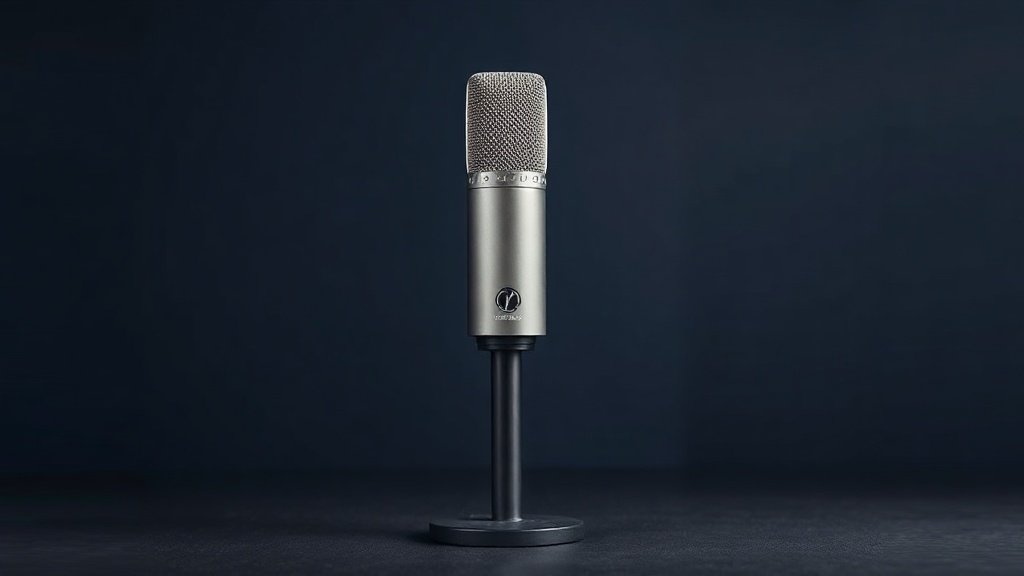
If you are building a home studio or levelling up your podcasting setup, the Røde NT1 Signature Series and the Audio-Technica AT2035 are two of the most frequently recommended large-diaphragm condenser microphones in this price bracket. Both connect via XLR, both include a shock mount, and both are aimed squarely at singers, voice-over artists, streamers, and podcasters who want professional-sounding results without a professional-level budget.
Choosing between them is not straightforward because they are genuinely close competitors. This comparison breaks down what each microphone actually offers, where one pulls ahead of the other, and — most importantly — which one suits your specific situation. We have looked at what each product includes in the box, the build quality each brand is known for, and the practical differences that matter when you are sitting down to record.
The Røde NT1 Signature Series tends to appeal to vocalists and music producers who want a complete, ready-to-record kit with a polished, low-noise character. The Audio-Technica AT2035 has long been a favourite for those who want a versatile, well-built mic with a proven track record across a wide range of sources. Read on to find out which of the two deserves a place in your setup.
Røde NT1 Signature Series: the complete-kit, low-noise vocal specialist
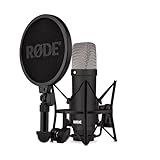

The Røde NT1 Signature Series is the latest iteration of one of the most iconic names in home-studio recording. It arrives with a shock mount, a pop filter, and an XLR cable included — meaning you have everything you need to get recording straight out of the box. That kind of completeness is genuinely useful if you are just starting out and do not want to hunt down accessories separately. Røde markets this version in a striking black finish, giving it a more contemporary look than the classic silver design.
The NT1 Signature Series is built around Røde’s reputation for exceptionally low self-noise, which makes it particularly well suited to quiet vocal performances, acoustic instruments, and situations where you want to capture fine detail without unwanted hiss in the background. It uses a large-diaphragm capsule and a cardioid polar pattern, keeping the focus firmly on whatever is directly in front of it. For solo vocalists and singer-songwriters recording at home, this microphone is hard to fault.
The honest limitation worth noting is that the NT1 Signature Series sits at the pricier end of this comparison, so buyers on the tightest possible budget may find it stretches their spending further than planned. It is also a relatively sensitive microphone, which means it rewards a well-treated recording space — if your room has noticeable echo or background noise, you will likely hear it.
Audio-Technica AT2035: the versatile workhorse with a long track record

The Audio-Technica AT2035 has been a staple recommendation for home-studio beginners and intermediate recordists for well over a decade, and its longevity speaks to how consistently solid it is. It ships with Audio-Technica’s custom shock mount and outputs via XLR, making it straightforward to integrate into any standard interface-based setup. The AT2035 uses a large-diaphragm cardioid capsule and includes both a high-pass filter switch and a pad switch directly on the body — two features that give you practical flexibility when recording louder sources or in less-than-ideal acoustic environments.
Those onboard switches are a genuine advantage. The high-pass filter helps cut low-frequency room rumble, which is useful in untreated spaces, and the pad allows the AT2035 to handle louder sound sources without distorting — making it a capable option not just for voice work but also for miking instruments. If you record a variety of sources rather than just vocals, that extra versatility is worth having. The AT2035 has a slightly fuller, warmer character that many users find immediately flattering on voice.
The main limitation is that the AT2035 does not come with a pop filter or a dedicated cable, so you may need to budget for those separately. It is also not quite as new a design as the NT1 Signature Series, and while its build quality remains very respectable, some users note the shock mount feels less premium than Røde’s offering.
Head-to-head: NT1 Signature Series vs AT2035
Sound character: Both microphones capture a detailed, open sound that is well suited to vocals and acoustic sources. The NT1 Signature Series leans toward a clean, transparent presentation that reveals a lot of fine detail, while the AT2035 has a slightly warmer, fuller quality that many podcasters and voice-over artists find immediately pleasing. Neither is better in an absolute sense — it comes down to whether you prefer a more neutral or a more characterful sound.
What is in the box: The NT1 Signature Series is the clear winner here. It includes a shock mount, a pop filter, and an XLR cable, so you can connect it to your interface and start recording without buying anything else. The AT2035 includes a shock mount but not a pop filter or a cable, meaning there are additional costs to factor in if you do not already own those items.
Onboard controls: The AT2035 has the advantage of a switchable high-pass filter and a pad built directly into the body. These are genuinely useful tools for managing room noise and louder sources on the fly. The NT1 Signature Series does not offer these switches, relying instead on post-processing or interface settings to achieve the same results. For users who record a variety of sources, or who are working in an untreated room, the AT2035’s flexibility is a practical benefit.
Build and feel: Both microphones are solidly built and feel reassuringly substantial. The NT1 Signature Series has a sleek, modern black finish and comes with Røde’s well-regarded SM6-style shock mount and pop filter combination. The AT2035’s shock mount is functional and reliable, though it feels somewhat more utilitarian by comparison. Day-to-day durability should not be a concern with either.
Versatility: If you plan to record primarily vocals, both microphones are very capable. If you anticipate recording louder instruments, live sources, or a range of different material, the AT2035’s pad switch gives it a practical edge. The NT1 Signature Series is more optimised for the specific task of capturing quiet, detailed vocal performances.
Value: The AT2035 is generally the more affordable option of the two. The NT1 Signature Series costs more, but when you factor in the included pop filter and cable — accessories you would otherwise need to purchase — the gap in real-world cost narrows considerably. Which represents better value depends on what you already own and how you weigh the included accessories against the AT2035’s onboard controls.
Frequently asked questions
Which has better sound quality — the Røde NT1 Signature Series or the AT2035?
Both are high-quality large-diaphragm condenser microphones that will serve you well for vocals and studio recording. The NT1 Signature Series is known for an exceptionally clean, transparent character, while the AT2035 tends toward a warmer, slightly fuller sound. ‘Better’ is subjective — your preference will depend on the sound you are going for and the sources you record most often.
Is the Røde NT1 Signature Series worth more than the AT2035?
The NT1 Signature Series is the pricier of the two, but it ships with a pop filter and an XLR cable that the AT2035 does not include. If you need those accessories anyway, the real-world cost difference is smaller than the headline price gap suggests. If you already own a pop filter and a cable, the AT2035 represents strong value on its own merits.
Which is better for podcasting — the NT1 Signature Series or the AT2035?
Both are well suited to podcasting. The AT2035’s built-in high-pass filter can be helpful for reducing low-frequency room noise, which is common in untreated home setups. The NT1 Signature Series offers a very clean sound and the convenience of a complete kit. Either will produce professional-sounding results when used with a decent interface.
Which microphone is better for beginners?
The NT1 Signature Series has a slight edge for absolute beginners because it includes everything needed to get started — shock mount, pop filter, and cable — so there is no guesswork about accessories. The AT2035 is also beginner-friendly and has years of community support and tutorials behind it, but you will need to source a pop filter and cable separately.
Can both the NT1 Signature Series and the AT2035 handle instruments as well as vocals?
Yes, both are capable on a range of sources. The AT2035 has a practical advantage here thanks to its switchable pad, which allows it to handle louder sound sources without distorting — useful when miking guitar amplifiers or other instruments. The NT1 Signature Series excels on quiet, detailed sources and is particularly well optimised for vocal work.
The verdict
Choose the Røde NT1 Signature Series if you are primarily a vocalist or singer-songwriter looking for a clean, detailed sound and you want the convenience of a complete, ready-to-record kit. Its low-noise character and included accessories make it an excellent choice for anyone who wants to unbox and get straight to work without additional spending on cables or filters.
Choose the Audio-Technica AT2035 if you record a variety of sources, work in an untreated room where the high-pass filter will earn its keep, or you are looking for the more affordable entry point and already own the accessories you need. Its onboard controls and warm character have made it a trusted choice for a reason, and it remains one of the most dependable all-rounders at this price level.
If you simply want a reliable large-diaphragm condenser for voice work and are not sure which to pick, you would be well served by either. Both are genuinely good microphones that punch above their price point — the decision ultimately comes down to your workflow, your room, and whether you value the completeness of the NT1 package or the onboard flexibility of the AT2035.
For more, browse all our reviews and roundups.
AudioTechExpert is reader-supported. This article contains affiliate links, and we may earn a commission on qualifying purchases at no extra cost to you.