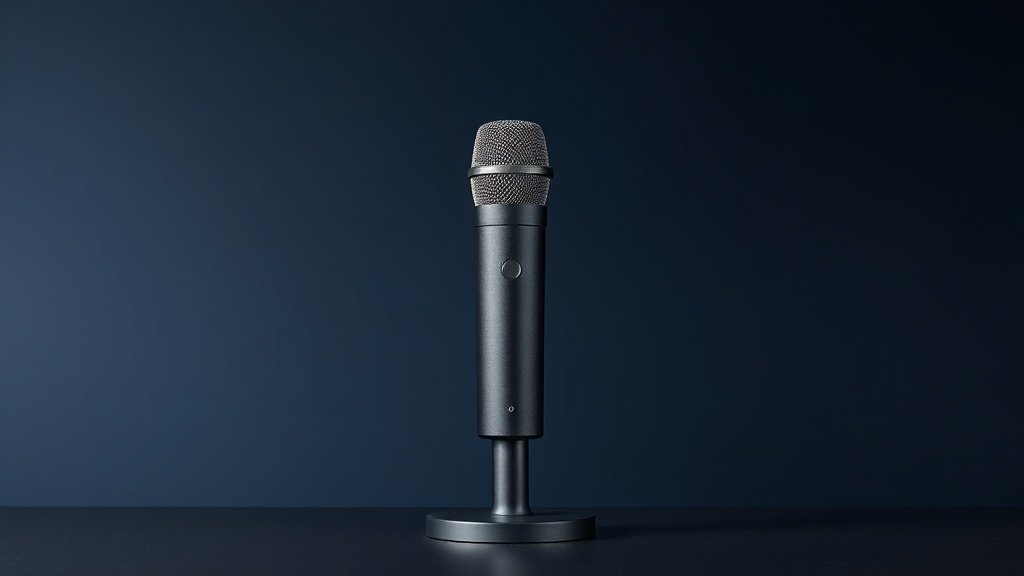
If you are shopping for a professional dynamic vocal microphone, the Shure SM58-LC and the Sennheiser E835 will almost certainly end up on your shortlist. Both are cardioid dynamic XLR mics aimed squarely at live vocalists, and both have earned a strong reputation on stages around the world. The question is not which one is ‘good’ — they both are — but which one suits your specific voice, gig, and workflow better.
In this comparison we put the Shure SM58-LC and the Sennheiser E835 side by side across the criteria that actually matter to a performing vocalist: sound character, handling noise, build quality, feedback rejection, and overall value. We have kept things practical so you can make a confident decision before you buy.
The SM58 is arguably the most recognised live vocal mic on the planet, making it a safe, battle-tested choice with decades of live-stage credibility behind it. The E835 is Sennheiser’s answer to that legacy — a mic that aims to offer a touch more clarity and presence, appealing to singers who want a slightly different sonic flavour. Read on to find out which one deserves a place in your mic bag.
Shure SM58-LC: the battle-hardened industry standard


The Shure SM58-LC is the lc (without cable) version of the iconic SM58, a handheld cardioid dynamic microphone that has been a fixture on live stages for decades. It is designed for singing, live performance, studio recording, podcast, and broadcast use, and its XLR connection means it slots into virtually any professional or semi-professional audio setup without fuss. The SM58 is the mic you will see in the hands of touring artists, pub bands, and festival headliners alike, which tells you a great deal about its versatility and durability.
The SM58’s greatest strengths are its legendary toughness and its predictable, well-mannered sound. The built-in spherical wind and pop filter does an excellent job of keeping plosives and breath noise under control, and the cardioid pickup pattern provides solid rejection of off-axis sound, making it very resistant to feedback on noisy stages. Sound engineers love it because they know exactly what they are going to get: a warm, slightly mid-forward character that sits well in a busy mix and is forgiving of less-than-perfect vocal technique.
One honest limitation is that the SM58’s famously warm, rounded sound can feel slightly lacking in top-end air and detail, particularly for vocalists with a bright or delicate timbre who want every nuance to cut through. It is a mic optimised for reliability and consistency rather than the last word in high-frequency sparkle. That said, for the vast majority of live vocal applications, that is a very reasonable trade-off.
Sennheiser E835: the clarity-focused challenger

The Sennheiser E835 is a professional dynamic cardioid vocal microphone from Sennheiser’s long-running ‘e’ series, designed specifically with live vocalists in mind. Like the SM58, it uses an XLR connection and requires no batteries or phantom power, making it equally at home plugged into a PA at a local venue or a touring rig. The E835 has carved out its own loyal following among vocalists who feel it offers a slightly more open, detailed sound compared to the dominant industry standard.
Where the E835 stands out is in its handling of vocal presence and clarity. Many singers find that it delivers a brighter, more forward-sounding result that helps their voice cut through a dense mix without as much EQ tweaking at the desk. The build quality is robust and purposeful — Sennheiser has clearly designed this mic to take the knocks of regular live use, and it feels solid in the hand. Its cardioid pattern also provides good feedback rejection, so it behaves sensibly on a loud stage.
The E835’s one limitation worth acknowledging is that its brighter character, while flattering for many voices, can be slightly less forgiving if your vocal tone is already harsh or if the PA system you are using has a tendency to sound brittle. It rewards a bit more care at the mixing desk in those situations. It is also slightly less universally ubiquitous than the SM58, which means fewer sound engineers will have an intimate familiarity with it from years of use — though this is a minor practical point rather than a technical flaw.
Head-to-head: SM58-LC vs E835
Sound character: The SM58-LC has a warm, mid-forward sound that is flattering for a wide range of vocal styles and tends to sit naturally in a live mix. The E835 leans brighter and offers a touch more presence in the upper-mid range, which many vocalists find helps their voice cut through more easily. Neither is objectively better — it comes down to your voice and your preference. Vocalists who want warmth and forgiveness tend to favour the SM58; those chasing clarity and detail often prefer the E835.
Feedback rejection: Both mics use a cardioid polar pattern designed to reject sound coming from behind and to the sides, and both perform well on a loud live stage. The SM58’s pattern and its built-in pop filter give it a slight edge in very chaotic live environments where the mic is being used at odd angles or with less-experienced vocalists. The E835 is also very capable here, but the SM58 has a slight reputation advantage for the most demanding feedback-prone situations.
Handling noise: Both mics incorporate measures to reduce the noise generated by hands gripping and moving the mic during performance. The SM58’s shock-mount system is well established and effective. The E835 similarly handles this well, and most vocalists will notice little practical difference between the two during a normal performance. This is essentially an even match.
Build quality and durability: The SM58 is famously rugged — there are apocryphal stories of SM58s surviving extraordinary abuse on tour. Its steel mesh grille and solid body have become a benchmark for live mic toughness. The Sennheiser E835 is also built to a high standard and feels sturdy in use, but the SM58’s near-mythological durability gives it a slight edge for buyers who genuinely put their gear through hard touring conditions.
Versatility of use: The SM58-LC is marketed for singing, live performance, studio recording, podcasting, and broadcast — a genuinely broad range of applications. The E835 is positioned primarily as a live vocal microphone. Both will perform adequately beyond their core use case, but if you need a single mic that moonlights across multiple contexts, the SM58 has the broader official remit.
Value: Both mics sit in a similar price bracket, and both represent strong value for professional-grade dynamic vocal microphones. Neither is significantly more expensive than the other. The SM58-LC ships without a cable, so factor that in if you need one. Both represent a sensible long-term investment for a working vocalist.
Frequently asked questions
Which has better sound quality — the Shure SM58 or the Sennheiser E835?
This depends on what you mean by ‘better.’ The SM58 delivers a warm, reliable, mid-forward character that is forgiving and sits well in a mix. The E835 offers a brighter, more present sound that many vocalists find more detailed. Neither is superior in absolute terms — the right choice depends on your voice and sonic preference. Try both if you can before committing.
Which is more durable for touring — the SM58 or the E835?
Both are built to withstand the rigours of regular live use, but the SM58 has a particularly legendary reputation for durability that has been proven over many decades of hard touring. The E835 is also solidly made and reliable, but if indestructibility is your top priority, the SM58 has the stronger track record.
Is the Sennheiser E835 worth choosing over the Shure SM58?
Yes, for the right vocalist. If your voice benefits from added presence and clarity, or if you find the SM58’s warmer sound slightly muddy for your tone, the E835 is absolutely worth considering. It is a professional-grade microphone in its own right, not merely a substitute for the SM58. The two are genuine alternatives rather than one being a clear upgrade over the other.
Which mic is better for feedback rejection on a loud stage?
Both the SM58 and the E835 use cardioid patterns and are designed with live stage use in mind, so both offer solid feedback rejection. The SM58 has a slight edge in very demanding, feedback-prone environments partly due to its built-in pop and wind filter. The E835 is close behind and will perform well on most stages without issue.
Can either mic be used for recording in a home studio as well as live performance?
Yes, both can. The SM58 explicitly lists studio recording and broadcast among its intended uses, making it a versatile option if you need one mic to cover multiple roles. The E835 is primarily marketed for live vocal use, though it will perform capably in a recording context too. For maximum flexibility across studio and stage, the SM58 edges ahead.
The verdict
Choose the Shure SM58-LC if you want the safest, most universally supported choice — a mic that every sound engineer knows how to get the best from, that can survive extraordinary punishment on the road, and that delivers consistent, warm, forgiving vocal sound across a huge range of styles and venues. It is also the smarter pick if you need one mic to do double duty across live performance, home recording, and podcasting.
Choose the Sennheiser E835 if you are a vocalist whose voice benefits from extra clarity and presence, and you want a mic that helps you cut through a busy mix without heavy EQ intervention. It is a strong live-performance tool with its own loyal following, and for the right singer it may feel like a more natural fit than the SM58’s warmer character.
If you are genuinely undecided, you would not go wrong with either. Both are professional-grade dynamic cardioid microphones that will serve a working vocalist reliably for years. The differences are real but subtle — the best way to settle it is to try each mic with your own voice in a live or rehearsal context and let your ears have the final say.
For more, browse all our reviews and roundups.
AudioTechExpert is reader-supported. This article contains affiliate links, and we may earn a commission on qualifying purchases at no extra cost to you.