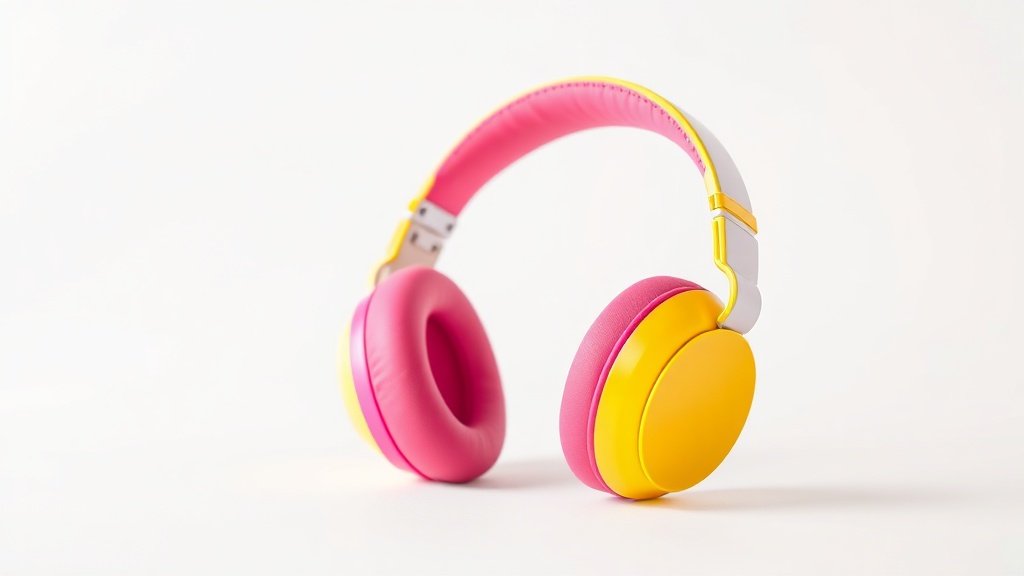
Most headphones designed for adults can permanently damage young hearing in under fifteen minutes of normal listening.
After years of obsessively buying, using and comparing audio gear, I have witnessed too many engineers develop hearing problems from inadequate protection during their formative years. Children face even greater risks because their ear canals are smaller and their hearing mechanisms are still developing.
This guide covers the essential factors for selecting headphones that protect young hearing while delivering comfortable, engaging audio for learning and entertainment. We will examine volume limiting technology, proper fit considerations, durability requirements, and real-world product examples that balance safety with performance.
Volume Limiting Technology and Hearing Protection
The most critical feature in any headphone designed for children is built-in volume limiting circuitry. Standard headphones can easily reach 110 decibels or higher, which causes permanent hearing damage in minutes. Quality children headphones incorporate electronic limiters that cap maximum output at 85 decibels, the level recommended by hearing professionals for extended listening.
Products like the Puro Sound Labs BT2200 and the JLab JBuddies Studio demonstrate effective implementation of this technology. These models use active limiting circuits rather than simple resistors, maintaining audio quality while preventing dangerous volume peaks. The Sony MDR-ZX110 lacks built-in limiting but works well with external volume control devices for budget-conscious families.
Some manufacturers offer adjustable limiting with parental controls. The Puro Sound Labs PuroQuiet provides both 85dB and 95dB settings, allowing parents to choose appropriate levels based on listening environment and duration. This flexibility proves valuable for older children who may need slightly higher volumes in noisy environments while maintaining protection during quiet study sessions.
Proper Fit and Comfort Considerations
Headphone fit directly affects both safety and sound quality. Poorly fitting headphones prompt children to increase volume levels to compensate for sound leakage, defeating volume limiting protections. Over-ear designs generally provide better isolation and comfort than on-ear models, which can create pressure points during extended wear.
The headband adjustment mechanism requires particular attention in children headphones. Quality models like the Audio-Technica ATH-M20x feature smooth, secure adjustment mechanisms that accommodate growing heads without loosening during active use. Avoid headphones with stiff adjustment mechanisms that require adult assistance or create uneven pressure distribution.
Ear cup padding material and thickness significantly impact long-term comfort. Memory foam padding covered in breathable fabric prevents heat buildup and maintains consistent seal around the ears. The Sennheiser HD 280 Pro, while designed for professional use, exemplifies excellent padding design that many children-specific models attempt to replicate at lower price points.
Volume limiting technology only works effectively when headphones maintain proper seal and fit throughout the listening session.
Build Quality and Durability Requirements
Children subject headphones to significantly more physical stress than adult users. Dropped units, twisted cables, and frequent transport require robust construction that maintains safety features under abuse. The hinge mechanisms connecting ear cups to headbands represent the most common failure point in budget children headphones.
Reinforced plastic construction proves more practical than metal components for most children applications. Metal hinges can break more catastrophically than quality plastic designs, and the weight difference affects comfort during extended wear. The JLab Audio JBuddies Studio uses reinforced polymer construction that balances durability with appropriate weight distribution.
Cable management presents another durability consideration. Detachable cables allow replacement when damaged, but the connection points must withstand repeated plugging and unplugging. Fixed cables eliminate connection failures but require complete unit replacement when damaged. Models like the Puro Sound Labs BT2200 address this through wireless connectivity, eliminating cable failure modes entirely while introducing battery management requirements.
Wireless vs Wired Considerations
Wireless headphones eliminate cable-related durability issues while introducing battery management and connectivity complexity. Young children may struggle with pairing procedures and battery monitoring, leading to frustration during critical learning activities. However, the elimination of cables prevents tangling and reduces physical failure points significantly.
Battery life becomes crucial for wireless children headphones. Units with less than twenty hours of playback create daily charging requirements that many families find impractical. The Puro Sound Labs BT2200 delivers 22 hours of playback with volume limiting active, providing multiple days of typical use between charges.
Wireless models should maintain volume limiting even when battery levels drop. Some budget wireless headphones disable limiting circuits to conserve power, creating safety risks during low battery operation. Quality implementations like those in JLab Audio wireless children models maintain protection circuitry until complete power exhaustion.
Age-Appropriate Feature Selection
Different age groups require different feature priorities in headphone selection. Younger children benefit from simpler controls and more robust construction, while older children may prefer advanced features like noise cancellation or wireless connectivity. The transition typically occurs around age eight to ten, when children develop sufficient responsibility for managing more complex devices.
For children under eight years old, prioritise maximum durability and foolproof volume limiting. Models like the JLab JBuddies Studio provide large, simple controls and robust construction without complex features that create confusion or additional failure points. The bright colour options help with identification and appeal to younger users without affecting acoustic performance.
Older children may benefit from features like active noise cancellation for use in noisy environments or during travel. The Puro Sound Labs PuroQuiet incorporates ANC technology while maintaining volume limiting, allowing focused listening without requiring volume increases to overcome background noise. This combination proves particularly valuable for educational content consumption in busy household environments.
Assuming all headphones marketed to children include effective volume limiting. Many products use marketing claims about hearing protection without implementing proper limiting circuitry. Always verify specific volume limiting specifications and test maximum output levels before allowing unsupervised use.
Selecting headphones based primarily on appearance rather than fit and comfort. Attractive designs mean nothing if poor fit causes children to increase volume levels or abandon the headphones entirely. Prioritise proper sizing and comfort features over cosmetic preferences.
Ignoring cable management and durability factors in favour of lowest price options. Cheap headphones that fail quickly cost more than quality units over time and may fail in unsafe ways that defeat volume limiting protections. Invest in proper construction that maintains safety features throughout the product lifespan.
Conclusion
Selecting appropriate headphones for children requires balancing hearing protection, comfort, and durability considerations that differ significantly from adult requirements. Effective volume limiting, proper fit, and robust construction form the foundation of any suitable children headphone choice, with additional features selected based on age-appropriate needs and family usage patterns.
FREE DOWNLOAD
Stop Guessing. Start Buying Smart.
The specs that actually matter, demystified.
Headphones, microphones, the spec sheet jargon you can ignore — all in one quick-reference PDF. Free, instant, no fluff.
Send Me the CheatsheetYou'll also receive occasional new guide notifications. Unsubscribe anytime. No spam, ever.