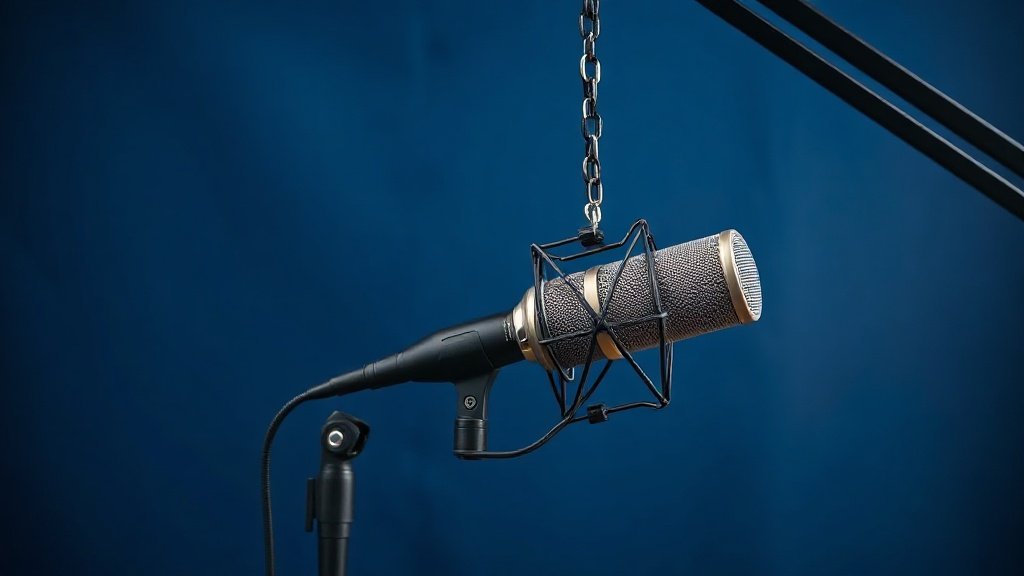
A single footstep or desk bump can destroy an otherwise flawless vocal take, turning professional recordings into unusable noise.
Shock mounts solve one of the most overlooked problems in recording: mechanical vibration transfer. These suspension systems isolate microphones from physical disturbances that travel through floors, walls, and stands directly into the capsule. Without proper isolation, every keyboard tap, chair adjustment, and building vibration becomes part of your recording.
This guide explains how shock mounts work, when they become essential, and how to choose the right model for different microphone types and recording situations. We will cover mounting compatibility, suspension designs, and the specific scenarios where shock mounts prevent recording disasters.
How Shock Mounts Work
Shock mounts use elastic suspension to decouple microphones from their stands and surrounding structures. The microphone sits in a cradle or ring suspended by rubber bands, elastic cords, or flexible polymer strips. When vibrations travel up through the stand or floor, the elastic elements absorb and dissipate the energy before it reaches the microphone capsule.
The Rycote InVision series demonstrates this principle clearly. The microphone cradle floats on Lyre suspension elements made from flexible thermoplastic. These elements bend and flex to absorb vibrations while maintaining the microphone position. The Audio-Technica AT8458 uses a similar approach with elastic bands in a traditional spider design, creating multiple isolation points around the microphone body.
Effective isolation requires matching the suspension stiffness to the microphone weight and expected vibration frequencies. Heavier microphones need stiffer suspension to prevent excessive movement, while lighter mics can use softer elements for better low-frequency isolation. The Shure A25D exemplifies this balance, designed specifically for the SM58 and similar dynamic microphones with appropriate spring tension.
When Shock Mounts Become Essential
Condenser microphones with high sensitivity require shock mounts in most recording situations. These microphones pick up vibrations that dynamic mics would ignore completely. The Neumann U87, for example, ships with the EA87 shock mount because the microphone sensitivity makes it vulnerable to any mechanical disturbance. Home studios built over wooden floors or in multi-storey buildings particularly benefit from shock mount isolation.
Recording scenarios involving performer movement make shock mounts critical. Vocalists who gesture, guitarists who tap their feet, or any recording situation where people move around the microphone create vibrations through the floor and stand. Podcast recording with multiple participants generates constant small movements that accumulate into audible low-frequency rumble without proper isolation.
Desktop recording setups present unique challenges that shock mounts address effectively. Computer fans, hard drives, and typing create continuous vibration through desk surfaces. The Rode PSM1 shock mount works well for desktop podcast setups, isolating microphones from typing and mouse clicks that would otherwise dominate the recording.
Every keyboard tap and chair adjustment becomes part of your recording without proper mechanical isolation.
Choosing the Right Shock Mount
Microphone compatibility determines shock mount selection more than any other factor. Thread mounting, microphone diameter, and weight capacity must match exactly. The Rode PodMic uses a standard 5/8-inch thread but requires a shock mount designed for its specific diameter and weight distribution. Generic shock mounts may fit the thread but fail to provide proper support or isolation.
Suspension design affects isolation performance across different frequency ranges. Traditional spider mounts with elastic bands excel at isolating high and mid-frequency vibrations but may allow some low-frequency transmission. The Aston Microphones SwiftShield uses a unique leaf-spring design that provides more consistent isolation across a broader frequency range, particularly effective for floor-borne vibrations.
Some microphones integrate shock mounting into their design. The Electro-Voice RE20 includes internal shock mounting that reduces the need for external isolation in many situations. However, external shock mounts still provide benefits in high-vibration environments or when ultimate isolation becomes necessary for critical recordings.
Installation and Positioning
Proper shock mount installation requires attention to balance and tension. The microphone should sit level in the mount without tilting or putting excessive stress on any single suspension point. Over-tightening adjustment screws can reduce isolation effectiveness by creating rigid connection points that transmit vibrations directly to the microphone.
Microphone positioning within the shock mount affects both isolation and handling convenience. The microphone should clear all parts of the mount frame when positioned for optimal pickup patterns and vocalist comfort. Some mounts like the Neumann EA4 provide multiple positioning options to accommodate different recording angles while maintaining isolation effectiveness.
Cable management becomes important with shock-mounted microphones. XLR cables should have enough slack to avoid transmitting cable movement to the microphone, but not so much that cables contact the suspension elements or interfere with the isolation system. Proper cable routing prevents the cable weight from affecting microphone positioning within the mount.
Maintenance and Longevity
Elastic suspension elements wear out over time and require periodic replacement. Rubber bands and elastic cords lose tension with age, reducing isolation effectiveness. The Rycote replacement Lyre elements for InVision mounts provide a clear upgrade path, but traditional spider mounts may require complete replacement when elastic bands fail.
Environmental factors affect shock mount lifespan significantly. Heat, humidity, and ozone exposure degrade rubber and elastic materials faster than controlled studio environments. Home studios in basements or rooms with poor climate control may see shortened suspension element life, making replacement part availability an important consideration when selecting shock mounts.
Regular inspection helps identify wear before complete failure. Elastic elements showing cracks, permanent stretching, or loss of tension should be replaced immediately. Degraded suspension not only reduces isolation but can fail completely during recording sessions, potentially damaging expensive microphones through sudden drops or impacts.
Using generic shock mounts without checking microphone compatibility. Thread pitch and diameter must match exactly, and weight capacity should exceed microphone specifications by a comfortable margin. Always verify compatibility with manufacturer specifications before purchasing.
Over-tightening shock mount adjustment screws and clamps. Excessive clamping force creates rigid connections that transmit vibrations directly to the microphone, defeating the isolation purpose. Tighten only enough to secure the microphone safely.
Ignoring suspension element maintenance and replacement schedules. Worn elastic elements provide minimal isolation and can fail suddenly during sessions. Replace suspension components at the first sign of degradation rather than waiting for complete failure.
Conclusion
Shock mounts provide essential vibration isolation for sensitive microphones in most recording environments. Choose models with proper compatibility, appropriate suspension design for your applications, and available replacement parts for long-term reliability. Proper installation and maintenance ensure consistent isolation performance and protect valuable microphones from mechanical damage.
FREE DOWNLOAD
Stop Guessing. Start Buying Smart.
The specs that actually matter, demystified.
Headphones, microphones, the spec sheet jargon you can ignore — all in one quick-reference PDF. Free, instant, no fluff.
Send Me the CheatsheetYou'll also receive occasional new guide notifications. Unsubscribe anytime. No spam, ever.