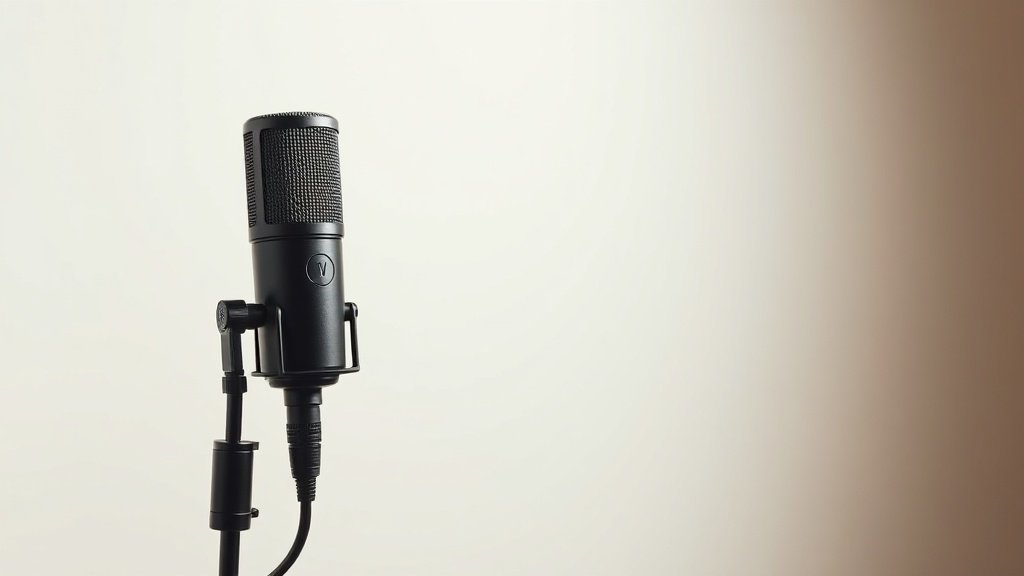
The microphone specification that matters most sits quietly at the bottom of spec sheets, yet determines whether your recordings sound professional or plagued with unwanted hiss.
Self-noise represents the electrical hiss a microphone generates internally, even when placed in complete silence. This inherent noise floor becomes the foundation upon which all your recordings sit, making it one of the most critical specifications for any serious recording application.
Understanding self-noise measurements, how they affect different recording scenarios, and which levels work best for various applications will help you choose microphones that deliver clean recordings without compromising your audio quality.
Understanding Self-Noise Measurements
Self-noise appears on specification sheets as a decibel measurement, typically expressed as dB-A weighted or equivalent input noise. The Shure SM7B lists 20 dB-A self-noise, while the Neumann U87 Ai specifies 12 dB-A. These numbers represent the electrical noise the microphone produces when no sound source is present, measured using A-weighting that mimics human hearing sensitivity.
Lower numbers indicate quieter microphones with less inherent noise. A microphone with 8 dB self-noise will produce cleaner recordings than one with 18 dB self-noise, particularly important when recording quiet sources or working in acoustically treated environments where room noise does not mask the microphone noise floor.
The measurement reflects thermal noise from electronic components within the microphone circuit, including the capsule, preamp circuitry, and output stage. Higher quality components and circuit designs typically result in lower self-noise figures, which explains why premium microphones often specify impressively low noise floors.
How Self-Noise Affects Recording Quality
Self-noise becomes audible during quiet passages, between spoken words, or when recording acoustic instruments at moderate levels. The Rode PodMic with 20 dB self-noise works well for close-proximity vocal recording where the speaker maintains consistent proximity, but struggles with quiet acoustic guitar fingerpicking recorded at arm’s length.
Digital audio workstations make self-noise more apparent during editing. When you boost quiet recordings by 10-15 dB to achieve proper levels, you simultaneously boost the self-noise floor. A microphone with 15 dB self-noise becomes effectively 25-30 dB when the recording requires significant gain recovery, potentially creating noticeable hiss throughout the final mix.
Professional recording scenarios demand microphones with self-noise below 15 dB-A. The Audio-Technica AT4050 at 12 dB self-noise handles classical music recording, where dynamic range spans from barely audible passages to full orchestral crescendos, without adding noticeable noise during the quiet sections that would require extensive noise reduction processing.
Self-noise determines the difference between recordings that sound professional and those that require constant noise reduction processing.
Practical Self-Noise Levels for Different Applications
Podcast recording tolerates higher self-noise levels because human speech naturally masks electrical noise, and most podcast delivery formats use compression that reduces dynamic range. The Electro-Voice RE20 with 18 dB self-noise works perfectly for broadcast applications where speakers maintain consistent proximity and vocal energy levels stay relatively high throughout the recording.
Music recording demands much lower self-noise specifications. Classical recording, folk music, or jazz requires microphones with self-noise below 12 dB-A. The Neumann TLM 103 with 7 dB equivalent noise level captures piano, acoustic guitar, or vocal performances without adding audible noise during soft passages that would distract listeners or require noise reduction processing that affects the natural sound quality.
Home studio recording sits between these extremes. The Audio-Technica AT2020 with 16 dB self-noise provides adequate performance for singer-songwriter material recorded in moderately treated rooms, where some ambient noise helps mask the microphone noise floor, but becomes problematic for intimate vocal recordings or quiet acoustic instruments where every detail matters.
Choosing Microphones Based on Self-Noise Requirements
Recording environment noise levels help determine acceptable microphone self-noise specifications. A home studio with 35 dB ambient noise can accommodate microphones with 18-20 dB self-noise because the room noise masks the microphone noise floor. Professional studios with 25 dB ambient noise require microphones with self-noise below 12 dB to maintain clean recordings.
Source material dynamic range also influences microphone selection. Rock vocals recorded with high energy and consistent levels work fine with the Shure SM7B despite its 20 dB self-noise, because the vocal performance level stays well above the noise floor. Classical piano recording requires the AKG C414 XLII with 10 dB self-noise to capture delicate pianissimo passages without introducing audible electrical noise.
Preamp gain requirements compound self-noise issues. Ribbon microphones like the Royer R-121 specify excellent self-noise figures but require 60+ dB of clean preamp gain, potentially introducing more noise from the preamp than the microphone itself. Dynamic microphones with moderate self-noise but higher output levels often produce cleaner results with typical preamp configurations than low-noise microphones requiring excessive gain stages.
Measuring and Managing Self-Noise in Practice
Testing self-noise requires placing the microphone in a quiet environment and recording several seconds of silence at normal gain settings. Quality headphones reveal whether the noise floor sounds acceptable or requires attention. The noise should remain barely audible during quiet listening and completely masked when musical content plays at normal levels.
Noise reduction software can address moderate self-noise issues, but always affects audio quality to some degree. iZotope RX removes obvious electrical noise but introduces subtle artifacts that become apparent in critical listening situations. Choosing microphones with appropriate self-noise specifications for your applications eliminates the need for corrective processing that degrades the original recording quality.
Multiple microphone setups compound self-noise problems. Recording drums with eight microphones means eight individual noise floors combining in the final mix. Each microphone should have self-noise low enough that the combined noise from all microphones remains below acceptable levels, typically requiring individual microphones with self-noise figures 10-15 dB lower than what would work for single microphone recording.
Ignoring self-noise specifications when purchasing microphones leads to recordings with audible hiss that requires constant noise reduction processing. Always check self-noise figures against your recording requirements rather than focusing solely on frequency response or brand reputation.
Assuming expensive microphones automatically have low self-noise can result in disappointment with popular models that prioritise other characteristics. Some broadcast microphones sacrifice low noise for rugged construction and feedback rejection, making them unsuitable for quiet recording applications despite their professional reputation.
Believing that noise reduction software completely solves self-noise problems creates false confidence in microphone selection. Software noise reduction always introduces artifacts and processing delays, making it better to choose appropriate microphones initially rather than relying on corrective measures during post-production.
Conclusion
Self-noise determines whether your microphones capture clean recordings or require constant noise reduction processing that degrades audio quality. Check self-noise specifications against your recording requirements, considering source material, recording environment, and preamp capabilities to ensure your microphone choices support professional results without introducing unwanted electrical noise.
FREE DOWNLOAD
Stop Guessing. Start Buying Smart.
The specs that actually matter, demystified.
Headphones, microphones, the spec sheet jargon you can ignore — all in one quick-reference PDF. Free, instant, no fluff.
Send Me the CheatsheetYou'll also receive occasional new guide notifications. Unsubscribe anytime. No spam, ever.