The difference between a mixing decision you trust and one you second-guess almost always comes down to what you are hearing through, and below 300 pounds there is more genuine quality available than most people realise.
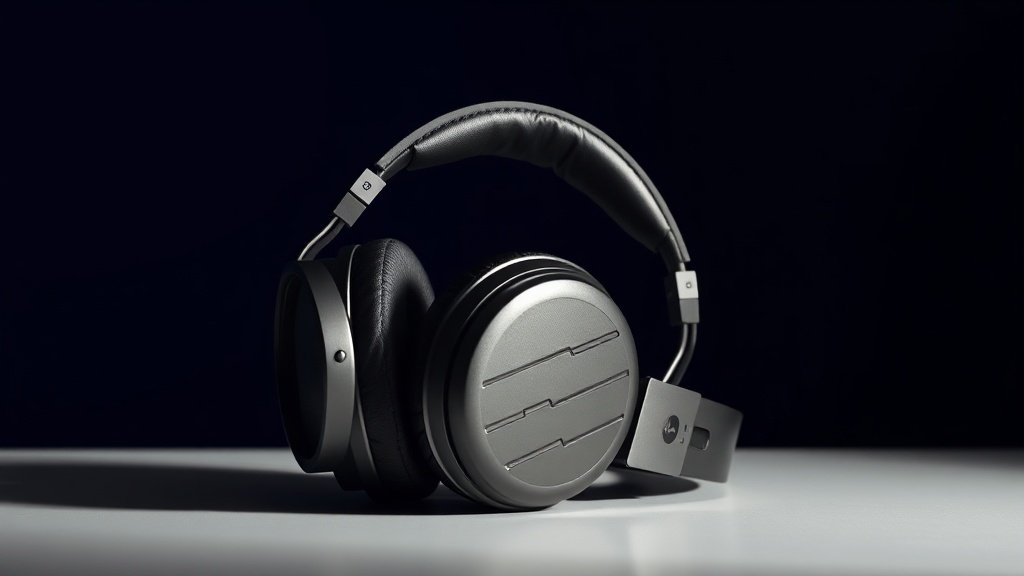
Studio monitor headphones are not the same thing as headphones marketed for listening pleasure. The distinction matters enormously when you are making decisions that affect a final recording or mix. A consumer pair is designed to flatter music, boosting bass and adding brightness to make everything sound exciting. A studio monitor headphone is designed to reveal what is actually there, including the things you would rather not hear.
This guide covers the core criteria you need to evaluate before spending money: frequency response and what flatness actually means in practice, impedance and how it interacts with your source gear, driver design and its effect on transient accuracy, physical comfort over long sessions, and the difference between closed-back and open-back designs. Real products appear throughout as examples of how these principles play out, not as endorsements.
Understanding Frequency Response and What Flat Actually Means
Every manufacturer publishes a frequency response graph, and almost every one of them claims their headphone is flat or neutral. The reality is more complicated. True flatness in headphone measurement is a contested concept because the ear canal and pinna create resonances that alter perceived frequency response even before sound reaches the eardrum. A headphone that measures perfectly flat on a test rig may actually sound thin or harsh to a human listener.
What you are looking for is a response that does not have large peaks or troughs in the midrange, which is where the majority of musical information lives. A gentle roll-off in the sub-bass is acceptable and often preferable to an artificial extension that introduces mud into a mix. The Sennheiser HD 600, which sits comfortably under 300 pounds, has become a reference point precisely because its measured midrange is consistent and its colouration is well documented, meaning engineers who use it regularly know exactly how to interpret what they hear.
Be cautious of headphones with a pronounced V-shaped response, where bass and treble are lifted relative to the midrange. These can sound impressive on first listen and are completely misleading for mixing work. The AKG K702 is another example in this price range worth studying because its slightly forward upper midrange, while not perfectly flat, is consistent and predictable, which is what experienced engineers need.
Impedance and Sensitivity: Matching Headphones to Your Source
Impedance is one of the most practically misunderstood specifications in studio headphones. It is measured in ohms and describes the electrical resistance the headphone presents to the amplifier driving it. Higher impedance headphones, typically above 150 ohms, require more voltage to reach a usable listening level. Lower impedance headphones, typically below 50 ohms, are easier to drive but more sensitive to noise and output impedance from the source.
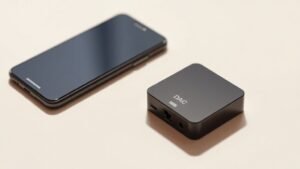
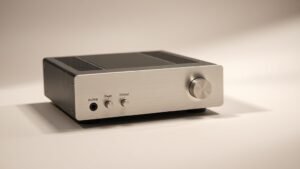
The Sennheiser HD 650 is rated at 300 ohms. Plugging it directly into a laptop headphone output will produce quiet, lifeless sound with compressed dynamics. The same headphone through a dedicated headphone amplifier or a quality audio interface such as the Focusrite Scarlett Solo transforms into something considerably more detailed and dynamically alive. If your studio setup already includes an interface with a proper headphone output, higher impedance models are entirely viable under 300 pounds. If you are working from a phone or a basic dongle DAC, lower impedance models in the 32 to 80 ohm range will serve you better without additional investment.
Sensitivity is the related figure, usually expressed in decibels per milliwatt. A headphone with 96 dB sensitivity at 1 milliwatt will reach moderate listening levels from a weak source. One rated at 104 dB will do the same from an even weaker signal. For studio work, sensitivity matters less than impedance matching because you are almost always working with a proper interface or amplifier, but it becomes relevant when you are monitoring on location or away from your main setup.
A headphone you can wear for six hours without discomfort will always outperform a technically superior model that forces you off your ears every forty minutes.
Open-Back versus Closed-Back for Studio Work
This is not a binary question of which is better. The two designs serve genuinely different purposes and the honest answer is that a serious studio setup benefits from having access to both. Open-back headphones bleed sound into the room and pick up ambient noise from outside. Closed-back headphones isolate, creating a sealed environment that prevents bleed onto microphones and blocks external sound.
For mixing and critical listening in a quiet environment, open-back designs generally offer superior soundstage and a less fatiguing listening experience. The Beyerdynamic DT 990 Pro is a widely used open-back model under 300 pounds with an energetic high-frequency character that some engineers appreciate for detail work and others find tiring over long sessions. The Audio-Technica ATH-R70x offers a more neutral open-back presentation and at around 200 pounds represents strong value for monitoring use.
For tracking, where a performer needs to hear a cue mix while recording through a microphone, closed-back is the only sensible choice. The Beyerdynamic DT 770 Pro has been a studio standard in this role for years. Its closed design provides around 18 to 20 dB of passive isolation, enough to prevent significant bleed onto a vocal or instrument microphone. The Sony MDR-7506 is another closed-back model with a long professional track record for tracking and location work, though its upper midrange peak around 8 to 10 kHz means you need to understand its character before mixing on it regularly.
Driver Design and Transient Accuracy
The vast majority of headphones under 300 pounds use dynamic drivers, which move a diaphragm via electromagnetic force. Within this category, the quality of the driver implementation varies enormously. What you are listening for when evaluating transient accuracy is how a headphone handles fast-attack sounds: a snare crack, a plucked string, the initial consonant of a vocal. A driver with poor transient response smears these events slightly, making them sound softer or less defined than they are on the recording.
Planar magnetic headphones, which use a thin membrane suspended in a magnetic field rather than a traditional cone driver, are recognised for their transient accuracy and low distortion. The Hifiman HE400se brings planar magnetic technology below 150 pounds, which is a remarkable price point for the technology. The trade-off is that planar magnetic designs tend to require more amplification power than similarly priced dynamic driver headphones, so the total system cost needs to be factored in if your interface output is underpowered.
For dynamic driver headphones, the size and material of the diaphragm matter. Large circumaural drivers, those that sit around the ear rather than on it, generally produce more accurate bass reproduction because the driver has more room to move air at low frequencies without the acoustic loading effect of the ear canal. This is one reason why over-ear closed-back headphones with large driver housings tend to produce more reliable low-end response than compact or on-ear designs in the same price range.
Comfort and Build Quality Over Long Sessions
Engineers and producers often underestimate how much physical comfort affects mixing decisions. When your ears are hot, the clamping force is creating jaw tension, or the headband is pressing on your skull, you begin making mix decisions based on discomfort rather than sound. You turn things down or up to escape listening rather than because the mix requires it.
Ear pad material makes a substantial difference. Velour pads, as used on the Beyerdynamic DT series and the Sennheiser HD series, allow air circulation and reduce heat build-up during extended sessions. Pleather or synthetic leather pads create better passive isolation but trap heat noticeably faster. Some headphones offer interchangeable pads, which is a practical advantage if you work in different contexts: tracking sessions where isolation matters and mixing sessions where comfort over hours matters more.
Clamping force is a function of headband spring tension and is one of the harder things to judge from a specification sheet. The Beyerdynamic DT 770 Pro has a relatively firm clamp that some users find reassuring for stability during movement but others find uncomfortable over time. The Sennheiser HD 600 has a lighter, more open clamp that feels immediately comfortable but can feel loose during anything other than seated work. Build quality in this price range should include a replaceable cable, replaceable ear pads, and a robust headband mechanism. All of the models mentioned in this guide meet that standard.
Choosing headphones based on a single frequency response graph without understanding measurement methodology is a common and costly error. Headphone measurements vary significantly depending on the test fixture used, and a graph from one source is not directly comparable to a graph from another. Use multiple sources and prioritise listening reports from engineers who work in a context similar to your own.
Assuming that a higher price always indicates a better tool for studio work leads engineers toward headphones optimised for audiophile listening rather than professional monitoring. Several headphones above 300 pounds are voiced with pleasing colouration that makes them enjoyable to own but misleading to mix on. Within the under-300-pound bracket, well-established professional tools often outperform newer audiophile-adjacent products for studio accuracy.
Neglecting the impedance and amplification requirements of a headphone before purchase results in wasted investment and poor performance. A 300-ohm headphone driven by a laptop output does not represent what that headphone can do. Before committing to a high-impedance model, confirm that your interface or amplifier has a headphone output rated to drive it properly. Most interface manufacturers publish output impedance figures in their specifications.
Conclusion
Under 300 pounds, the choices for genuine studio monitor headphones are stronger than they have ever been. The key is to match the design to its intended use, understand the impedance requirements of your source gear, and prioritise consistency of response over impressive first impressions. A headphone you know well, with all its particular character and limitations, is a more reliable mixing tool than one that simply sounds flattering on first audition.

FREE DOWNLOAD
Stop Guessing. Start Buying Smart.
The specs that actually matter, demystified.
Headphones, microphones, the spec sheet jargon you can ignore — all in one quick-reference PDF. Free, instant, no fluff.
Send Me the CheatsheetYou'll also receive occasional new guide notifications. Unsubscribe anytime. No spam, ever.