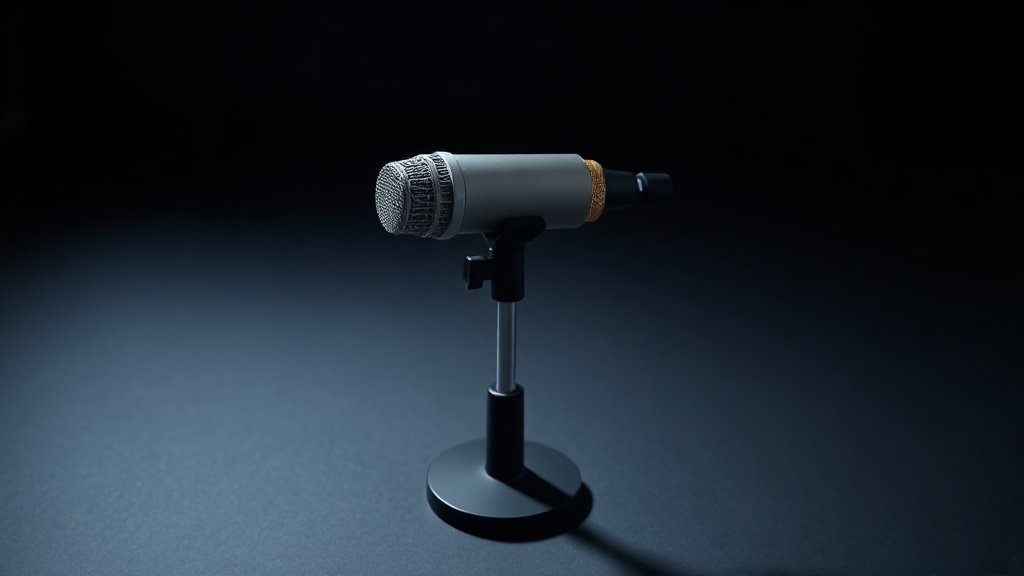
Finding a microphone that genuinely suits voice over work is harder than it looks. The market is flooded with mics that promise studio quality but deliver muddy, noisy recordings the moment you hit record. What you actually need is something that captures your voice cleanly, fits your setup — whether that is USB into a laptop or XLR into a proper interface — and does not require a degree in audio engineering to get working.
This guide cuts through the noise (literally) and ranks the best options available right now for voice over work in 2026. Every pick here has been selected for its suitability to spoken-word recording: clear cardioid or dynamic capture, practical controls, and a sensible price point. Whether you are just starting out or looking to upgrade from a basic headset, there is something here for you.
We have kept this list tight — six well-differentiated picks covering budget-friendly USB options, dual-connection dynamic mics, and full studio condenser kits. Each one is assessed honestly, trade-offs included.
Best overall: FIFINE K669B

The FIFINE K669B is a USB condenser microphone built specifically for the kind of tasks voice over artists actually do: recording vocals, producing voice overs, joining online meetings, and creating content for platforms like YouTube. It connects via USB directly to Mac or Windows machines with no drivers required, which means zero setup faff and more time actually recording.
Its cardioid pickup pattern is ideal for voice over use — it focuses on what is directly in front of it and rejects sound coming from the sides and rear. That is exactly what you want when you are reading a script in a less-than-perfect home recording space. The metal construction gives it a reassuringly solid feel for the price, and it sits comfortably in the ‘more affordable end of this list’ bracket.
The honest limitation here is that, as a condenser microphone, it will pick up more room ambience than a dynamic mic would. If your recording space has obvious echo or background noise, you will need to treat the room or position yourself carefully.
Buy this if: you want a no-fuss plug-and-play USB condenser for voice over and content creation without spending a lot.
Best dual-connection kit: FIFINE K688

The FIFINE K688 is a dynamic microphone that gives you both USB and XLR connectivity in one unit — a genuinely useful feature if you are starting out on USB but plan to move to an audio interface down the line. It ships as a full kit with a boom arm included, so you can get it positioned correctly without buying extra accessories.
Dynamic mics are the voice over professional’s friend because they are naturally less sensitive to room reflections and background noise than condensers. You do not need a treated studio to get a usable recording. The K688 adds a mute button and a headphone jack for real-time monitoring — both practical features that experienced voice artists will appreciate immediately.
The trade-off is that the dynamic capsule will sound slightly less ‘airy’ and detailed than a large-diaphragm condenser at the same price. For broadcast-style and commercial voice over that is often a feature rather than a bug, but if you want an especially shimmery, detailed vocal sound you may find it a touch dry.
Buy this if: you want a flexible dynamic mic kit that works now over USB and can grow into an XLR setup later.
Best bundle with headphones: MAONO AU-A04H
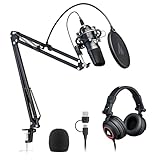

The MAONO AU-A04H bundles a USB condenser microphone with a studio headphone set, making it one of the most complete starter packages on this list. For voice over beginners, this matters: you genuinely need headphones to monitor your own voice as you record, and buying them separately always adds cost. Getting both in one box at a competitive price is a sensible move.
The condenser capsule uses a cardioid pattern and supports high-resolution audio at up to the rate mentioned in its title — which puts it above the bare minimum you would expect at this price tier. It works with both Mac and Windows, and the USB connection means no interface is needed. It is a strong pick for anyone moving into voice over, gaming commentary, or live streaming who wants to start properly without buying piecemeal.
One limitation to be aware of: bundled headphones are typically functional rather than exceptional, and the microphone, while capable, will not outperform dedicated mics at a higher price point. Think of this as a quality launchpad, not a long-term professional rig.
Buy this if: you are new to voice over and want a complete USB microphone and headphone setup in a single, cost-conscious purchase.
Best RGB dynamic option: MAONO PD200XS

The MAONO PD200XS is a dynamic microphone with both XLR and USB connectivity, RGB lighting, dedicated software support, a mute button, gain knob, and volume control — all wrapped into one unit that ships with a boom arm. It is clearly aimed at content creators who want a capable, visually striking mic that also performs well for voice over and streaming use.
The dual-connection flexibility mirrors what the FIFINE K688 offers, but the MAONO PD200XS differentiates itself with its companion software and RGB feature. If you record video content where your desk setup is visible — YouTube, streaming, video voice over — the aesthetics are a genuine consideration, not vanity. The dynamic capsule keeps background noise manageable without heavy acoustic treatment.
The limitation is that if you have no interest in RGB or software control, you are paying for features you will never use. In that case, a simpler dynamic mic may represent better value for pure voice over work.
Buy this if: you want a dual-connection dynamic mic with visual flair and software control for content creation alongside voice over.
Best budget entry point: ZealSound K66

The ZealSound K66 is the most accessible pick on this list, designed for compatibility across iPhone, PC, and Android — which immediately makes it the most flexible option for creators who record across multiple devices. It includes a gain knob, volume adjustment, mute button, real-time monitoring, and an echo effect, all in a compact white unit aimed squarely at ASMR creators, podcasters, and social media content producers.
For voice over beginners recording voiceovers for TikTok, YouTube, or simple narration projects, the K66 offers everything you need to get started without a meaningful financial commitment. The noise cancellation feature is a practical bonus for anyone recording in a living space rather than a dedicated studio.
The honest trade-off is that the echo and monitoring features, while fun, point towards a product designed partly for casual content creation rather than professional voice over delivery. The build quality and audio ceiling will be lower than the dynamic or studio condenser options elsewhere on this list. If your ambitions grow, you will likely want to upgrade.
Buy this if: you are a beginner recording voice overs for social media content and want the most affordable multi-device option available.
Best XLR condenser kit: Studio Microphone B0GDZSD14Z

This professional cardioid XLR condenser microphone comes as a voice over kit with a desktop stand, making it a straightforward choice for anyone who already has — or plans to buy — an audio interface. Condenser microphones in the XLR category tend to deliver the most detailed and nuanced vocal recordings, which is why they remain the default choice in professional voice over studios worldwide.
The cardioid polar pattern keeps the focus on your voice, and the kit format means you have what you need to get started with a proper XLR signal chain. The desktop stand keeps your desk relatively uncluttered compared to a full boom arm setup, which suits home office recording environments.
The key limitation is that an XLR microphone requires a separate audio interface or mixer to connect to a computer — that is an additional purchase not included in this kit. If you are not yet ready to invest in an interface, one of the USB options on this list will get you recording sooner.
Buy this if: you already have an audio interface and want a proper XLR condenser kit for high-quality home studio voice over recordings.
How to choose your voice over microphone
USB versus XLR: USB microphones plug directly into a computer and need no additional hardware — ideal for beginners or anyone who records on a laptop. XLR microphones require a separate audio interface, but they give you more control over your signal and tend to produce higher-quality recordings. If you are just starting out, USB is the sensible choice. If you are serious about voice over as a profession, an XLR setup is worth the extra investment.
Dynamic versus condenser: Condenser microphones are more sensitive and capture fine detail in your voice, but they also pick up more room noise and reflections. Dynamic microphones are less sensitive, which makes them more forgiving in untreated rooms. For home recording without acoustic panels, a dynamic mic will often give you cleaner, more usable results straight away.
Polar pattern: For voice over, you almost always want a cardioid pattern. It picks up sound from directly in front of the microphone and rejects sound from the sides and rear, which minimises background noise and room reflections — both common problems in home recording spaces.
Connectivity and monitoring: A headphone jack on the microphone itself allows you to listen to your voice in real time as you record, which is invaluable for catching mistakes and adjusting your delivery. A mute button is equally useful for voice over sessions where you need to pause without stopping your recording software. Look for both if you plan to record regularly.
Kits versus standalone mics: Some of the options here ship with boom arms, headphones, pop filters, or shock mounts. If you are setting up from scratch, a kit can save money and the hassle of sourcing compatible accessories separately. If you already have stands and monitoring equipment, a standalone microphone may offer better value.
Frequently asked questions
Do I need an XLR microphone for professional voice over work?
Not necessarily. Many professional voice artists record on high-quality USB microphones without any loss of commercial viability. XLR setups offer more flexibility and headroom as your career grows, but a good USB condenser or dynamic mic is entirely capable of producing broadcast-ready voice over audio, especially with decent acoustic treatment around you.
Is a condenser or dynamic microphone better for voice over?
Both work well, but they suit different situations. Condensers capture more detail and warmth in a treated space; dynamic mics handle noisy or untreated rooms more gracefully. For a home office or spare bedroom setup with no acoustic panels, a dynamic microphone will often give you cleaner results with less effort. For a proper home studio, a condenser is the more common professional choice.
What is the point of a cardioid polar pattern for voice over?
A cardioid pattern picks up sound primarily from in front of the microphone and rejects sound from behind and to the sides. In practice, this means your voice is captured clearly while keyboard noise, air conditioning hum, and room reflections are suppressed. For voice over — where vocal clarity is everything — cardioid is almost always the right choice.
Do I need acoustic treatment to record good voice overs at home?
Acoustic treatment helps significantly, but it is not always essential. A dynamic microphone in a small, carpeted room with soft furnishings can produce surprisingly clean results. If you are using a condenser, some basic treatment — even a thick duvet or acoustic panels — will make a noticeable difference to the quality and professionalism of your recordings.
Can I use a gaming or podcasting microphone for voice over?
Yes, and several picks on this list prove it. Many microphones designed for gaming, podcasting, and streaming use the same capsule types and polar patterns as dedicated voice over microphones. The key factors are the same: cardioid pickup, clean capsule quality, and a sensible gain structure. Marketing labels matter less than what is actually inside the microphone.
The verdict
The FIFINE K669B is our top overall pick: a clean USB condenser with a proven cardioid capsule that covers the vast majority of voice over use cases without complications. For the best combination of features, flexibility, and value across the list, the MAONO AU-A04H bundle stands out — giving beginners a complete recording and monitoring setup in one sensible purchase.
For more, browse all our reviews and roundups.
AudioTechExpert is reader-supported. This article contains affiliate links, and we may earn a commission on qualifying purchases at no extra cost to you.