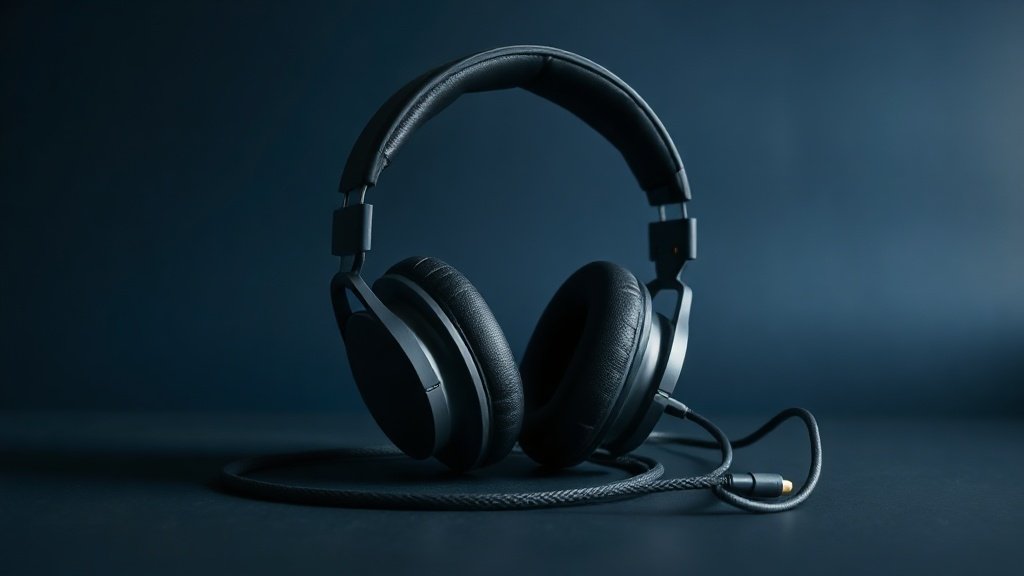
Getting your mix to translate well across speakers, earbuds, and car stereos starts with what you hear during the process. If your headphones flatter the low end or gloss over harsh high-mids, your finished track will sound wrong everywhere else. That is the core problem this guide solves.
We have gone through the available options and ranked the best studio headphones for mixing in 2026, from a legendary audiophile open-back to solid budget-friendly workhorses. Whether you are tracking vocals at home, editing a podcast, or dialling in a DJ set, there is a pair here suited to your workflow and wallet.
This list is for producers, engineers, podcasters, and musicians who want honest, accurate sound rather than consumer-tuned bass boost. Every pick below gets a straight-talking write-up, including the one real trade-off you should know before buying.
Best overall: beyerdynamic DT 990 Pro X

The beyerdynamic DT 990 Pro X is an open-back, over-ear studio monitor headphone built specifically for mixing, editing, and critical listening. It carries the Pro X designation, runs at a studio-friendly 48 ohm impedance, and is assembled in Germany — a detail that still matters when it comes to build consistency and long-term durability. The open-back design lets sound breathe naturally, which is exactly what you want when you are making critical stereo-placement decisions during a mix.
Being open-back means the soundstage feels wide and natural rather than closed-in, which helps you judge reverb tails and spatial effects far more accurately. The 48 ohm impedance makes it easy to drive from an audio interface or even a laptop headphone output without a dedicated headphone amplifier, which keeps your rig simple. For anyone who spends long sessions editing or mixing, the over-ear design spreads the weight comfortably around the ear rather than pressing directly on it.
The one honest trade-off: open-back headphones bleed sound in both directions, so they are not suitable for tracking live instruments or recording in a shared space. They are a mixing and editing tool first.
Buy this if: you want a German-engineered, open-back monitor headphone that handles serious mixing sessions without needing a separate amplifier.
Best premium: Sennheiser HD 600
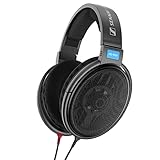

The Sennheiser HD 600 has been a reference-grade standard in professional audio for decades. Described as an audiophile open-back dynamic wired headphone, it is built for people who want to hear a recording as honestly as possible, with a natural soundstage and premium comfort designed for extended wear. If the DT 990 Pro X is the workhorse, the HD 600 is the instrument.
The open metal earpiece covers are a signature aesthetic detail, but they also serve a purpose: the open-back architecture creates that wide, speaker-like presentation that mixing engineers find invaluable for judging depth and width in a mix. Sennheiser specifically targets music lovers and professionals here, and the build quality supports that positioning — this is a headphone you buy once and keep for a very long time.
The limitation to be aware of is that the HD 600 benefits from a decent headphone amplifier or interface to perform at its best. Plug it straight into a phone and you may not get everything it has to offer. It is also a clear step up in price from the rest of this list, so it makes most sense for engineers who are serious about their monitoring chain.
Buy this if: you want the most respected open-back reference headphone in this list and are willing to invest in the full monitoring chain to match.
Best for semi-open monitoring: AKG K240 Studio

The AKG K240 Studio is a semi-open studio headphone, which puts it in an interesting middle ground between the full isolation of a closed-back design and the airy soundstage of a fully open-back pair. That semi-open character gives you slightly more natural spatial presentation than a closed design while still offering a modest degree of separation from room noise — a useful compromise in many home studio setups.
AKG has a long history in professional monitoring, and the K240 Studio has been a reliable fixture in recording studios for years. It is an over-ear design intended for professional studio use, which means it is tuned with accuracy in mind rather than consumer-friendly bass emphasis. For mixing, editing, and general critical listening, that measured approach is exactly what you want.
The trade-off with the semi-open design is that it does not fully isolate from outside noise, nor does it fully open up the soundstage the way a true open-back pair does. It sits comfortably in between, which suits some workflows and frustrates others depending on their environment.
Buy this if: you work in a home studio and want a semi-open AKG monitor that balances natural soundstage with light ambient isolation.
Best value: Wired Studio Headphones 32Ω

This wired studio monitor headset positions itself squarely at the working musician and home producer who wants a capable mixing tool without spending a premium price. The supplied title calls out a 32 ohm impedance, which makes it easy to drive from virtually any interface, phone, or computer without extra gear. It also features detachable cables and comfortable protein leather ear cushions — two practical details that make a real difference over long sessions and over the long life of the headphone.
The over-ear design and stereo monitoring focus make it suitable for recording, mixing, DJ use, podcast production, and plugging into a guitar amp or computer. The detachable cable is a genuinely useful feature at this price point: when a cable eventually wears out, you replace the cable, not the headphone. That alone extends the useful lifespan considerably.
The limitation here is that this is a relatively new product with less of an established track record compared to the AKG and Sennheiser entries on this list. Functionality looks solid on paper, but it has not had years of professional use to prove itself in the field.
Buy this if: you want a practical, easy-to-drive monitor headphone with detachable cables and comfortable padding, at a more accessible price point.
Best budget: PUPGSIS Studio Monitor Headphones

The PUPGSIS wired over-ear headphones are the most affordable entry on this list, and they make a credible case for themselves despite that. The supplied title highlights 50mm drivers, a wide frequency response reaching up to 40kHz, and a standard quarter-inch to 3.5mm audio jack — meaning you can plug them straight into an interface, an amp, a mixer, or a computer without an adaptor. That versatility matters when you are just setting up a home studio and want everything to work out of the box.
With 50mm drivers, the PUPGSIS headphones have larger transducers than many headphones in the budget tier, which can help with reproducing detail across the frequency range. The wired over-ear design suits recording, mixing, podcast production, and keyboard or guitar practice sessions. If you are starting out and need a usable monitor headphone to learn on, this is a sensible starting point.
The honest limitation is that PUPGSIS is a lesser-known brand without the heritage of beyerdynamic, AKG, or Sennheiser. At this price level, build longevity and driver consistency are reasonable questions to have. Treat these as a stepping-stone pair rather than a forever purchase.
Buy this if: you are new to home recording or mixing and want a budget-friendly, versatile headphone that covers all the basics without a big upfront investment.
Best foldable option: OneOdio A71D

The OneOdio A71D is a wired over-ear studio monitor headset with a foldable design, which immediately sets it apart from the others on this list. For producers or engineers who travel between studios, gig at venues, or simply need to pack their gear away without taking up shelf space, a foldable build is a practical advantage worth considering.
The A71D supports both 3.5mm and 6.35mm (quarter-inch) connections, making it compatible with phones, laptops, audio interfaces, amplifiers, and mixers without needing a separate adaptor. OneOdio lists it for amp recording, podcast mixing, PC use, and guitar practice, covering a wide range of everyday studio tasks. The hi-res DJ stereo positioning suggests it is tuned for clarity and detail rather than exaggerated bass.
The trade-off with foldable designs is that the hinges and joints are mechanical weak points that can wear over time, particularly if the headphone is folded and unfolded daily. For desktop-only use, that concern is minimal, but heavy travellers should keep it in mind.
Buy this if: you need a studio monitor headphone that can fold away for easy transport between sessions or venues.
How to choose your studio headphones for mixing
Open-back vs closed-back vs semi-open. Open-back headphones (like the beyerdynamic DT 990 Pro X and Sennheiser HD 600) give you a wide, natural soundstage ideal for mixing but offer no isolation and bleed sound in and out. Closed-back designs suit tracking and recording in louder environments. Semi-open designs (like the AKG K240 Studio) sit in between and are a good compromise for home studios with modest ambient noise.
Impedance and driving requirements. Lower impedance headphones (32 to 48 ohm) are easy to drive from a laptop, phone, or basic interface. Higher impedance models may need a dedicated headphone amplifier to reach their full potential. Check what you have in your signal chain before committing to a high-impedance model.
Driver size and frequency response. Larger drivers — such as the 50mm units in the PUPGSIS headphones — can help with reproducing a wider frequency range. Look for headphones positioned as ‘monitor’ or ‘studio’ rather than ‘consumer’, as they are more likely to aim for a flat, accurate response rather than a bass-boosted one.
Build and practicality. Detachable cables extend the life of a headphone significantly, since cables are the most common point of failure. Foldable designs help with portability. Protein leather or velour pads affect both comfort and sound character — velour tends to feel cooler over long sessions, while leather seals more effectively.
New vs established brands. Brands like AKG and Sennheiser have decades of professional studio use to back up their claims. Budget brands can offer solid hardware at a lower price, but you are taking more of a risk on long-term build quality and consistency. Match your choice to how seriously you rely on the headphone day to day.
Frequently asked questions
Do I need open-back headphones for mixing?
Open-back headphones are preferred for mixing because they produce a wider, more natural soundstage that makes it easier to judge stereo width, reverb, and depth. However, they are not mandatory — many engineers mix successfully on closed-back headphones and simply learn to account for the difference. Open-back designs are just more forgiving for new mixers trying to build accurate ears.
Can I mix on headphones at all, or do I need studio monitors?
You can absolutely mix on headphones, and many professional records have been mixed entirely on them. The key is choosing headphones tuned for accuracy rather than consumer enjoyment. Ideally, you reference your mix on both headphones and speakers, but if you only have one option, a quality studio monitor headphone is a perfectly valid choice.
What impedance headphones should I choose for a home studio?
For most home studios with a basic audio interface, headphones in the 32 to 80 ohm range are practical choices — they are easy to drive to a healthy listening volume without a separate headphone amplifier. Higher impedance models can sound excellent but may require additional equipment to perform at their best.
Are budget headphones good enough for serious mixing?
Budget headphones can serve as a learning tool or a backup pair, but they typically involve more compromise in driver consistency and build quality. If mixing is a serious professional or semi-professional activity for you, investing in a more established brand pays off in accuracy and reliability over time. That said, learning on a budget pair is far better than not learning at all.
What does ‘hi-res’ mean on studio headphones?
The ‘hi-res’ label typically indicates that the headphone is rated to reproduce audio beyond the standard 20kHz upper limit of human hearing — often up to 40kHz as noted in the PUPGSIS and OneOdio listings. In practice, the audible benefit is debated, but it suggests the drivers are built to a higher specification and may handle the upper range of the audible spectrum with more ease.
The verdict
The beyerdynamic DT 990 Pro X is the top overall pick: German-made, open-back, easy to drive, and purpose-built for mixing and critical listening. For those who want the absolute best reference experience and are willing to invest accordingly, the Sennheiser HD 600 is the premium choice with a decades-long reputation to back it up. For the best value, the Wired Studio Headphones 32Ω (B0GQB6D9V5) stands out with its detachable cables, comfortable build, and low-impedance convenience at an accessible price.
For more, browse all our reviews and roundups.
AudioTechExpert is reader-supported. This article contains affiliate links, and we may earn a commission on qualifying purchases at no extra cost to you.