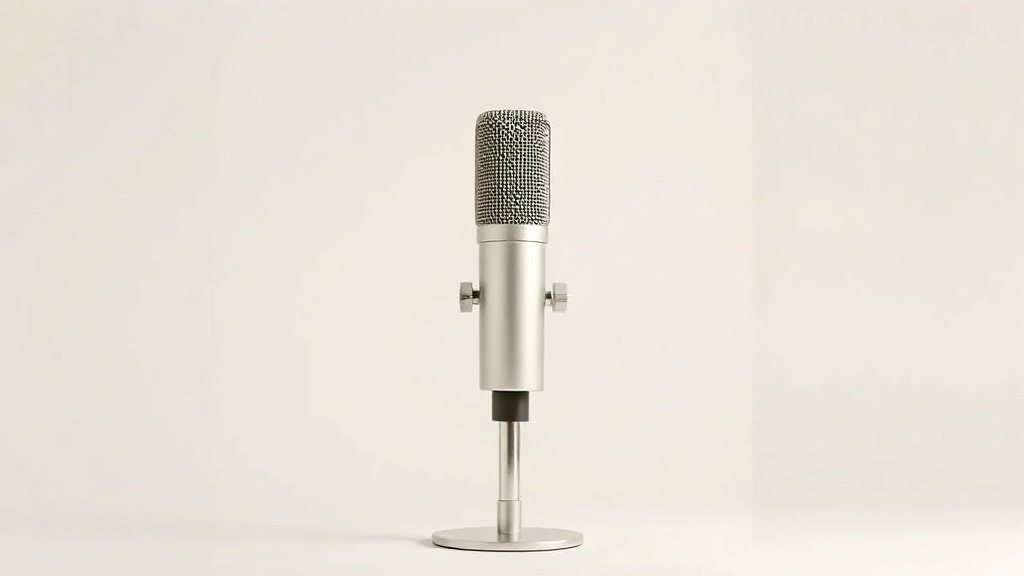
Finding the right vocal microphone is one of those decisions that actually changes how your recordings sound — and how much you enjoy making them. The market is flooded with options that look identical on paper but behave very differently in practice, which makes the choice genuinely confusing.
This guide cuts through the noise. We’ve reviewed the current options available and ranked the best vocal microphones you can buy right now, whether you’re tracking vocals at home, podcasting, streaming, or performing live. Every pick has been chosen for a specific type of buyer, so you’re not just getting a list — you’re getting a recommendation that fits your situation.
This article is for singers, podcasters, streamers, and home-studio producers who want honest, plain-spoken advice without the marketing fluff. No products were included that aren’t genuinely worth your time.
How to choose your vocal microphone
The single most important question is: where will you use it? A microphone that sounds brilliant in a treated studio can pick up every creak and rumble in a reflective bedroom. Condenser microphones are generally more sensitive and detailed, which makes them great for controlled environments. Dynamic microphones are more forgiving of noisy or reverberant spaces, which is why they’re a staple on live stages.
Connection type matters next. USB microphones plug directly into a laptop and need no extra gear — ideal if you’re starting out or working on the move. XLR microphones deliver better signal quality and more flexibility, but they require an audio interface or mixer to connect to your computer. Neither is universally better; it depends on your existing setup.
Polar pattern — the direction the microphone ‘listens’ — shapes how much background noise gets captured. A cardioid pattern focuses on what’s in front and rejects most room sound from behind, which suits the vast majority of vocal applications. Some microphones offer switchable patterns, which gives you flexibility as your needs grow.
Think about gain requirements too. Some vocal styles and quieter voices benefit from microphones with higher sensitivity, while loud singers or broadcasters often prefer dynamics that handle high volumes without distortion. Match the microphone to the voice, not just the budget.
Finally, consider the full cost of ownership. A budget XLR microphone still needs an interface, a stand, and a pop filter to be usable. Factor those in when comparing prices, and you’ll make a smarter long-term decision.
Frequently asked questions
Do I need an audio interface for a vocal microphone?
Only if you choose an XLR microphone. XLR mics require an audio interface or mixer to connect to a computer. USB microphones bypass this requirement entirely — they plug straight into your machine and work immediately. If you’re just starting out and don’t want extra gear, USB is the simpler route.
Is a condenser or dynamic microphone better for vocals?
It depends on your environment. Condenser microphones are more sensitive and capture fine detail, so they excel in quiet, acoustically treated spaces. Dynamic microphones are less sensitive, which makes them more forgiving in untreated rooms and on loud stages. Neither type is universally superior — the best choice matches your recording space.
What is a pop filter and do I need one?
A pop filter is a mesh screen placed between your mouth and the microphone to reduce ‘plosive’ sounds — the bursts of air from letters like ‘p’ and ‘b’ that cause a thudding noise in recordings. For most vocal applications, yes, you need one. Some microphones include a built-in pop filter; others require a separate one.
How far should I be from a vocal microphone?
For most condenser microphones in a home studio, a distance of around six to twelve inches is a reasonable starting point. Too close and you risk proximity effect (an exaggerated bass boost) and plosive noise. Too far and the room sound starts to dominate. Dynamic microphones are often used closer to the source, especially in live settings.
Can I use a vocal microphone for podcasting or streaming?
Absolutely. Many vocal microphones work excellently for speech as well as singing. USB condenser microphones in particular have become a go-to choice for podcasters and streamers because they’re plug-and-play, sensitive enough for clear voice capture, and don’t require extra equipment. Dynamic microphones are also popular for broadcasting because they reject background noise effectively.
The verdict
If you’re looking for our top overall pick or the best-value option from the selections above, refer to the individual picks and comparison table — every recommended microphone in this guide has been chosen because it genuinely earns its place for a specific type of buyer. Match the angle to your situation and you won’t go far wrong.
For more, browse all our reviews and roundups.
AudioTechExpert is reader-supported. This article contains affiliate links, and we may earn a commission on qualifying purchases at no extra cost to you.