The difference between a £50 microphone and a £500 microphone is not always what you expect, and the expensive one might actually be wrong for your needs.
After years of obsessively buying, using and comparing audio gear, I have learned that microphone selection comes down to understanding three core characteristics: transducer type, polar pattern, and frequency response. Master these concepts and you can confidently choose the right tool for any recording situation.
This guide covers the practical differences between dynamic and condenser microphones, explains how polar patterns affect what you capture, and demonstrates how frequency response shapes your sound. You will learn to match microphones to specific applications and avoid the common mistakes that waste money and compromise recordings.
Dynamic vs Condenser: The Fundamental Choice
Dynamic microphones use a moving coil attached to a diaphragm, creating electrical signals through electromagnetic induction. The Shure SM57 exemplifies this design with its rugged construction and ability to handle extreme sound pressure levels. Dynamic mics require no external power and excel in noisy environments because they naturally reject background sound. I reach for dynamics when recording guitar amplifiers, drums, or live vocals where feedback might be an issue.
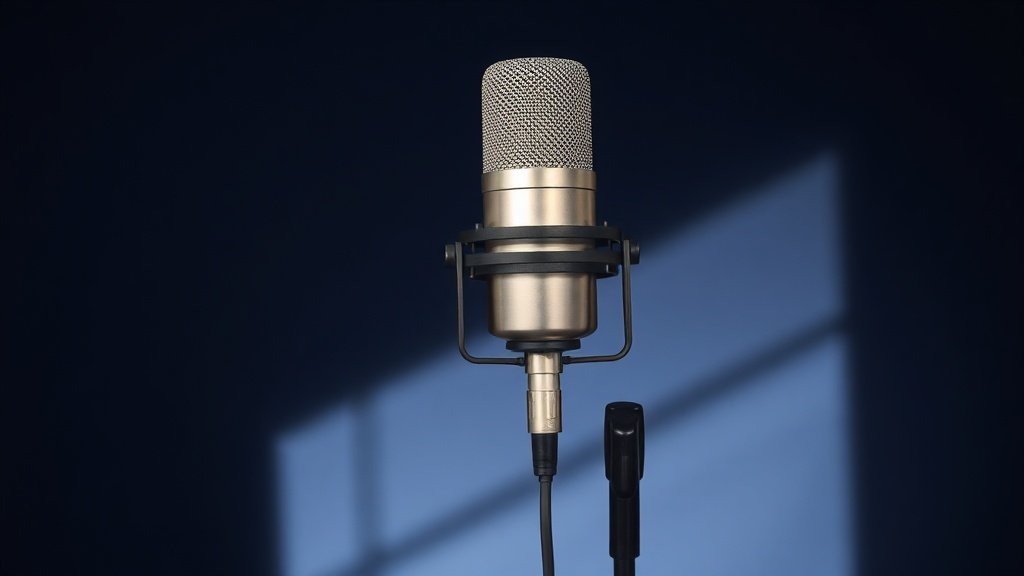
Condenser microphones employ a capacitor design where the diaphragm acts as one plate of the capacitor. Models like the Audio-Technica AT2020 demonstrate the typical condenser characteristics: high sensitivity, extended frequency response, and detailed transient reproduction. Condensers require phantom power from your audio interface and capture more environmental sound, making them ideal for controlled studio environments. They excel at recording acoustic instruments, vocals in treated rooms, and any source where you want to capture subtle details.
The choice between dynamic and condenser often determines recording technique. Dynamics allow close-miking techniques without overwhelming detail, whilst condensers reward proper room acoustics and careful placement. Neither type is inherently better; they serve different purposes in the recording chain.
Polar Patterns: Controlling What You Capture
Polar patterns define the directional sensitivity of microphones, determining which sounds get captured and which get rejected. Cardioid patterns, found on microphones like the Rode PodMic, pick up sound primarily from the front whilst rejecting sound from the rear. This makes cardioids excellent for isolating sources in multi-microphone setups or reducing room reflections in untreated spaces.
Omnidirectional microphones such as the Shure SM63 capture sound equally from all directions. They produce natural sound with minimal proximity effect but also capture more room ambience. Omnidirectional patterns work brilliantly for recording acoustic ensembles, room tone, or situations where you want to capture the acoustic space along with the source. Bidirectional or figure-8 patterns, available on microphones like the Coles 4038, capture sound from front and rear whilst rejecting sound from the sides.
Understanding polar patterns prevents common placement mistakes. A cardioid microphone pointed at a noisy air conditioning unit will capture that noise, regardless of where your intended source sits. Omnidirectional microphones placed too far from the source in a reverberant room will sound distant and echoey. The pattern determines not just what you capture, but how you position the microphone relative to both wanted and unwanted sounds.
The polar pattern determines not just what you capture, but how you position the microphone relative to both wanted and unwanted sounds.
Frequency Response: Shaping Your Sound
Frequency response describes how microphones emphasise or de-emphasise different frequencies across the audible spectrum. The Shure SM58 features a presence boost around 5kHz that helps vocals cut through a mix, whilst the Electro-Voice RE20 maintains relatively flat response for broadcast applications. These response characteristics become part of your sound, so choosing the wrong curve can work against your goals.
Many condenser microphones exhibit rising high-frequency response that adds apparent detail and airiness to sources. The Neumann TLM 103 demonstrates this with its gentle high-frequency lift that flatters many vocal sources. However, this same characteristic can make sibilant vocalists sound harsh or cause digital harshness when recording bright acoustic guitars. Understanding these tendencies helps you select microphones that complement rather than fight your source material.
Proximity effect, where low frequencies increase as you move closer to directional microphones, also affects tonal balance. The Shure Beta 58A exhibits strong proximity effect that can add warmth to thin voices but might overwhelm sources that already have substantial low-frequency content. Learning to work with or compensate for these characteristics becomes part of developing your recording technique.
Matching Microphones to Applications
Vocal recording demands different microphone characteristics depending on the genre and environment. The Shure SM7B has become standard for podcast and broadcast work because its internal shock mounting, built-in pop filter, and forgiving frequency response handle close-miking techniques well. For studio vocals, condenser microphones like the Audio-Technica AT4040 provide the detail and sensitivity that allow subtle performance nuances to translate through the recording chain.
Instrument recording often requires matching microphone characteristics to the source frequency range and dynamic content. The Sennheiser MD 421 handles the wide frequency range and high sound pressure levels of guitar amplifiers whilst maintaining clarity across the frequency spectrum. Acoustic instruments benefit from the extended frequency response of condensers, but placement becomes critical to balance direct sound with room acoustics.
Live sound applications prioritise feedback rejection and handling noise over absolute fidelity. The Shure Beta 87A provides condenser-like detail whilst maintaining the feedback resistance needed for live performance. Dynamic microphones remain the standard for most live vocal applications because they handle the unpredictable conditions and user techniques encountered in live environments.
Budget Considerations and Practical Choices
Entry-level microphones can deliver professional results when properly matched to applications. The Audio-Technica ATR2100x-USB provides both XLR and USB connectivity with respectable dynamic microphone characteristics at a modest price point. This dual connectivity allows growth from USB recording into professional audio interfaces without replacing the microphone.
Spending more money typically brings improvements in build quality, consistency between units, and extended frequency response rather than dramatic sonic differences. The Shure SM57 and SM58 represent exceptional value because their robust construction and predictable performance characteristics have made them industry standards. Expensive microphones often excel in specific applications but may not provide better results across all recording situations.
Consider the complete signal chain when budgeting for microphones. A high-quality microphone through a poor preamplifier will underperform compared to a modest microphone through excellent electronics. The Focusrite Scarlett series interfaces provide clean preamplification that allows microphone characteristics to come through clearly, making them sensible partners for both budget and premium microphones.
Assuming condenser microphones are always better than dynamic microphones. Condenser microphones offer higher sensitivity and extended frequency response, but they also capture more background noise and require phantom power. Dynamic microphones often provide better results in untreated rooms, live environments, or when recording loud sources like guitar amplifiers.
Ignoring polar pattern when positioning microphones. The polar pattern determines which directions the microphone accepts and rejects sound from, affecting both isolation and tonal balance. Position cardioid microphones so unwanted sound sources sit in the rejection zone, and remember that omnidirectional patterns capture room acoustics along with the intended source.
Choosing microphones based solely on specifications or reviews. Microphone selection depends heavily on your specific recording environment, source material, and aesthetic goals. A microphone that works brilliantly in a professional studio might sound terrible in a bedroom setup, whilst budget microphones can excel when properly matched to their intended applications.
Conclusion
Successful microphone selection balances transducer type, polar pattern, and frequency response against your specific recording needs and environment. Start with understanding whether you need the ruggedness and natural isolation of dynamics or the sensitivity and detail of condensers, then match polar patterns to your acoustic situation. The right microphone for your application will serve you better than an expensive microphone chosen for the wrong reasons.

FREE DOWNLOAD
Stop Guessing. Start Buying Smart.
The specs that actually matter, demystified.
Headphones, microphones, the spec sheet jargon you can ignore — all in one quick-reference PDF. Free, instant, no fluff.
Send Me the CheatsheetYou'll also receive occasional new guide notifications. Unsubscribe anytime. No spam, ever.