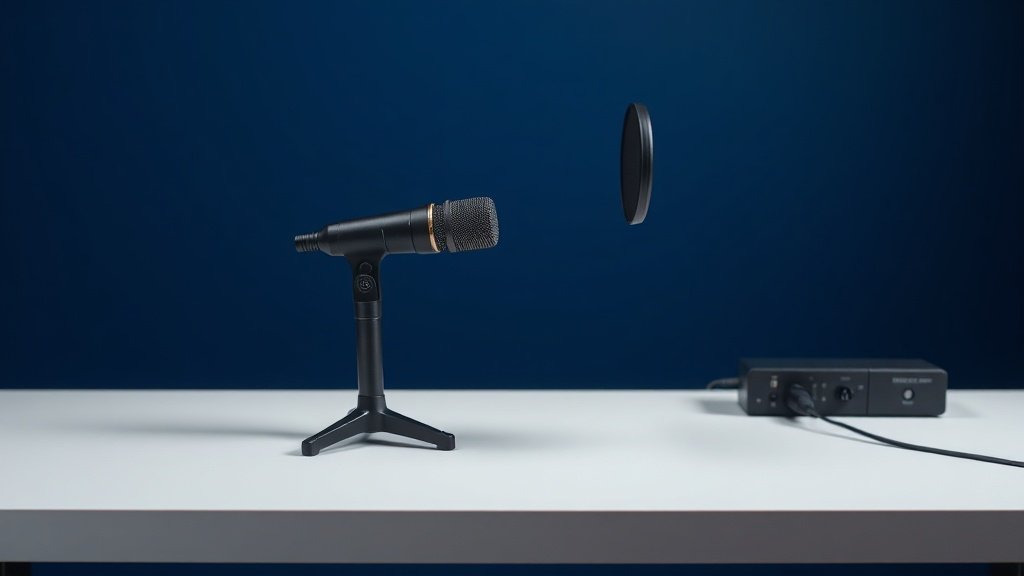
Your microphone determines whether viewers stay engaged with your content or click away within the first thirty seconds due to poor audio quality.
Audio quality separates professional streamers from bedroom broadcasters, yet most creators focus entirely on video gear while treating microphones as an afterthought. Poor audio drives viewers away faster than pixelated video ever will.
This guide covers the essential technical considerations for streaming microphones across Twitch, YouTube, and Discord, including polar patterns, connection types, acoustic treatment requirements, and specific product recommendations based on different streaming environments and budgets.
Understanding Polar Patterns for Streaming
Cardioid polar patterns reject sound from behind the microphone while capturing audio directly in front, making them ideal for streaming setups where you need to minimise keyboard clicks, mouse movements, and room reflections. The Audio-Technica AT2020USB+ demonstrates excellent cardioid pickup for streaming, capturing clear vocal reproduction while rejecting most ambient noise.
Dynamic microphones like the Shure SM7B offer even tighter polar patterns and superior background noise rejection, though they require significant gain from audio interfaces or cloudlifter devices. The SM7B has become the gold standard for podcast and streaming applications precisely because its cardioid pattern remains consistent across all frequencies, preventing the proximity effect issues common with cheaper condensers.
Omnidirectional patterns capture sound equally from all directions and should be avoided for streaming unless you have professional acoustic treatment. Desktop omnidirectional mics pick up every keyboard click, chair squeak, and room reflection, creating a distracting listening experience that undermines even excellent content.
USB Versus XLR Connection Types
USB microphones connect directly to computers without additional hardware, making them appealing for streamers who want simple plug-and-play operation. The Blue Yeti offers multiple polar patterns through USB connection, though its large diaphragm condenser capsule proves quite sensitive to handling noise and requires careful positioning away from keyboards and mouse pads.
XLR microphones require audio interfaces but provide superior signal quality, lower noise floors, and professional routing flexibility. The Rode PodMic, designed specifically for broadcast applications, delivers broadcast-quality audio through XLR connection while maintaining the convenience of dynamic microphone operation that requires no phantom power.
Audio interfaces like the Focusrite Scarlett Solo provide phantom power for condenser microphones, hardware monitoring capabilities, and dedicated headphone outputs that prevent the latency issues common with USB microphone monitoring. Professional streamers consistently choose XLR setups because interfaces offer real-time processing, multiple input routing, and expansion possibilities as streaming setups grow more complex.
Dynamic microphones excel in untreated rooms while condensers demand acoustic control that most streaming spaces cannot provide.
Room Acoustics and Microphone Selection
Condenser microphones capture every acoustic detail in your streaming space, which sounds professional in treated rooms but terrible in typical bedrooms with hard surfaces, parallel walls, and minimal furnishing. The Audio-Technica AT2035 produces exceptional results in acoustically controlled environments but becomes nearly unusable in reflective spaces due to its sensitive large-diaphragm design.
Dynamic microphones like the Electro-Voice RE20 reject room acoustics naturally through their moving-coil design and tight pickup patterns, making them far more forgiving in untreated streaming environments. The RE20 maintains consistent frequency response regardless of room characteristics, which explains its popularity in radio broadcast applications where acoustic treatment varies widely.
Small-diaphragm condensers offer compromise solutions for streamers who need condenser clarity without excessive room pickup. The Audio-Technica AT2021 provides detailed vocal reproduction while maintaining reasonable rejection of room reflections, though it still requires more acoustic consideration than dynamic alternatives.
Platform-Specific Considerations
Twitch streaming benefits from microphones with consistent cardioid patterns and minimal handling noise, since streamers frequently gesture and move during gameplay. The Rode PodMic handles physical movement well while maintaining broadcast-quality audio reproduction that cuts through game audio and background music without requiring excessive compression.
YouTube content creation often involves multiple recording sessions, voice-over work, and post-production processing, making low self-noise specifications crucial for maintaining audio quality through editing workflows. The Audio-Technica AT2020 offers 16 dBA self-noise specification that provides clean recordings suitable for heavy post-processing without introducing audible noise floors.
Discord communication requires microphones that perform well at moderate gain levels while rejecting ambient noise from mechanical keyboards, cooling fans, and household activity. USB microphones like the Samson Q2U provide both USB and XLR connectivity, allowing streamers to use USB connection for Discord while routing XLR output to streaming software simultaneously.
Budget and Performance Expectations
Entry-level streaming microphones under £100 should prioritise proper polar patterns and solid mechanical construction over marketing claims about studio-quality audio. The Audio-Technica ATR2100x-USB provides genuine broadcast-quality audio reproduction through either USB or XLR connection at a reasonable price point that outperforms many expensive USB-only alternatives.
Professional streaming setups justify microphones in the £200-400 range when combined with appropriate audio interfaces and acoustic treatment. The Shure SM7B represents the professional standard for streaming and podcast applications, though its low output level requires significant clean gain from quality preampliflers or cloudlifter devices.
Expensive microphones above £500 provide diminishing returns for streaming applications unless you have professional acoustic treatment and monitoring capabilities. The Neumann U87 sounds exceptional in proper studio environments but offers no practical advantage over much cheaper alternatives in typical streaming rooms with poor acoustics and computer noise.
Buying expensive condenser microphones for untreated streaming rooms wastes money and delivers poor results. Large-diaphragm condensers capture room reflections, computer fan noise, and ambient sounds that ruin audio quality regardless of microphone specifications. Choose dynamic microphones for typical streaming environments or invest in acoustic treatment before upgrading to sensitive condensers.
Positioning microphones too far from your mouth reduces signal-to-noise ratio and requires excessive gain. Optimal microphone distance for streaming ranges from 6-12 inches depending on microphone type and room acoustics. Closer positioning captures more direct sound relative to room noise and ambient interference.
Relying on software noise reduction instead of proper microphone technique creates artificial-sounding audio. Real-time noise suppression introduces processing artifacts that make voices sound robotic or filtered. Address noise issues through proper microphone selection, positioning, and acoustic treatment rather than depending on software solutions.
Conclusion
Successful streaming audio depends on matching microphone characteristics to your specific room acoustics, streaming platform requirements, and technical setup rather than chasing expensive specifications. Dynamic microphones excel in typical streaming environments, while condensers demand acoustic treatment that most creators cannot provide. Focus on proper positioning, consistent polar patterns, and appropriate connection types for reliable audio quality that supports your content rather than distracting from it.
FREE DOWNLOAD
Stop Guessing. Start Buying Smart.
The specs that actually matter, demystified.
Headphones, microphones, the spec sheet jargon you can ignore — all in one quick-reference PDF. Free, instant, no fluff.
Send Me the CheatsheetYou'll also receive occasional new guide notifications. Unsubscribe anytime. No spam, ever.