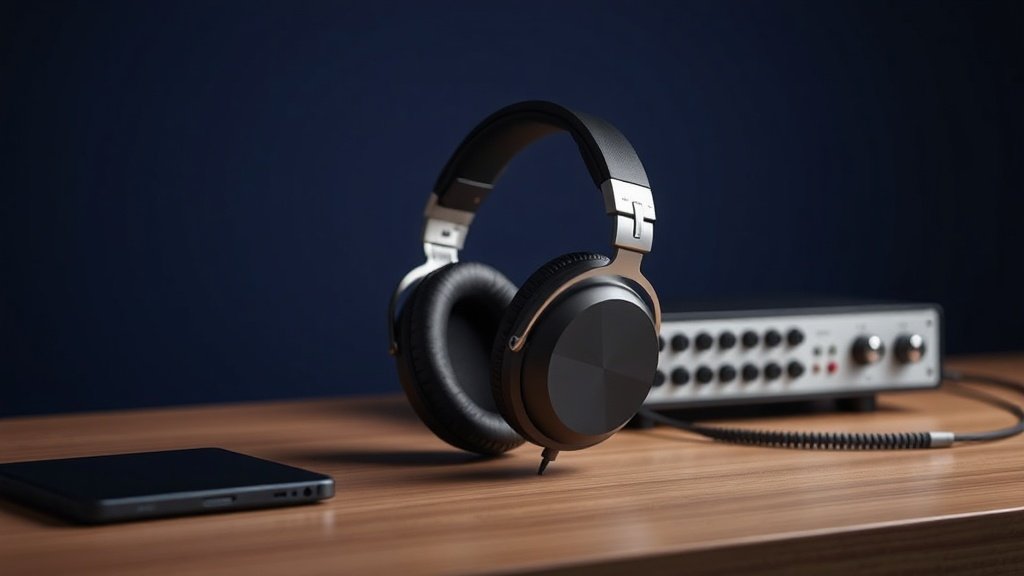
The headphones that sound amazing for casual listening often mask the problems you need to catch during mastering sessions.
After years of obsessively buying, using and comparing audio gear, I have learned that reference headphones serve a completely different purpose than the ones you reach for entertainment. Where consumer headphones boost bass and sharpen treble to impress your ears, mastering cans reveal what actually exists in the recording without editorial comment.
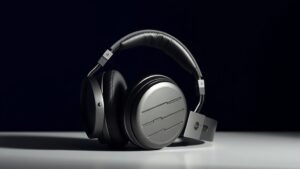
This guide covers the technical specifications that matter for mastering work, how different headphone designs affect your ability to spot problems, and which models deliver the transparency you need to make confident decisions about the final sound.
Frequency Response Requirements
Mastering headphones need flat frequency response across the spectrum you work with most. The Sennheiser HD 650 exemplifies this approach with its gentle roll-off above 10kHz rather than artificial presence peaks. When I switched from hyped consumer headphones to properly neutral references, I stopped over-correcting problems that did not actually exist in my masters.
Extended low frequency response matters more than elevated bass. The Audeze LCD-X reaches down to 10Hz with authority, letting you hear sub-bass content that smaller drivers simply cannot reproduce. This extension reveals whether your master translates properly to full-range playback systems without requiring you to constantly switch between headphones and monitors.
Look for published frequency response measurements rather than marketing claims about accuracy. The Focal Clear Professional shows measured deviation of plus or minus 3dB across most of the audible spectrum, giving you concrete data about what you can trust when making EQ decisions during mastering.
Open-Back Design Benefits
Open-back construction reduces the pressure buildup that colours frequency response in closed designs. The Beyerdynamic DT 1990 Pro uses this approach to deliver more natural soundstage presentation, helping you evaluate stereo imaging and spatial elements that closed headphones tend to compress or distort.
The reduced isolation of open-back designs actually benefits mastering work in properly treated rooms. Without the sealed chamber effect of closed headphones, your ears experience less fatigue during long sessions, and the more natural acoustic presentation helps you make mix decisions that translate better to speakers.
Mastering headphones should never flatter your music, they should expose every detail that needs attention.
Impedance and Amplification
Higher impedance headphones like the Sennheiser HD 800S at 300 ohms require dedicated amplification but reward you with lower distortion and better dynamic range. The mathematical relationship between impedance and current draw means high-impedance designs put less stress on amplifier circuits, resulting in cleaner sound at the volume levels mastering work demands.
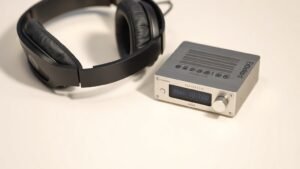
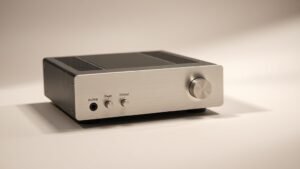
Plan your amplification chain before selecting headphones. The Rupert Neve Designs RNHP provides enough clean power to drive demanding loads while maintaining the transparency mastering applications require. Underpowered headphones compress dynamics and reduce your ability to hear subtle balance issues that affect the final master.
Some excellent mastering headphones operate efficiently at lower impedances. The Audio-Technica ATH-R70x at 470 ohms strikes a middle ground, providing the benefits of higher impedance design while remaining compatible with quality portable amplification when you need to work outside your main setup.
Comfort for Extended Sessions
Physical comfort directly affects your ability to make accurate judgments during long mastering sessions. The Shure SRH1540 uses premium materials and ergonomic design that lets you work for hours without the ear fatigue that compromises critical listening. Heavy clamping force or poorly designed ear pads create pressure points that distract from the audio content.
Replaceable components extend the working life of professional headphones while maintaining consistent performance. Models like the Austrian Audio Hi-X65 offer user-replaceable cables, ear pads, and headbands so that wear items can be refreshed without replacing the entire unit. This serviceability matters when headphones become integral to your mastering workflow.
Weight distribution affects long-term comfort as much as padding quality. The lightweight construction of the AKG K702 reduces neck strain during extended sessions, while the wide headband spreads the load evenly across your head rather than creating pressure points that build up over hours of use.
Testing and Validation Methods
Reference tracks you know intimately provide the most reliable way to evaluate mastering headphones. Choose recordings you have heard on multiple systems rather than using test tones or unfamiliar material. The way new headphones reproduce familiar material tells you immediately whether they will help or hinder your mastering decisions.
Compare headphone impressions against your most trusted monitoring setup rather than relying on specifications alone. The Sony MDR-7506 measures reasonably flat but has a characteristic upper-midrange presence that some engineers love and others find fatiguing. Only extended listening in your actual working environment reveals whether particular headphones suit your ears and your material.
Document your observations about how different masters translate from headphones to other systems. Keep notes about which types of adjustments made on headphones prove unnecessary when checked on speakers, and which problems headphones reveal that speakers miss. This feedback loop improves your ability to work confidently in headphones when monitor speakers are not available.
Choosing headphones based on comfort alone without considering frequency response accuracy. Comfortable headphones that colour the sound will lead you to make compensating adjustments that make your masters sound worse on neutral systems. Test the tonal balance first, then consider comfort among the technically suitable options.
Assuming expensive headphones automatically provide better mastering performance. Price often reflects build quality and brand positioning rather than measurement accuracy or suitability for professional use. Focus on published specifications and professional reviews rather than cost when building your reference chain.
Using the same headphones for tracking, mixing, and mastering without understanding their limitations. Different stages of production benefit from different monitoring approaches, and headphones optimised for one application may not serve others well. Identify what you need each pair to do before making selection decisions.
Conclusion
Effective mastering headphones prioritise accuracy over excitement, revealing problems rather than flattering your material. Focus on measured frequency response, proper amplification, and long-term comfort to build a reference system that supports confident mastering decisions. The right headphones become transparent tools that let you hear your music rather than the monitoring chain itself.
FREE DOWNLOAD
Stop Guessing. Start Buying Smart.
The specs that actually matter, demystified.
Headphones, microphones, the spec sheet jargon you can ignore — all in one quick-reference PDF. Free, instant, no fluff.
Send Me the CheatsheetYou'll also receive occasional new guide notifications. Unsubscribe anytime. No spam, ever.