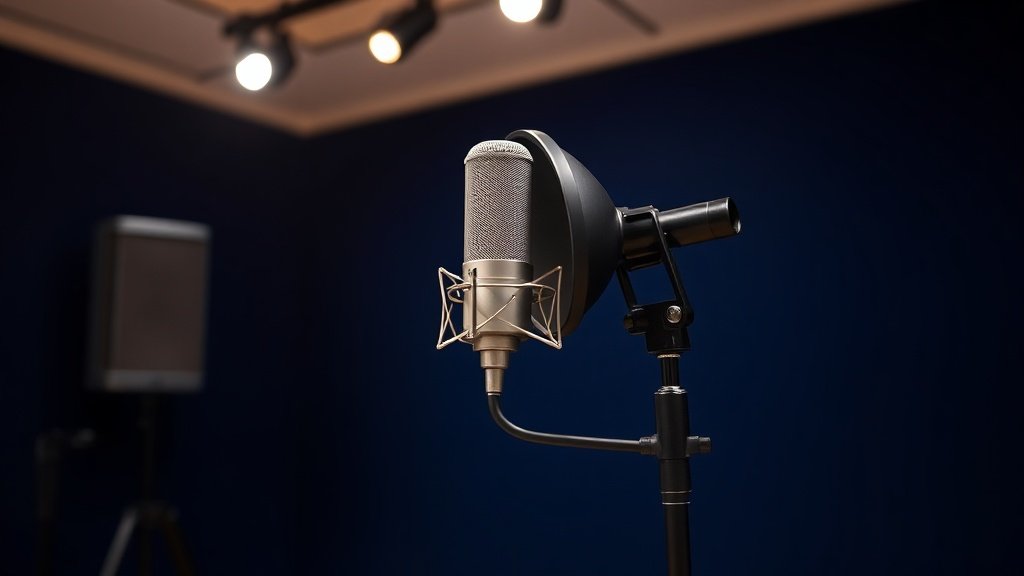
The difference between professional recordings and amateur attempts often comes down to where you put the microphone, not which microphone you choose.
After years of obsessively buying, using and comparing audio gear, I can tell you that microphone positioning makes or breaks more recordings than any other single factor. The most expensive microphone in the world will sound terrible if positioned incorrectly, whilst a modest dynamic mic in the right spot delivers professional results every time.
This guide covers the essential positioning techniques that separate clean, focused recordings from muddy, problematic ones. We will examine distance relationships, angle considerations, polar pattern applications, and room interaction effects that determine what your microphone actually captures.
Understanding Distance and the Proximity Effect
Distance controls two critical aspects of your recording: the balance between direct sound and room reflections, and the proximity effect that boosts bass frequencies as you move closer to directional microphones. Most condenser microphones exhibit noticeable proximity effect within 30 centimetres, with dramatic bass buildup occurring inside 15 centimetres. This explains why intimate vocal recordings often sound boomy when the singer works too close to the capsule.
For vocal recording, I position large diaphragm condensers like the Audio-Technica AT4040 or Rode PodMic between 15 and 25 centimetres from the mouth. This distance captures presence and detail whilst avoiding excessive proximity effect. Ribbon microphones such as the Royer R-121 require closer positioning, typically 10 to 15 centimetres, because their natural warmth balances the proximity boost more effectively.
Dynamic microphones behave differently due to their construction and polar response. The Shure SM57 performs optimally very close to sound sources, often touching guitar amplifier grilles or positioned within 5 centimetres of snare drums. The tight pickup pattern and reduced sensitivity require aggressive positioning to capture sufficient level without adding unwanted noise during gain staging.
Angle and Axis Positioning
Microphones respond differently depending on whether sound arrives on-axis (directly at the diaphragm) or off-axis (from the side or behind). Most microphones exhibit their flattest frequency response on-axis, but this does not always produce the most musical results. Vocal microphones often benefit from slight off-axis positioning to reduce harsh frequencies and minimise plosive impacts from consonant sounds.
I typically position vocal microphones 15 to 30 degrees off the direct path between mouth and capsule. This technique reduces the 3 to 5 kilohertz range that can sound aggressive whilst maintaining clarity and presence. The exact angle depends on the specific microphone and the vocal characteristics, but small adjustments in angle produce more dramatic tonal changes than most people expect.
For instrument recording, angle becomes even more critical. Guitar amplifiers sound completely different when miked directly on-axis versus angled toward the cone edge. On-axis positioning captures maximum brightness and presence, whilst off-axis placement emphasises midrange warmth and reduces harsh treble peaks that can dominate a mix.
The most expensive microphone in the world will sound terrible if positioned incorrectly, whilst a modest dynamic mic in the right spot delivers professional results every time.
Polar Pattern Selection and Application
Polar patterns determine which directions your microphone accepts or rejects sound, making pattern selection crucial for controlling unwanted noise, room reflections, and bleed from other sources. Cardioid patterns reject sound from directly behind the capsule, making them ideal for isolating sources in untreated rooms or multi-source recording scenarios.
Omnidirectional patterns capture sound equally from all directions, which sounds problematic but actually provides superior results in good acoustic spaces. When recording in a well-treated room, omnidirectional positioning often produces more natural, spacious recordings because it captures the beneficial acoustic properties of the space whilst avoiding the proximity effect entirely. Microphones like the DPA 4006 excel in omnidirectional applications where room sound enhances rather than degrades the recording.
Figure-8 patterns accept sound from front and rear whilst rejecting sound from the sides. This characteristic makes them perfect for recording two sources simultaneously, such as acoustic guitar and vocal, or for capturing room ambience without including sound from specific directions. The Coles 4038 ribbon microphone uses this pattern effectively for drum overheads, capturing kit and room whilst rejecting unwanted reflections from the sides.
Room Interaction and Acoustic Considerations
Every room adds its acoustic signature to your recording through reflections, resonances, and ambient noise. Understanding how microphone position interacts with room acoustics allows you to either embrace or minimise these effects depending on your creative goals. Hard surfaces create early reflections that can add spaciousness or cause comb filtering, depending on the timing relationship between direct and reflected sound.
Positioning microphones closer to sound sources reduces the proportion of room sound in your recording, whilst moving them further away increases room contribution. In treated studios, this room sound often enhances recordings by adding depth and dimension. In untreated rooms, excessive room contribution typically creates muddy, unfocused recordings that resist mixing attempts.
Corner placement amplifies bass frequencies due to boundary effects, whilst positioning near walls can create comb filtering as direct and reflected sound waves interfere. I avoid placing microphones exactly halfway between parallel surfaces, as this positioning often emphasises problematic room modes that create uneven frequency response. Moving just 30 centimetres in any direction usually resolves these issues.
Multi-Microphone Positioning and Phase Relationships
When using multiple microphones simultaneously, phase relationships become critical for maintaining clarity and avoiding cancellation effects. Sound waves that arrive at different microphones at different times can reinforce or cancel each other, creating comb filtering that hollow out certain frequencies and emphasise others unpredictably.
The 3:1 rule provides a starting guideline: if one microphone is positioned 30 centimetres from a source, the next closest microphone should be at least 90 centimetres away. This ratio ensures that the level difference between microphones is sufficient to minimise phase interactions. However, this rule works only as a starting point, and careful listening remains essential for optimal results.
For drum recording, overhead microphone positioning dramatically affects how the entire kit sounds due to phase relationships between overheads and close microphones. I typically position overheads equidistant from the snare drum to maintain phase coherence, then adjust individual close microphone timing during mixing to align transients properly. Small adjustments in overhead height or angle can resolve phase problems that make drums sound thin or disconnected.
Source-Specific Positioning Techniques
Different sound sources require specific positioning approaches based on their acoustic characteristics and frequency content. Vocal recording typically benefits from consistent positioning to maintain tonal balance across performances, but instrument recording often requires experimental positioning to find the sweet spot for each specific source and musical context.
For acoustic guitar, I start with the microphone positioned where the neck meets the body, angled slightly toward the sound hole but not directly over it. This position captures both string detail and body resonance without excessive boominess from the sound hole. Fine adjustments toward the bridge emphasise string attack and clarity, whilst movement toward the neck adds warmth and reduces pick noise.
Piano recording requires understanding how the instrument projects sound throughout the room. Grand pianos project differently depending on lid position, and microphone height dramatically affects the balance between hammer attack and string resonance. I typically start with microphones positioned 30 to 60 centimetres above the strings, then adjust based on the specific musical requirements and desired intimacy level.
Positioning microphones too close to avoid room problems actually creates proximity effect problems. Instead of fighting room acoustics with extreme close-miking, address the room treatment or choose microphones with appropriate polar patterns for the space you have available.
Assuming all microphones work best positioned directly on-axis to the source. Many microphones actually sound better when positioned slightly off-axis, which reduces harsh frequencies and provides more musical results than technically perfect on-axis placement.
Ignoring phase relationships when using multiple microphones on the same source. Always check mono compatibility and listen for hollow, filtered sounds that indicate phase cancellation between microphones positioned at different distances from the same source.
Conclusion
Effective microphone positioning combines technical understanding with careful listening and systematic experimentation. Start with proven distance and angle guidelines, then adjust based on what you hear rather than what looks correct. Small changes in position often produce dramatic improvements in recording quality, making positioning skills more valuable than expensive equipment upgrades.

FREE DOWNLOAD
Stop Guessing. Start Buying Smart.
The specs that actually matter, demystified.
Headphones, microphones, the spec sheet jargon you can ignore — all in one quick-reference PDF. Free, instant, no fluff.
Send Me the CheatsheetYou'll also receive occasional new guide notifications. Unsubscribe anytime. No spam, ever.