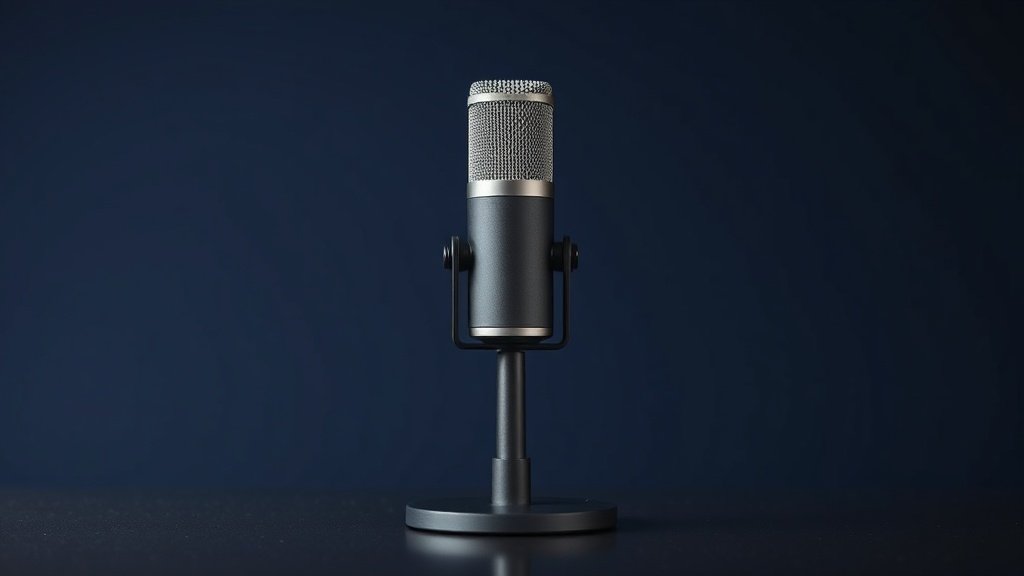
Few decisions in the microphone world are as common — or as genuinely interesting — as choosing between the Shure SM58 and the Shure SM7B. Both are dynamic XLR microphones from the same brand, both are built to last, and both have earned devoted followings. But they are designed with quite different buyers in mind, and picking the wrong one can leave you with a capable mic that simply does not fit your workflow.
This comparison covers the key differences between the SM58-LC and the SM7B across the criteria that matter most: build and handling, intended use case, sound character, practical setup requirements, and overall value. Whether you are a vocalist who performs live, a podcaster setting up a home studio, or someone who does a bit of both, this guide will help you work out which of these two microphones belongs on your desk — or in your hand.
In broad terms, the SM58 is the classic handheld stage vocal mic, rugged and road-tested. The SM7B is a large-format studio dynamic designed to sit on a boom arm and capture warm, broadcast-quality recordings. They overlap in some areas, but their strengths pull in quite different directions.
Shure SM58-LC: the battle-hardened live performance workhorse


The Shure SM58-LC is one of the most widely used microphones on the planet, and for good reason. It is a handheld cardioid dynamic microphone with a built-in spherical wind and pop filter, designed to be gripped, pointed at a vocalist, and used night after night without complaint. The ‘-LC’ simply means it ships without a cable, keeping the package lean. It connects via XLR and works with any standard mixer, audio interface, or PA system.
Its standout strengths are durability and reliability. The SM58 is built to take real-world punishment — drops, knocks, touring conditions — and keep performing. The cardioid polar pattern does a solid job of rejecting off-axis noise, which matters enormously in live environments with stage monitors and crowd noise. It also handles close-up vocals well, and its natural presence lift helps voices cut through a mix on stage. For singers, presenters, public speakers, or anyone who needs a dependable handheld mic, it is hard to argue with.
The honest limitation is that the SM58 is primarily optimised for live use. When used in a quiet studio environment, it can sound a little less polished compared to purpose-built studio dynamics, and it does not carry the same broadcast warmth that some podcasters or voice artists are looking for. It is a specialist tool at its best when it is doing what it was built for.
Shure SM7B: the broadcast-quality studio dynamic for voice and content
The Shure SM7B occupies a different space entirely. It is a large-format dynamic studio microphone designed to sit on a desk stand or boom arm, positioned close to the speaker’s or singer’s mouth for intimate, detailed recordings. It ships with a detachable windscreen and is built around delivering smooth, warm audio — the kind of character that has made it a staple in broadcast booths, podcasting studios, and vocal recording sessions alike.
The SM7B’s strengths are its sound quality and versatility in controlled environments. Its wide frequency range, smooth response, and natural warmth make it flattering for spoken word, vocals, and even instruments. The detachable windscreen helps manage breath and plosive noise. It connects via XLR and does require a decent amount of clean gain from a preamp or audio interface — which is worth knowing before you buy. For podcasters, streamers, broadcasters, and recording vocalists who want a polished, professional sound without moving to a condenser, it is a compelling choice.
The limitation to be honest about is that the SM7B is a studio tool, not a stage tool. It is not designed to be handheld or used in live performance settings. It also demands a good upstream signal chain to perform at its best — a low-quality interface may not provide enough clean gain, which can be a frustration for newcomers. It is the pricier of the two options, so that investment should be matched by a setup that can support it.
Head-to-head: SM58 vs SM7B
Intended use case: This is the sharpest dividing line between the two. The SM58 is built for live performance — it is handheld, portable, and thrives on stage. The SM7B is designed for studio and broadcast work, mounted on a stand and used in quieter, more controlled acoustic environments. If you need a mic for gigs, the SM58 wins outright. If you are setting up a podcast or recording studio, the SM7B has the edge.
Sound character: Both are dynamic microphones, but they sound quite different. The SM58 delivers a punchy, presence-forward sound that helps vocals cut through live mixes. The SM7B produces a warmer, smoother audio character that is widely described as broadcast-ready and flattering for close-up voice work. For recorded content, most listeners will prefer the SM7B’s fuller sound. For live reinforcement, the SM58’s character is better suited to the environment.
Build and handling: The SM58 is ruggedly built for physical use — it has a protective grille, a comfortable grip, and a design that assumes it will be handled constantly. The SM7B is solidly constructed but not intended for handheld use. It is a desk-mount microphone with a more substantial body. Both feel quality-made, but they are built for fundamentally different handling scenarios.
Setup requirements: The SM58 is notably easy to get running. Plug it into almost any mixer or interface and it will work. The SM7B has higher gain requirements and benefits meaningfully from a capable preamp or audio interface. This is not a dealbreaker, but it does mean the SM7B’s total cost of entry is higher when you account for the signal chain needed to get the best from it.
Versatility: The SM58 covers live performance, general-purpose presentation, and even basic recording. The SM7B covers studio vocal recording, podcasting, streaming, and broadcasting. Both can be used beyond their primary use case, but each is considerably stronger in its own lane. Someone who needs one mic for both stage and studio will find the SM58 more adaptable in practice.
Value: The SM58 is the more affordable option of the two. For what it does, it represents exceptional value — few microphones offer this level of reliability and performance for live use at its price point. The SM7B is the pricier of the two, but it delivers a level of studio sound quality that justifies the investment for content creators and recording artists who will use it regularly in the right environment.
Frequently asked questions
Which has better sound quality for podcasting — the SM58 or the SM7B?
For podcasting and other studio recording, the SM7B is the stronger choice. Its warm, smooth character and broadcast-focused design are purpose-built for close-up voice work. The SM58 will function in a podcast setup, but the SM7B will produce noticeably more polished audio in that context.
Is the SM7B worth the extra cost over the SM58?
It depends entirely on how you intend to use it. If your work is in podcasting, streaming, broadcasting, or studio vocal recording, the SM7B’s sound quality and professional character make the higher price worthwhile. If you primarily need a live performance or general-purpose handheld mic, the SM58 offers outstanding value and the SM7B’s advantages simply will not apply in the same way.
Which is easier to set up — the SM58 or the SM7B?
The SM58 is considerably easier to get up and running. It works with virtually any standard mixer, interface, or PA system without demanding high gain levels. The SM7B requires a more capable preamp or audio interface to perform at its best, so there is a slightly higher barrier to entry in terms of the wider signal chain.
Can the SM58 be used in a studio, or the SM7B on stage?
Technically, both are dynamic XLR microphones and can be used in either setting. In practice, the SM58 is a much more natural fit for live performance and the SM7B is at home in the studio. Using the SM7B on stage would be awkward and impractical given its form factor. The SM58 in a studio will work but may not deliver the same warmth and detail as the SM7B in that environment.
Which microphone is more durable?
Both are well-built, but the SM58 is specifically designed to withstand the rigours of live touring — drops, rough handling, variable conditions. Its construction prioritises physical resilience. The SM7B is solidly made for studio use but is not designed with the same expectation of physical abuse. For durability under live conditions, the SM58 is the clear answer.
The verdict
Choose the Shure SM58 if you are a vocalist, presenter, or performer who needs a reliable, road-ready microphone for live events, touring, or general-purpose handheld use. It is straightforward to set up, works with almost any system, and has proven itself across decades of real-world use. It is also the right pick if budget is a significant factor and you need strong performance without building out a more complex studio signal chain.
Choose the Shure SM7B if you are a podcaster, streamer, broadcaster, or recording vocalist working in a controlled environment who wants warm, polished, broadcast-quality audio. It rewards a good setup and a capable interface, and the results in that context are markedly more refined. It is the pricier investment, but for studio-focused content creators, that investment pays off clearly in the finished sound.
If you record both live and in the studio and can only choose one, consider where you spend most of your time. Either microphone, used in its ideal environment, will serve you well — they are just solving different problems with the same trusted brand reliability behind them.
For more, browse all our reviews and roundups.
AudioTechExpert is reader-supported. This article contains affiliate links, and we may earn a commission on qualifying purchases at no extra cost to you.