
Choosing between the Shure SM7B and the Røde PodMic USB is one of the most common decisions facing anyone setting up a serious podcasting or streaming desk. Both are dynamic broadcast-style microphones aimed squarely at spoken-word content creators, yet they take meaningfully different approaches to how they connect to your setup and who they are designed for. This comparison digs into the real differences so you can spend your money wisely.
The Shure SM7B has been a fixture in professional broadcast and recording studios for decades, and it arrives as a purely XLR microphone — meaning it requires an audio interface or mixer to get sound into your computer. The Røde PodMic USB, by contrast, offers both XLR and USB connectivity, letting you plug straight into a computer without any extra hardware. That single difference shapes almost every other aspect of this matchup.
Whether you are a solo podcaster just getting started, a seasoned broadcaster with a full rack of gear, or a streamer who wants broadcast quality without a complicated signal chain, one of these two microphones is very likely the right answer. Read on to find out which one suits your situation.
Shure SM7B: the professional broadcast standard for dedicated studio setups
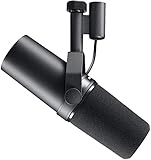
The Shure SM7B is a large-body dynamic microphone with a long and well-earned reputation in professional radio, podcast studios and vocal recording. Its design is built around a purely XLR output, which means it slots into a signal chain that already includes — or is budgeted to include — an audio interface or broadcast mixer. For anyone investing in a proper desk setup, that is rarely a problem, and the rewards are a famously smooth, warm audio character that flatters spoken voices and handles room noise with considerable composure.
One of the SM7B’s standout strengths is its internal pop filter and detachable windscreen, which together mean you can speak relatively close to the capsule without the harsh plosive sounds that plague cheaper microphones. Its wide frequency response and controlled directional pickup also mean that even a modestly treated room sounds noticeably cleaner on a recording. These are qualities that have kept this microphone relevant across multiple generations of content creators.
The honest limitation is that the SM7B is a demanding microphone in terms of the gain it requires from a preamp. A low-quality or budget interface may struggle to drive it to a usable level without introducing noise, which means your total investment should account for a capable audio interface alongside the microphone itself. For anyone not already owning that hardware, the overall cost rises considerably.
Røde PodMic USB: the versatile all-in-one for streamers, gamers and flexible creators

The Røde PodMic USB is a dynamic broadcast microphone designed with modern content creators firmly in mind. Its headline feature is dual connectivity: you can run it over USB directly into a laptop or desktop with zero additional hardware, or switch to XLR when you are ready to integrate it into a more traditional audio setup. That flexibility makes it genuinely useful across a wide range of situations — from a bedroom streaming corner to a small podcast studio.
Røde has given the PodMic USB a robust, all-metal build that feels substantial on a desk or arm, and the internal pop filtering keeps voice recordings clean without demanding perfect mic technique. The USB path also means you can monitor your own voice directly through headphones plugged into the microphone itself, a practical touch for solo creators who want to hear what they sound like in real time without routing audio through a separate interface.
The limitation worth noting is that, while the PodMic USB delivers genuinely impressive audio quality for its class, critical listeners comparing it directly to the SM7B through a high-quality XLR chain may detect a slightly different tonal character — the SM7B’s warmth and body through a good preamp is a particular quality that the USB path cannot entirely replicate. For most listeners and most use cases, however, the difference is far smaller than the price and setup gap might suggest.
Head-to-head: Shure SM7B vs Røde PodMic USB
Sound character: Both microphones deliver smooth, broadcast-friendly audio that flatters the spoken voice and rejects unwanted room noise well. The SM7B through a quality XLR preamp tends to produce a notably warm, full-bodied tone that has made it a studio favourite for generations. The PodMic USB holds its own impressively, especially over USB, and produces clean, natural-sounding results — but the SM7B has a slight edge in depth and warmth when both are used in an ideal XLR setup.
Connectivity and setup: This is the most important practical difference. The SM7B is XLR-only, so it cannot function without an audio interface or mixer. The PodMic USB works over USB straight out of the box and also offers XLR when needed. For anyone without existing interface hardware, the PodMic USB is dramatically easier to get started with. The SM7B rewards a more invested setup but demands it too.
Noise rejection and room handling: Both are dynamic microphones, which as a category are more forgiving of untreated rooms than condenser alternatives. The SM7B is particularly well regarded for rejecting off-axis sounds and handling less-than-perfect acoustic environments, a quality that has long made it popular with home studio users. The PodMic USB is similarly capable in this regard and will handle a typical home office or streaming room comfortably.
Build quality and design: Both microphones are solidly built with all-metal construction and a purposeful broadcast aesthetic. The SM7B is notably larger and heavier, which gives it a commanding presence on a mic arm. The PodMic USB is more compact and slightly lighter, which can be an advantage for smaller desks or when portability between locations matters.
Ease of use and monitoring: The PodMic USB wins clearly here. USB plug-and-play operation, direct headphone monitoring via the microphone itself, and no requirement for any additional hardware means a first-time user can be recording quality audio in minutes. The SM7B demands more upfront knowledge and investment but gives you greater control over your signal chain once everything is in place.
Value and overall cost: The SM7B is the pricier of the two, and that price does not include the audio interface you will also need. The PodMic USB is the more affordable option and includes everything needed to start recording immediately over USB. If you weigh total system cost rather than just the microphone price, the gap between the two setups becomes even wider.
Frequently asked questions
Which sounds better for podcasting — the Shure SM7B or the Røde PodMic USB?
Both sound excellent for podcasting. The SM7B has a slight advantage in warmth and body when paired with a quality preamp over XLR, which is why it remains a studio staple. The PodMic USB is impressively close, especially given that it works over USB without any additional hardware. For most listeners, the difference in a finished, edited podcast would be difficult to detect.
Do I need an audio interface for the Røde PodMic USB, or the Shure SM7B?
For the Røde PodMic USB, no — it connects directly to your computer via USB and works immediately. For the Shure SM7B, yes — it is an XLR-only microphone and cannot function without an audio interface or mixer. This is the single biggest practical difference between the two products.
Is the Shure SM7B worth more than the Røde PodMic USB for a home studio?
It depends on your existing gear. If you already own a capable audio interface, the SM7B is a strong investment and its sound quality justifies the higher cost. If you are starting from scratch, the PodMic USB offers outstanding quality with far less upfront spend and complexity, making it the smarter value proposition for most home studio builders.
Which is better for streaming and gaming — the SM7B or the PodMic USB?
The Røde PodMic USB has a clear advantage for streamers and gamers. Its USB connectivity means simple setup, and its direct headphone monitoring lets you check your audio without extra routing. The SM7B can absolutely be used for streaming, but you will need an interface and more desk space to make it work.
Can the Røde PodMic USB match the Shure SM7B in a professional broadcast context?
For professional broadcast over XLR, the SM7B remains the benchmark, and its decades of proven performance in that environment count for something. The PodMic USB is a serious contender and its XLR mode is genuinely capable, but the SM7B’s particular tonal character and its reputation in demanding broadcast environments give it an edge in that specific context.
The verdict
Choose the Shure SM7B if you already own — or are committed to buying — a quality audio interface, and you want the warmest, most broadcast-ready XLR microphone available at this price point. It is the right tool for a dedicated recording or podcast studio where sound quality above all else is the priority, and where the extra complexity of an XLR signal chain is already part of your workflow.
Choose the Røde PodMic USB if you want broadcast-quality audio without the faff of additional hardware, or if flexibility matters — being able to go USB today and XLR tomorrow is genuinely useful as your setup evolves. It is also the stronger choice for streamers, gamers and content creators who need to get up and running quickly without a large total system investment.
If you are already deep in a professional audio setup and own the supporting gear, either microphone will serve you well — and both will produce podcast audio that sounds far more polished than the vast majority of what is published online. The decision really comes down to your signal chain, your budget for the whole system, and how much setup complexity you are willing to take on.
For more, browse all our reviews and roundups.
AudioTechExpert is reader-supported. This article contains affiliate links, and we may earn a commission on qualifying purchases at no extra cost to you.