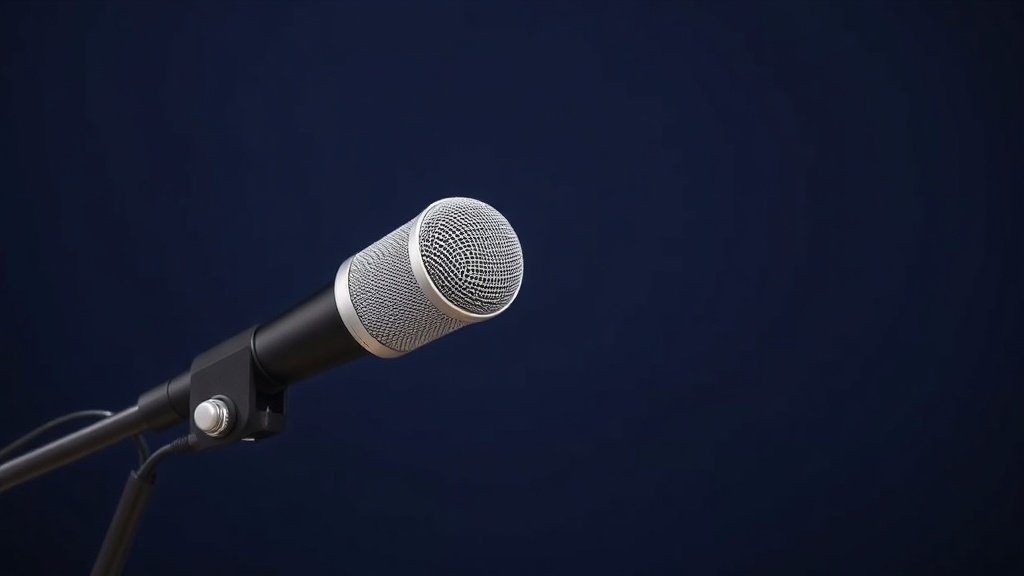
If you are shopping for a serious broadcast-grade dynamic microphone, chances are you have already landed on two names: the Shure SM7B and the Rode Procaster. Both are cardioid dynamic microphones built specifically for voice work — podcasting, broadcasting, streaming, and voiceover — and both carry a strong reputation in professional studios and home setups alike. The question is not which one is famous; they both are. The question is which one is the better fit for you.
This comparison looks at the two microphones side by side across the criteria that matter most to a voice-focused buyer: sound character, build quality, ease of use, mounting and positioning, and overall value. We are not here to crown a single winner — these are two genuinely strong products aimed at slightly different types of users, and the right choice depends on your workflow, your signal chain, and how much you enjoy tweaking settings.
Quick answer: for most people the Shure SM7B remains the go-to — a wider, flatter response and onboard tone switches make it the broadcast standard, though it needs a lot of clean gain (often a Cloudlifter). Choose the Rode Procaster if you want a very similar broadcast sound for around half the price and a slightly higher output that’s easier to drive.
| Feature | Shure SM7B Our pick |
Rode Procaster |
|---|---|---|
| Price | $429.00 | $199.00 |
| Type | Dynamic (cardioid) | Dynamic (cardioid) |
| Connection | XLR | XLR |
| Frequency response | 50 Hz – 20 kHz | 75 Hz – 18 kHz |
| Output level | Very low (~-59 dBV) | Higher (~-56 dBV) — easier to drive |
| Gain needed | High (~60 dB, often a Cloudlifter) | High, but a bit easier than SM7B |
| Onboard switches | Bass roll-off + presence boost | None |
| In the box | Detachable windscreen | Internal pop filter + shock mount |
| Phantom power | Not required | Not required |
| Best for | The broadcast standard, flatter/wider sound | Value broadcast sound, easier gain |
| Verdict | Our pick: the standard — wider response + tone switches | Great value — broadcast sound, ~half the price |
| Check price | View on Amazon | View on Amazon |
Read on for a full breakdown of what each microphone does well, where each one falls a little short, and a clear verdict on which type of buyer should go with which.
Shure SM7B: the industry-standard workhorse with built-in versatility
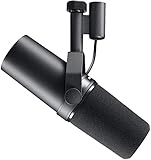
The Shure SM7B has been a fixture in professional broadcast and recording environments for decades. It is a large-diaphragm dynamic microphone with a cardioid polar pattern, and it ships with both a close-talk windscreen and a larger general-purpose windscreen, along with a yoke-style mount that attaches to a boom arm. What has kept it relevant for so long is its combination of a smooth, warm voice character and a set of onboard controls — a presence boost switch and a bass-roll-off switch — that let you shape the sound directly on the microphone without touching your software.
The SM7B is particularly well suited to broadcasters and podcasters who want flexibility. The switchable presence boost can add clarity and ‘air’ to a voice that sounds too flat, while the bass roll-off is handy for taming proximity effect when you are working very close to the capsule. It handles high sound pressure levels without complaint, which makes it a reasonable choice for louder sources as well as voice. The build quality feels reassuringly solid — this is a microphone designed to last.
The honest limitation of the SM7B is its gain requirements. It is a relatively low-output dynamic microphone, which means cheaper or lower-powered audio interfaces can struggle to drive it to a usable level without introducing noise. If your interface has a modest preamp, you may find yourself shopping for an inline preamp booster as well, which adds to the overall cost.
Rode Procaster: the focused, no-frills broadcast voice mic

The Rode Procaster is Rode’s dedicated broadcast dynamic microphone, designed from the ground up for voice applications. Like the SM7B, it uses a cardioid polar pattern and is built to reject off-axis noise — an essential quality for home studios where room acoustics are less than ideal. Rode has tuned the Procaster specifically for the spoken word, and that focus shows in its sound: it delivers a tight, controlled, and professional broadcast character that translates well on air and in recordings without much additional processing.
One area where the Procaster shines is ease of setup. It has a built-in internal pop filter and a tailored frequency response that is voiced for speech, so many users find it sounds good with minimal EQ out of the box. It ships with an internal shock mount to reduce handling noise and a thread mount for attachment to a boom arm. The build is robust — Rode manufactures it with an all-metal body that feels premium in the hand and on the desk.
The Procaster’s main limitation compared to the SM7B is its lack of onboard tone-shaping controls. There are no switches for presence boost or bass roll-off, so if you need to adjust the sound character you will be doing it in software or at your interface. For some users that is a perfectly acceptable workflow, but for those who prefer to get a finalised sound at the source, the absence of those controls is a genuine trade-off.
Head-to-head: SM7B vs Procaster
Sound character: Both microphones deliver a warm, controlled, broadcast-ready voice tone, but they have distinct personalities. The SM7B leans slightly darker and smoother by default, with the option to brighten things up using the onboard presence switch. The Procaster is voiced for a tighter, more focused midrange that suits spoken word without much post-processing. Neither is objectively better — it comes down to whether you prefer to shape sound at the source or in the mix.
Onboard controls and flexibility: The SM7B takes a clear edge here. Its switchable presence boost and bass roll-off give you meaningful control over the output signal before it even reaches your interface. The Procaster offers none of this — what you capture is what you get until you reach your DAW or mixer. If adaptability matters to you, the SM7B is the stronger choice.
Gain requirements: Both are dynamic microphones and neither is especially sensitive, but the SM7B is generally considered to be more demanding of a clean, high-gain preamp than the Procaster. If you have a modest interface, the Procaster may be the more forgiving option in a practical sense, as it tends to play a little more nicely with a wider range of front ends.
Build and accessories: Both microphones feel solidly built, with metal construction that should withstand years of regular use. The SM7B ships with two windscreen options and a yoke mount, which is a generous accessory package. The Procaster includes an integrated pop filter and a thread mount. Neither ships with a boom arm; you will need to source that separately for either mic.
Ease of use: The Procaster’s simpler, single-purpose design makes it arguably the easier of the two to set up and forget. Point it at your mouth, set your gain, and record. The SM7B offers more options but also more decisions — some users find that genuinely useful, others find it unnecessary complexity. First-time broadcast mic buyers may appreciate the Procaster’s ‘just works’ approach.
Value: The SM7B is typically the pricier of the two. Whether that premium is justified depends on your use case. If you need the onboard tone controls and the additional gain-handling flexibility, the extra outlay makes sense. If you want a straightforward broadcast voice mic that sounds excellent without the extras, the Procaster represents strong value at its more affordable price point.
Frequently asked questions
Which has better sound quality — the SM7B or the Procaster?
Both microphones deliver professional, broadcast-quality sound suited to voice work. The SM7B offers a warmer, smoother default tone with the ability to add presence via its onboard switch. The Procaster is tuned for a focused, speech-optimised character. ‘Better’ depends on your voice and preferences — ideally, audition both if possible.
Which is easier to set up — the SM7B or the Procaster?
The Procaster has a slight edge in simplicity. With no onboard controls to configure and a built-in pop filter, it is a more ‘plug in and record’ experience. The SM7B gives you more control but also more to think about during setup, particularly around gain staging with your interface.
Does the SM7B need a preamp booster compared to the Procaster?
The SM7B is known for its demanding gain requirements and may benefit from an inline booster if your interface preamps are modest. The Procaster is generally considered slightly less demanding in this regard, making it a more straightforward pairing with mid-range interfaces.
Is the SM7B worth more than the Procaster?
For users who value onboard tonal flexibility, the SM7B’s higher price is justifiable. For those who want a clean, purpose-built broadcast voice mic without the extras, the Procaster delivers comparable professional results at a lower cost, making it arguably better value for straightforward voice applications.
Which is better for home podcasting — the SM7B or the Procaster?
Both work excellently in home podcast setups. The Procaster’s tight cardioid pattern and tailored voice tuning make it slightly more forgiving in untreated rooms. The SM7B gives you more tools to dial in your sound but may require a better interface to shine. Either will produce professional results in a home studio context.
The verdict
Choose the Shure SM7B if you want maximum flexibility and you already have — or are willing to invest in — a capable preamp or audio interface. Its onboard presence and bass-roll-off controls are genuinely useful for dialling in a polished sound at the source, and its long track record in professional broadcast environments speaks for itself. It suits experienced users who enjoy having options.
Choose the Rode Procaster if you want a focused, no-fuss broadcast microphone that sounds excellent out of the box without demanding a premium front end or a menu of settings. Its speech-optimised tuning and simpler setup make it an ideal choice for podcasters and broadcasters who want to spend less time tweaking and more time recording. It also represents the more wallet-friendly path to a professional broadcast sound.
If you are genuinely happy with either, you are in good company — both microphones sit at the top of the dynamic broadcast mic category for good reason, and either will serve you well for years.
For more, browse all our reviews and roundups.
AudioTechExpert is reader-supported. This article contains affiliate links, and we may earn a commission on qualifying purchases at no extra cost to you.