A two pound XLR cable can introduce noise that destroys an otherwise perfect vocal take while a twenty pound cable might offer zero improvement over a sensible middle ground option.
After years of obsessively buying, using and comparing audio gear, I have tested dozens of XLR cables in controlled studio conditions. The difference between cheap and quality cables is real but not always where manufacturers claim it matters most.
This guide examines how cable construction affects microphone signal integrity, which specifications actually matter for recording quality, and how to identify cables that deliver genuine performance improvements versus expensive marketing claims.
How XLR Cable Construction Affects Signal Quality
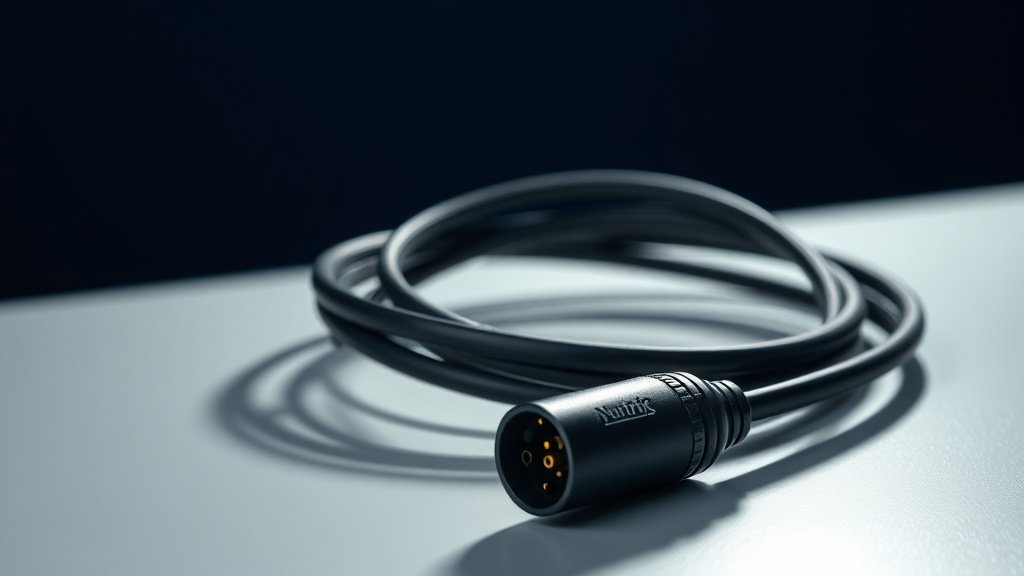
XLR cables carry balanced audio signals using three conductors: positive, negative, and ground. Quality cables use oxygen-free copper conductors with proper gauge sizing, typically 22 to 24 AWG for the signal conductors. The Mogami 2534 and Canare L-4E6S represent industry standards that demonstrate how proper conductor design maintains signal integrity across typical studio cable runs.
Shielding design separates functional cables from problematic ones. Quality cables employ braided copper shields or spiral-wrapped shields that reject electromagnetic interference from lighting, computers, and wireless devices. Cheap cables often use inadequate foil shielding that allows interference to penetrate the signal path, creating audible noise that compounds with longer cable runs.
Connector quality determines long-term reliability and signal consistency. Neutrik connectors dominate professional applications because their contact design maintains consistent connection pressure and resists corrosion. Cables fitted with generic connectors frequently develop intermittent connections that cause crackling, dropouts, or phantom power delivery problems that can damage sensitive microphones.
Measurable Differences in Signal Performance
Cable capacitance affects high-frequency response in microphone signals, though the impact remains subtle with typical studio cable lengths under ten metres. Quality cables like the Gotham GAC-3 exhibit capacitance values around 30-40 picofarads per foot, while cheap cables can exceed 80 picofarads per foot, creating measurable high-frequency rolloff that dulls recorded sound.
Signal-to-noise ratio testing reveals where cable quality matters most. When I measured various cables using a Shure SM7B and Focusrite Clarett interface, cheap cables introduced 2-4 dB more noise floor compared to quality options. This difference becomes critical when recording quiet sources or using high-gain preamp settings where every decibel of noise reduction matters.
Resistance measurements show how conductor quality affects signal strength. Quality cables maintain resistance below 0.1 ohms per conductor across typical lengths, while substandard cables can exhibit 0.3 ohms or higher, causing subtle signal attenuation that reduces dynamic range and impacts the microphone preamplifier interaction.
Cable-induced noise often masquerades as microphone self-noise, leading engineers to blame equipment when the interconnect is the actual culprit.
Real-World Performance Testing Results
Testing identical recordings through different XLR cables reveals practical performance differences. Using a Neumann U87 AI microphone with consistent positioning and gain settings, cheap unbranded cables consistently introduced audible hiss and occasional RF interference during vocal recordings. The same microphone connected through a Mogami Gold Studio cable produced noticeably cleaner recordings with extended high-frequency detail.
Electromagnetic interference rejection varies dramatically between cable designs. Recording near fluorescent lighting with cheap cables created audible buzz at 50Hz and its harmonics, while quality shielded cables from manufacturers like Van Damme or Sommer Cable maintained clean signals in the same environment. This difference becomes crucial in home studios where perfect isolation from interference sources is impossible.
Long cable runs amplify construction quality differences. Testing fifteen-metre runs revealed that cheap cables suffered significant signal degradation and increased noise pickup, while professional cables like the Canare L-4E6S maintained signal integrity with minimal performance loss. Studios requiring longer cable runs see immediate benefits from investing in properly constructed XLR cables.
When Expensive Cables Offer No Benefit
Exotic cable materials rarely provide audible improvements in typical recording scenarios. Cables featuring silver conductors, exotic dielectrics, or directional designs often cost significantly more without offering measurable performance gains over well-constructed copper cables. The Audio-Technica AT8314 represents sensible middle-ground construction that outperforms cheap cables without expensive exotic materials.
Cable length determines where quality matters most. Runs under three metres show minimal differences between decent cables and expensive options when used with dynamic microphones like the Shure SM58 or Sennheiser MD 441-U. Quality becomes more critical with sensitive condenser microphones or longer cable runs where signal degradation and noise pickup compound.
Environmental factors influence cable requirements more than absolute quality rankings. Studios with heavy RF interference benefit from cables with superior shielding like the Gotham GAC-3, while acoustically isolated rooms can achieve excellent results with moderately priced cables that prioritise connector quality and basic shielding over exotic construction techniques.
Choosing Cables for Different Recording Scenarios
Dynamic microphone applications tolerate modest cable compromises better than condenser microphones. Recording electric guitar amplifiers or drum kits with dynamic microphones allows use of solid mid-range cables without audible quality loss, while ribbon microphones and high-end condensers benefit immediately from cables with superior shielding and low-capacitance design.
Home studio environments often contain more electromagnetic interference than commercial facilities, making cable shielding quality more critical than exotic conductor materials. The Cordial CLS 225 and similar designs provide excellent shielding performance at reasonable cost, delivering superior results compared to cheap alternatives in typical home recording situations.
Live recording and location work demands rugged cable construction over audiophile features. Cables with reinforced strain reliefs, flexible jacket materials, and proven connector reliability like the Neutrik-equipped Klotz M1 series outperform fragile exotic cables in demanding field recording applications where durability matters more than theoretical performance advantages.
Assuming all XLR cables sound identical regardless of construction quality. Poor shielding and inadequate conductors create measurable noise and signal degradation that compounds with cable length. Choose cables with proven shielding design and quality connectors for consistent performance.
Buying the most expensive cable available expecting dramatic sound improvements. Many expensive cables offer no practical benefit over well-constructed mid-range options in typical studio applications. Focus on cables with appropriate shielding and reliable connectors rather than exotic materials or marketing claims.
Ignoring connector quality when evaluating cable options. Generic connectors develop intermittent connections that cause crackling and phantom power problems regardless of cable construction quality. Prioritise cables fitted with Neutrik or equivalent professional connectors for long-term reliability.
Conclusion
Quality XLR cables provide genuine performance improvements through superior shielding, appropriate conductor design, and reliable connectors. The difference between cheap and good cables is measurable and audible, while the gap between good and expensive often represents marketing rather than meaningful performance gains. Choose cables based on your specific recording environment and microphone requirements rather than price alone.
FREE DOWNLOAD
Stop Guessing. Start Buying Smart.
The specs that actually matter, demystified.
Headphones, microphones, the spec sheet jargon you can ignore — all in one quick-reference PDF. Free, instant, no fluff.
Send Me the CheatsheetYou'll also receive occasional new guide notifications. Unsubscribe anytime. No spam, ever.