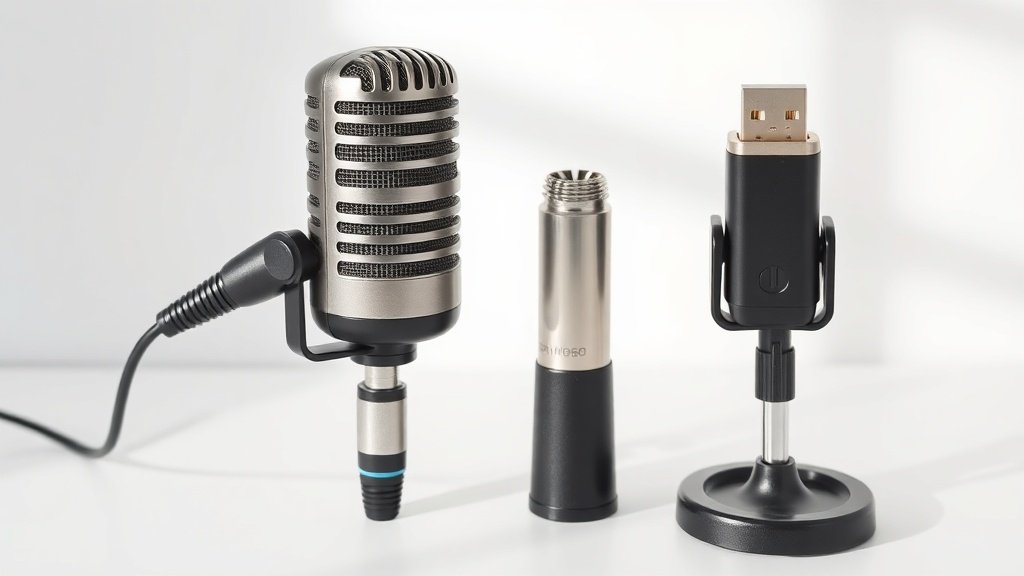
Choose the wrong microphone connection and even premium capsules deliver disappointing results through signal chain compromises that plague home studios.
After years of obsessively buying, using and comparing audio gear, I have watched the USB microphone market mature from novelty to legitimate recording tool. The connection method fundamentally shapes not just sound quality but workflow flexibility and upgrade paths that determine whether your setup grows with your needs or becomes a dead end.
This guide examines XLR and USB microphones across the technical and practical factors that matter for recording quality and long-term value. We will cover signal conversion, preamp quality, phantom power handling, and the hidden costs that emerge when building around each connection type.
How XLR and USB Microphones Handle Signal Conversion
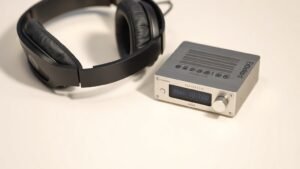
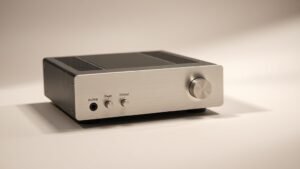
XLR microphones output analogue audio that requires external conversion through dedicated interfaces or mixing consoles. The Shure SM7B delivers its balanced analogue signal to your audio interface preamp, which amplifies and converts the signal through dedicated ADC circuits designed specifically for audio. This separation allows you to choose conversion quality independently from the microphone itself.
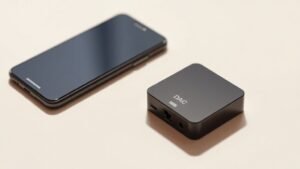
USB microphones integrate the entire signal chain within the microphone housing. The Audio-Technica AT2020USB+ contains the same capsule as its XLR counterpart but adds an internal preamp and analog-to-digital converter. The USB connection carries digital audio directly to your computer, bypassing external interfaces entirely.
The quality difference comes down to component selection and thermal management. Professional interfaces like the Focusrite Clarett series dedicate substantial circuit board space and power regulation to conversion circuits. USB microphones compress these same functions into the limited space and power budget of the microphone housing, typically using simpler converter chips and basic preamp designs.
Professional interfaces dedicate substantial circuit board space and power regulation to conversion circuits that USB microphones cannot match within their housing constraints.
Preamp Quality and Gain Structure Differences
XLR connections benefit from dedicated preamp circuits designed for specific impedance and gain requirements. The RME Babyface Pro delivers 65 decibels of clean gain with selectable impedance matching that optimises the interface between microphone output and converter input. Dynamic microphones like the Electro-Voice RE20 require significant gain, and quality preamps provide this amplification without introducing noise or distortion.
USB microphones rely on miniaturised preamp circuits that prioritise cost and size over performance. The Blue Yeti contains a basic preamp adequate for its internal condenser capsule but lacks the gain range and impedance flexibility of dedicated interfaces. Most USB microphones work well with loud sources but struggle with quiet speakers or distant placement where additional clean gain becomes essential.
The gain structure also differs significantly between connection types. XLR setups allow independent control of input gain at the interface and output level in software, providing precise level management throughout the signal chain. USB microphones typically offer basic gain adjustment through software controls that operate within the digital domain, reducing resolution and dynamic range compared to analogue gain staging.
Phantom Power and Microphone Compatibility
XLR interfaces provide standardised 48-volt phantom power that supports the full range of condenser microphones without compromise. The Neumann TLM 103 draws 9.5 milliamps of phantom power current that quality interfaces supply consistently regardless of cable length or environmental factors. Professional phantom power implementation includes proper current limiting and filtering that protects sensitive capsule electronics.
USB microphones receive power directly from the USB connection, which provides 5 volts at limited current compared to phantom power standards. This constraint forces USB condenser designs to use less sensitive capsules or internal voltage converters that introduce potential noise sources. The Rode PodMic USB demonstrates how manufacturers work within these limitations, but the fundamental power constraint remains.
Dynamic microphones present different considerations across connection types. The Shure SM58 works identically through XLR regardless of interface choice, while USB dynamic microphones like the Samson Q2U include internal electronics that can fail independently of the capsule itself. XLR connections offer the reliability of passive signal paths that eliminate potential electronic failure points.
Flexibility and Expansion Considerations
XLR-based setups scale naturally as recording needs expand. Starting with a single-input interface like the Focusrite Scarlett Solo provides a foundation that grows to multi-input interfaces without changing microphones or workflow. The same Shure SM57 that captures guitar amps in a home studio integrates seamlessly into larger console-based facilities.
USB microphones create individual connections that do not aggregate easily for multi-microphone recording. Recording two people requires either separate USB microphones with individual software handling or accepting the compromises of shared-microphone positioning. Professional software like Pro Tools handles multiple USB audio devices, but the workflow complexity increases significantly compared to multi-input interfaces.
The upgrade path also differs substantially between connection types. XLR microphones retain their value and functionality when paired with better interfaces, allowing gradual system improvements over time. USB microphones become obsolete when their internal electronics no longer meet your quality requirements, forcing complete replacement rather than component upgrades.
Assuming USB microphones always sound worse than XLR equivalents. Quality USB microphones like the Audio-Technica AT2020USB+ deliver excellent results for single-person recording applications. Compare the specific models rather than dismissing the entire connection type.
Buying XLR microphones without considering the total system cost. A Neumann TLM 102 requires a quality interface to realise its potential, while a Blue Blackout Spark SL delivers professional results through USB connection alone. Factor interface costs into XLR system budgets.
Choosing connection type based on perceived professionalism rather than actual requirements. USB microphones serve podcast and voiceover applications excellently, while XLR connections make sense for multi-microphone recording and professional studio integration. Match the connection to your specific workflow needs.
Conclusion
XLR microphones offer superior flexibility and upgrade potential through dedicated interface partnerships, while USB microphones provide complete solutions for single-microphone applications. Your connection choice should reflect recording requirements, system expansion plans, and budget allocation across the entire signal chain rather than microphone cost alone.

FREE DOWNLOAD
Stop Guessing. Start Buying Smart.
The specs that actually matter, demystified.
Headphones, microphones, the spec sheet jargon you can ignore — all in one quick-reference PDF. Free, instant, no fluff.
Send Me the CheatsheetYou'll also receive occasional new guide notifications. Unsubscribe anytime. No spam, ever.