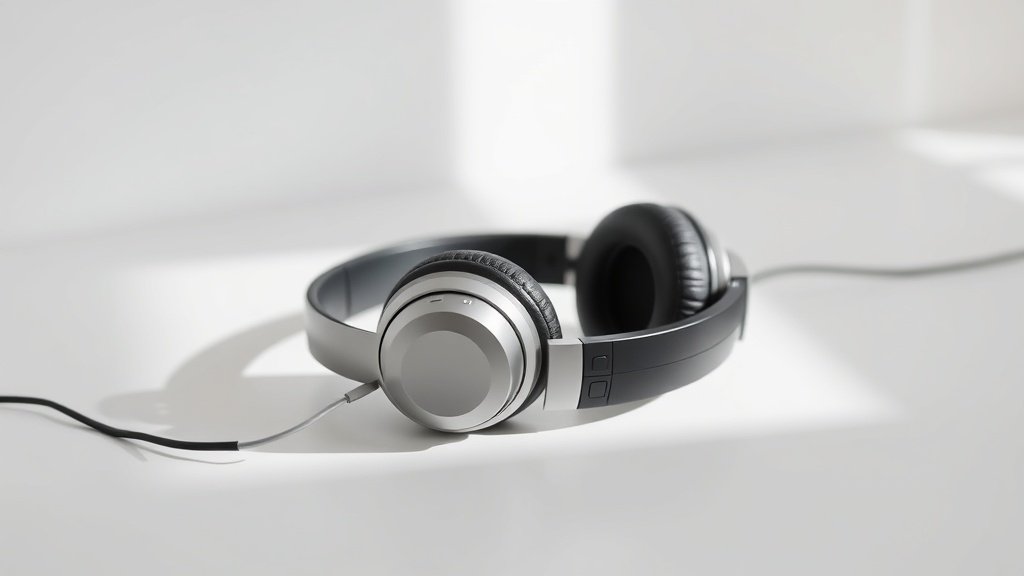
Active noise cancellation can reduce low-frequency rumble by up to 30 decibels, but it cannot silence a crying baby or eliminate keyboard clicks.
Active noise cancellation works by capturing ambient sound with external microphones, processing that signal through digital circuits, and playing back an inverted waveform that cancels the original noise. The technology excels at reducing consistent, low-frequency sounds like aircraft engines, air conditioning hum, and traffic drone, but struggles with sudden, high-frequency noises.
This guide explains the technical process behind active noise cancellation, examines its practical limitations, and helps you understand when the technology adds genuine value versus when passive isolation works better.
The Physics Behind Active Cancellation
Active noise cancellation relies on destructive interference between sound waves. When two identical waveforms meet 180 degrees out of phase, they cancel each other out, creating silence. The Sony WH-1000XM5 and Bose QuietComfort 45 both use multiple external microphones to capture ambient noise, typically positioning one microphone on each ear cup to monitor the surrounding environment.
The captured sound signal travels to a digital signal processor that analyses the incoming waveform and generates an exact inverse copy within milliseconds. This inverted signal plays through the headphone drivers alongside your music, cancelling the unwanted noise before it reaches your ears. The entire process happens continuously, adjusting hundreds of times per second to maintain effective cancellation.
The speed of this process determines cancellation effectiveness. Sound travels at roughly 343 metres per second through air, so the processing circuit must generate its inverse waveform before the original sound wave completes its journey from the microphone to your ear canal. This physical constraint explains why active cancellation works best on steady, predictable sounds rather than sharp, sudden noises.
Frequency Response and Limitations
Active noise cancellation performs best between 20Hz and 800Hz, with peak effectiveness around 100Hz to 300Hz where aircraft engines, air conditioning systems, and road noise concentrate their energy. The Sennheiser Momentum 4 Wireless demonstrates this frequency focus, reducing subway rumble dramatically while leaving conversation and keyboard sounds largely unaffected.
Above 1kHz, the wavelengths become too short for the processing delay to maintain effective phase alignment. By the time the system generates its inverse waveform, the original high-frequency sound has already passed. This limitation means active cancellation cannot eliminate sudden sounds like door slams, phone notifications, or human speech, which contain significant high-frequency content.
Temperature and altitude changes affect cancellation performance because they alter the speed of sound. Some premium models like the Apple AirPods Max include environmental sensors that adjust processing parameters automatically, maintaining consistent performance across different conditions.
Active noise cancellation works by creating perfect inverse waveforms that destructively interfere with unwanted low-frequency sounds.
Passive Isolation vs Active Cancellation
Passive noise isolation uses physical barriers like thick ear pads and closed-back designs to block sound mechanically. The Beyerdynamic DT 770 Pro achieves excellent isolation through dense foam padding and a sealed acoustic chamber, reducing all frequencies equally without requiring power or processing. This mechanical approach works across the entire frequency spectrum, unlike active cancellation which focuses on lower frequencies.
Combining both approaches creates the most effective noise reduction. The Audio-Technica ATH-M50x provides strong passive isolation that handles mid and high frequencies, while models like the Focal Bathys add active cancellation to address low-frequency rumble that physical barriers cannot stop. The two technologies complement rather than compete with each other.
Active cancellation consumes battery power and adds processing latency, typically 2-5 milliseconds depending on the implementation. For critical listening or studio monitoring, this delay can affect timing perception, making passive isolation the preferred choice for professional audio work.
Implementation Quality and Real-World Performance
Not all active noise cancellation systems perform equally. Premium implementations like those in the Bose QuietComfort Ultra use multiple microphones per ear cup, sophisticated algorithms, and high-quality digital processing to achieve smooth, natural-sounding cancellation. Budget implementations may create audible artifacts, produce a sensation of pressure, or generate a subtle hissing noise when cancellation activates.
The microphone placement and quality directly affects performance. External microphones must capture ambient noise accurately without picking up sound from the headphone drivers themselves, requiring careful acoustic design and precise positioning. Internal microphones monitor the sound actually reaching your ears, allowing the system to fine-tune cancellation in real time.
Environmental factors influence effectiveness significantly. Wind noise can overwhelm the microphones and disrupt cancellation, which is why many models include wind detection algorithms that adjust processing automatically. The Jabra Elite 85h includes such features, reducing cancellation strength when wind noise would otherwise create artifacts.
When Active Cancellation Adds Value
Active noise cancellation proves most beneficial in consistent noise environments like aircraft cabins, trains, buses, and open offices where HVAC systems create steady background hum. The technology allows you to enjoy music or podcasts at lower volumes by removing the low-frequency drone that typically masks quieter details, reducing long-term hearing fatigue.
For frequent travellers, active cancellation can significantly improve comfort during long flights or commutes. The constant rumble of jet engines or road noise disappears, leaving only the higher-frequency sounds that passive isolation handles more easily. This reduction in overall noise exposure helps maintain concentration and reduces the stress response that constant background noise typically triggers.
However, active cancellation provides limited benefit in quiet environments or situations where you need environmental awareness for safety. The technology cannot replace proper hearing protection in truly loud environments like construction sites or concert venues, where passive protection rated for specific decibel levels becomes necessary.
Expecting active cancellation to eliminate all environmental noise leads to disappointment. The technology specifically targets low-frequency, consistent sounds and cannot cancel sudden noises, conversations, or high-pitched sounds effectively. Understand these limitations before purchasing.
Using active cancellation as a substitute for proper hearing protection in loud environments creates safety risks. Construction sites, workshops, and live music venues require rated hearing protection that meets occupational safety standards, not consumer headphones with noise cancellation features.
Ignoring the battery dependency of active cancellation systems can leave you without noise reduction when you need it most. Always check battery levels before travel and carry charging cables, as most headphones provide significantly less isolation when the active system powers down.
Conclusion
Active noise cancellation effectively reduces low-frequency environmental noise through phase inversion technology, making it valuable for travel and noisy workspaces. The technology complements rather than replaces passive isolation, and understanding its frequency limitations helps set appropriate expectations for real-world performance.

FREE DOWNLOAD
Stop Guessing. Start Buying Smart.
The specs that actually matter, demystified.
Headphones, microphones, the spec sheet jargon you can ignore — all in one quick-reference PDF. Free, instant, no fluff.
Send Me the CheatsheetYou'll also receive occasional new guide notifications. Unsubscribe anytime. No spam, ever.