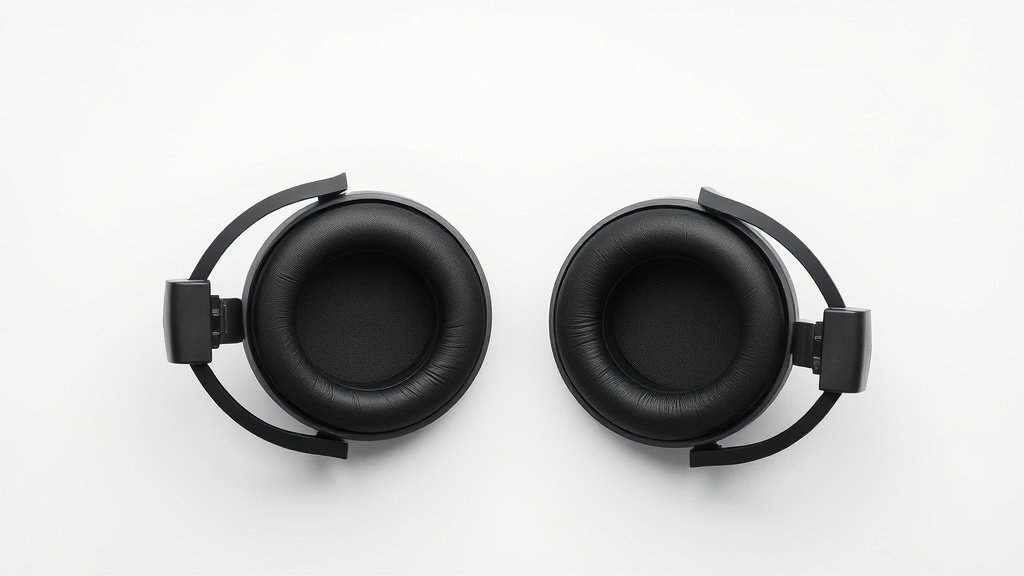
A headphone can measure perfectly flat on paper yet sound disappointingly thin because the real story happens below 100Hz where bass roll-off determines whether music feels powerful or lifeless.
Bass roll-off describes how quickly a headphone loses output as frequencies drop below a certain point. This acoustic phenomenon affects every driver design but manifests differently depending on enclosure type, driver size, and tuning philosophy. The result determines whether drums hit with authority or sound like cardboard boxes.
This guide examines why bass roll-off occurs, how different headphone designs handle low frequencies, and what frequency response measurements actually reveal about real-world listening experiences. We will explore practical examples using current headphone models and explain how to identify bass roll-off characteristics before purchasing.
The Physics Behind Bass Roll-Off
Bass roll-off stems from fundamental acoustic limitations in miniature driver systems. Dynamic drivers must move significant air volume to reproduce low frequencies effectively. Small 40mm drivers face physical constraints that larger studio monitors sidestep through dedicated woofers and enclosure volumes measured in litres rather than cubic centimetres.
Open-back designs like the Sennheiser HD600 series demonstrate textbook bass roll-off behaviour. Sound waves below 80Hz escape through the rear grilles instead of reaching your ears, creating the characteristic gentle slope seen in frequency measurements. This design prioritises midrange clarity and soundstage width over deep bass extension.
Closed-back headphones trap low frequencies more effectively but face different challenges. The sealed enclosure creates acoustic pressure that can boost certain bass frequencies while rolling off others. The Audio-Technica ATH-M50x shows how closed designs can extend deeper than open models yet still exhibit roll-off below 40Hz due to driver limitations.
Measuring Bass Roll-Off Behaviour
Frequency response graphs reveal bass roll-off through the slope pattern below 100Hz. A gradual decline indicates controlled roll-off that maintains musical balance. Sharp drops signal aggressive roll-off that removes fundamental frequencies entirely. Professional measurement rigs use calibrated microphones positioned inside artificial ear canals to capture these characteristics accurately.
The -3dB point indicates where output drops by half compared to the reference level, typically measured at 1kHz. Headphones with -3dB points around 40Hz maintain reasonable bass presence for most music. Models rolling off at 80Hz or higher often sound thin with electronic music or modern pop recordings that rely on sub-bass frequencies for impact.
However, raw measurements can mislead without context. The Grado SR325x measures with significant bass roll-off yet sounds balanced with acoustic music because the roll-off slope matches the spectral content of the intended repertoire. The key lies in matching headphone characteristics to musical preferences rather than chasing flat response curves.
Bass roll-off determines whether kick drums sound like powerful impacts or distant thumps regardless of how loud you turn the volume.
Design Approaches to Bass Extension
Planar magnetic drivers address bass roll-off through larger diaphragm surface area and different excursion characteristics. The Audeze LCD-X uses 106mm planar drivers that move air more efficiently at low frequencies compared to traditional dynamic designs. This technology extends bass response deeper while maintaining speed and detail, though at the cost of weight and power requirements.
Some manufacturers employ bass reflex designs borrowed from loudspeaker engineering. The Fostex TH-X00 series incorporates carefully tuned rear chambers that reinforce specific low frequencies while allowing controlled venting. This approach can extend perceived bass response but requires precise implementation to avoid resonant peaks or boomy colouration.
Driver size remains a crucial factor despite technological advances. The 50mm drivers in the Beyerdynamic DT770 Pro move more air than smaller alternatives, enabling better low-frequency reproduction within closed-back constraints. However, larger drivers can compromise upper midrange clarity if not properly engineered, creating trade-offs that affect overall tonal balance.
Real-World Impact on Different Music Genres
Electronic music suffers most obviously from premature bass roll-off because synthesised sub-bass often extends below 30Hz. Track elements like 808 drum samples lose their chest-thumping impact when headphones cannot reproduce the fundamental frequencies. The difference becomes immediately apparent when comparing the same track through headphones with different bass extension capabilities.
Classical music presents subtler challenges where bass roll-off affects instrumental timber rather than rhythmic impact. Double bass and organ pedal notes lose their foundational weight, making orchestral recordings sound lightweight and unconvincing. The Sony MDR-Z7M2 demonstrates how extended bass response can restore the proper scale and weight to symphonic recordings without overwhelming detail in other frequency ranges.
Rock and metal recordings often compensate for typical headphone limitations through production techniques that emphasise upper bass frequencies around 80-120Hz. However, modern production increasingly relies on sub-bass content for emotional impact, making bass extension more critical than previous decades. Headphones that rolled off acceptably for classic rock may sound inadequate with contemporary metal or progressive recordings.
Identifying and Addressing Bass Roll-Off Issues
Listen for specific musical cues that reveal bass roll-off characteristics before consulting measurements. Kick drums should produce distinct pitch information rather than generic thump sounds. Bass guitar should maintain note definition and harmonic content across the entire fretboard range. Synthesiser bass lines should feel substantial rather than thin or distant.
Room acoustics interact significantly with headphone bass response, though less obviously than with loudspeakers. Ambient noise can mask bass roll-off issues by forcing higher listening levels that create perceived bass boost through loudness curves. Quiet listening environments reveal bass limitations more clearly, making critical evaluation more accurate.
Equalisation can partially compensate for bass roll-off but cannot restore information that falls below the physical capabilities of the driver system. Boosting frequencies around the roll-off point may improve perceived balance but risks introducing distortion or reducing overall headroom. The most effective solution involves selecting headphones with appropriate bass extension for your musical preferences from the outset.
Assuming expensive headphones automatically provide better bass extension. Price often correlates with midrange clarity and build quality rather than low-frequency performance. Many high-end open-back models deliberately roll off bass to achieve their signature sound character.
Judging bass performance using only familiar recordings. Your regular music may not contain sufficient low-frequency content to reveal roll-off issues. Test with electronic music, modern film soundtracks, or bass guitar recordings to properly evaluate extension capabilities.
Relying on frequency response graphs without considering measurement conditions. Different measurement systems produce varying results, and artificial ear simulators may not reflect your individual ear canal acoustics. Personal listening remains the most reliable evaluation method.
Conclusion
Bass roll-off represents an inevitable compromise in headphone design that affects musical enjoyment more than technical specifications suggest. Understanding how different designs handle low frequencies helps match headphones to musical preferences and listening applications. The goal is not eliminating roll-off entirely but selecting models whose characteristics complement your audio priorities and repertoire choices.

FREE DOWNLOAD
Stop Guessing. Start Buying Smart.
The specs that actually matter, demystified.
Headphones, microphones, the spec sheet jargon you can ignore — all in one quick-reference PDF. Free, instant, no fluff.
Send Me the CheatsheetYou'll also receive occasional new guide notifications. Unsubscribe anytime. No spam, ever.