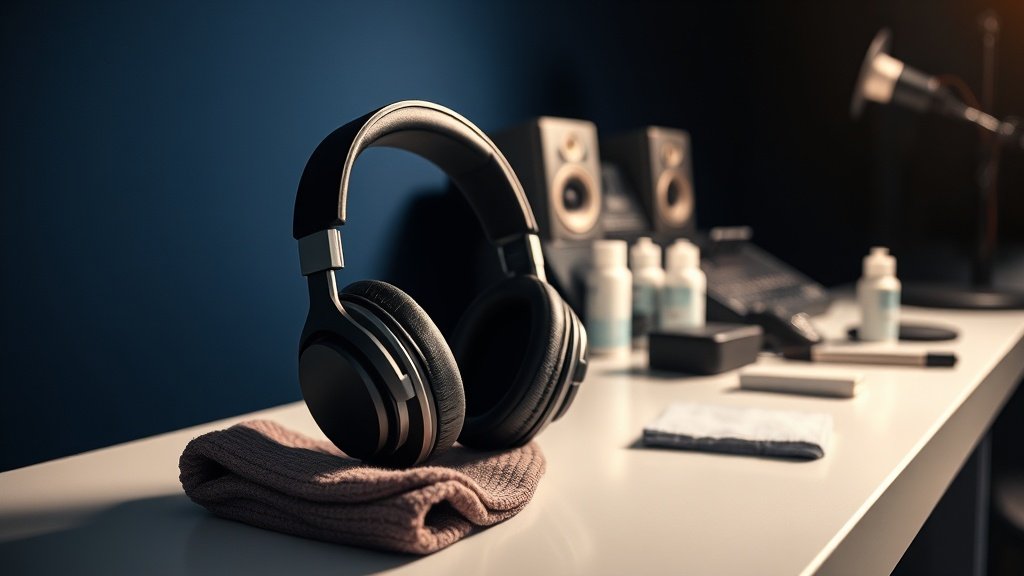
Most headphone failures result from neglect rather than normal wear, yet proper maintenance takes minutes per month and extends service life by years.
After years of obsessively buying, using and comparing audio gear, the pattern remains consistent. Well-maintained headphones from decent manufacturers outlast neglected premium models every time. The difference lies not in build quality alone but in understanding how headphones actually fail and preventing those failures through simple maintenance routines.
This guide covers the practical maintenance techniques that matter most for headphone longevity. We will examine proper cleaning methods for different headphone types, storage practices that prevent damage, cable care that eliminates connection issues, and the warning signs that indicate when professional service or replacement becomes necessary.
Understanding Headphone Wear Patterns
Headphones fail in predictable ways. Driver damage from excessive volume represents one failure mode, but mechanical wear causes far more problems. The headband padding compresses over time, ear pad materials break down from oils and moisture, and pivot joints accumulate debris that creates unwanted friction. Cable connections suffer the most stress, particularly where the wire enters the housing or connects to removable cables.
Different headphone designs present distinct maintenance challenges. Open-back models like the Sennheiser HD 650 expose drivers to dust accumulation but allow easier cleaning access. Closed-back designs such as the Audio-Technica ATH-M50x trap moisture and oils but protect internal components better. Planar magnetic headphones including the HiFiMAN Sundara require gentler handling due to their delicate driver construction, whilst dynamic driver models tolerate more aggressive cleaning.
Environmental factors accelerate wear significantly. Studio environments with consistent temperature and humidity preserve headphones better than home setups near heating sources or in damp basements. Tobacco smoke, cooking vapours, and pet hair create additional contamination that standard cleaning routines must address. Understanding these wear patterns guides effective maintenance scheduling.
Proper Cleaning Techniques for Different Materials
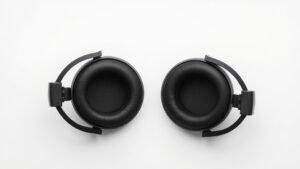
Ear pad maintenance determines comfort and hygiene more than any other factor. Leather pads require different care than fabric or synthetic materials. Genuine leather pads on models like the Beyerdynamic DT 1990 Pro benefit from leather conditioner applied sparingly every few months. Remove the pads first, clean with a barely damp microfibre cloth, allow complete drying, then apply conditioner with a cotton swab. Synthetic leather and pleather pads clean more aggressively with isopropyl alcohol solutions, but test cleaning products on hidden areas first.
Fabric ear pads present the greatest cleaning challenge because they absorb oils, sweat, and odours deeply. Velour pads common on AKG models respond well to gentle brushing with a clean toothbrush to restore texture after cleaning. Remove loose debris first, then use a slightly damp cloth with mild soap solution. Work in circular motions without oversaturating the material. Fabric protector sprays help repel future contamination but change the feel slightly.
Driver cleaning requires extreme caution. Never use liquids directly on drivers or allow moisture to penetrate the housing. Compressed air works effectively for dust removal, but maintain at least six inches distance and use brief bursts rather than continuous flow. For stubborn particles, use a clean paintbrush with soft bristles. Some technicians recommend anti-static brushes, but standard clean brushes work equally well with proper technique.
Cable stress at connection points causes more headphone failures than driver damage or electronic issues combined.
Cable Care and Connection Maintenance
Cable management prevents the majority of headphone failures. Stress concentrates where cables enter housings or connect to removable systems. Coiling cables tightly creates memory that leads to conductor breakage over time. Instead, use loose figure-eight wrapping or dedicated cable management accessories. Avoid wrapping cables around the headphone housing itself, which creates sharp bends at critical stress points.
Removable cable systems on headphones like the Focal Utopia or Audeze LCD series require specific maintenance attention. Clean connection points monthly with isopropyl alcohol on cotton swabs. Oxidation and debris accumulation create intermittent connections that manifest as channel dropouts or crackling sounds. Exercise the connections by plugging and unplugging cables several times during cleaning to scrape away surface contamination.
Professional cable testing identifies problems before they become failures. A simple multimeter continuity check reveals conductor breaks that cause intermittent operation. Test each conductor from plug tip to driver connection, flexing the cable gently during testing to reveal intermittent breaks. Most audio professionals keep backup cables for critical headphones rather than relying on emergency repairs during important sessions.
Storage and Environmental Protection
Proper storage prevents more damage than all cleaning efforts combined. Headphones left on desks accumulate dust, suffer accidental impacts, and experience temperature fluctuations that accelerate material degradation. Dedicated headphone stands provide better protection than hooks or hangers, which stress the headband structure unevenly. Stands with broad contact areas like the Sennheiser HH 10 distribute weight properly and maintain headband shape.
Climate control matters more than most users realise. Rapid temperature changes cause condensation inside closed-back headphones, leading to driver corrosion and electronic failures. Humidity extremes affect different materials differently. Leather becomes brittle in dry conditions but develops mould in excessive humidity. Fabric materials attract moisture that creates breeding grounds for bacteria and unpleasant odours.
Transport cases provide essential protection for portable use. Hard cases prevent impact damage but trap moisture if headphones are stored before complete drying. Soft cases offer less protection but allow air circulation. Many professionals use hard cases for transport and remove headphones immediately upon arrival to prevent moisture accumulation. Silica gel packets help control humidity in sealed cases, but require periodic reactivation in conventional ovens.
Preventive Maintenance Schedules
Effective maintenance follows regular schedules rather than reactive repairs. Weekly cleaning removes surface contamination before it penetrates materials deeply. Monthly deep cleaning addresses accumulated oils and debris in hard-to-reach areas. Quarterly inspections identify wear patterns before they cause failures, allowing proactive replacement of consumable components like ear pads and cables.
Documentation helps track headphone condition over time. Simple logbooks recording cleaning dates, pad replacement intervals, and performance issues reveal patterns that guide maintenance decisions. Professional studios maintain detailed records for insurance purposes and warranty claims. Home users benefit from basic tracking that identifies when replacement becomes more economical than continued maintenance.
Component replacement schedules vary by usage intensity and environmental conditions. Studio headphones used eight hours daily require pad replacement every six to twelve months. Home listening headphones may maintain acceptable comfort for several years. Cable replacement depends more on handling practices than usage hours. Gentle users may never need cable replacement, whilst frequent transport users replace cables annually as preventive maintenance.
Using household cleaners and harsh chemicals on headphone components. Many common cleaners contain ammonia or bleach that permanently damage plastics and dissolve adhesives. Use only isopropyl alcohol solutions or cleaners specifically designed for electronics and audio equipment.
Storing headphones in sealed containers immediately after use. Trapped moisture from body heat and perspiration creates ideal conditions for mould growth and metal corrosion. Always allow complete air drying before sealing headphones in cases or containers for storage.
Ignoring early warning signs of cable failure like intermittent dropouts. Partial cable failures create voltage irregularities that can damage headphone drivers permanently. Replace suspect cables immediately rather than hoping the problem resolves itself through continued use.
Conclusion
Proper headphone maintenance extends service life dramatically whilst maintaining optimal performance and comfort. Regular cleaning, appropriate storage, careful cable management, and scheduled component replacement prevent most common failures. The time invested in maintenance pays dividends in extended headphone longevity and consistent audio quality over years of service.

FREE DOWNLOAD
Stop Guessing. Start Buying Smart.
The specs that actually matter, demystified.
Headphones, microphones, the spec sheet jargon you can ignore — all in one quick-reference PDF. Free, instant, no fluff.
Send Me the CheatsheetYou'll also receive occasional new guide notifications. Unsubscribe anytime. No spam, ever.