A single plosive sound can destroy an otherwise perfect vocal take, yet many recordings happen without any protection at all.
Pop filters sit between vocalists and microphones to catch the bursts of air that create those harsh popping sounds on P and B consonants. After years of obsessively buying, using and comparing audio gear, I have watched more takes get ruined by plosives than by any other single recording issue.
This guide examines what pop filters actually do, when they provide genuine benefit versus when they create unnecessary obstacles, and how to choose between the fabric and metal variants that dominate the market.
How Pop Filters Work
Plosive consonants create sudden bursts of air that travel directly toward the microphone capsule. When this air hits the diaphragm, it causes a low-frequency thump that sounds like someone tapping the microphone from inside. Pop filters intercept this airflow before it reaches the capsule, dispersing the energy across their surface area rather than allowing it to strike the sensitive diaphragm directly.
The Aston Shield and Stedman PS101 represent the two main approaches to this problem. Fabric filters like the PS101 use multiple layers of woven material to create turbulence that dissipates the air burst. Metal filters like the Shield use precisely spaced holes that redirect airflow away from the direct path to the microphone. Both methods work, but they handle the physics differently and create subtly different results in the final recording.
When You Actually Need One
Close-miked vocals with condenser microphones create the perfect storm for plosive problems. Large-diaphragm condensers like the Audio-Technica AT2020 or Rode PodMic pick up every detail, including the air bursts that dynamic microphones might naturally reject. The closer the vocalist works to the microphone, the more intense these air bursts become.
Broadcast and podcast scenarios represent the highest-risk situations. Spoken word content contains frequent P and B sounds, and the intimate vocal style requires close microphone positioning. Without protection, these recordings often require extensive editing to remove plosive damage, assuming the takes remain salvageable at all. Studio vocals for music production face similar challenges, particularly when artists prefer working close to the microphone for that intimate sound.
The microphone that captures every vocal detail will also capture every destructive air burst without proper protection.
Fabric vs Metal Pop Filters
Fabric filters excel at stopping plosives but introduce subtle high-frequency dampening that some engineers notice on detailed listening. The Stedman PS101 remains an industry standard because its specific weave pattern minimises this effect while maintaining excellent plosive protection. Cheaper fabric alternatives often use denser weaves that provide better protection but more obvious frequency response changes.
Metal filters like the Aston Shield avoid the frequency response issues entirely by redirecting rather than absorbing the air. However, they require more precise positioning to work effectively, and some particularly forceful plosives can still find their way through if the angle is not optimal. The trade-off comes down to consistent protection with minor tonal changes versus pristine frequency response with slightly more positioning sensitivity.
Microphone Distance and Positioning
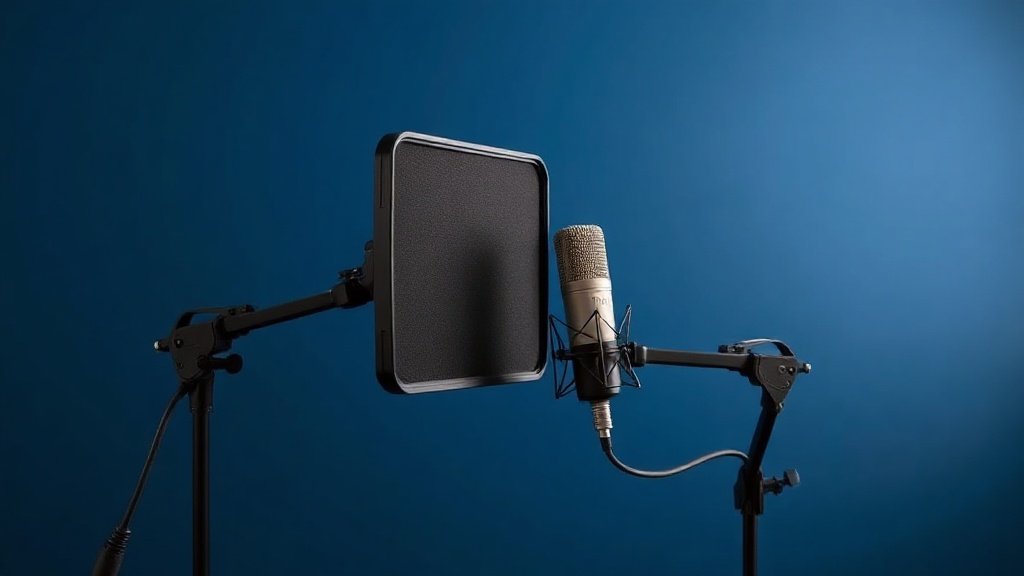
Pop filters work best when positioned four to six inches from the microphone capsule, with the vocalist another four to six inches behind the filter. This spacing allows the filter to intercept plosives while maintaining the proximity effect and intimate character that close-miked vocals provide. Closer positioning reduces the filter effectiveness, while greater distances diminish the vocal presence that justified close miking in the first place.
The angle matters more than most people realise. Positioning the filter perpendicular to the microphone axis works for most situations, but vocalists who move significantly during performance may need the filter angled slightly to maintain protection throughout their range of motion. Some engineers prefer mounting the filter slightly off-axis to the microphone, which can reduce the chance of reflections between the filter and capsule while maintaining plosive protection.
When You Can Skip the Pop Filter
Dynamic microphones working at moderate distances often provide enough natural plosive rejection that additional filtering becomes unnecessary. The Shure SM7B, widely used for broadcast applications, handles plosives well enough that many professional radio stations skip external pop filters entirely. The microphone built-in windscreen and internal shock mounting handle most plosive energy without external assistance.
Ribbon microphones present a special case where pop filters can actually cause more problems than they solve. The delicate ribbon element can be damaged by sudden air bursts, but it can also be damaged by the redirected air patterns that some pop filters create. Many ribbon manufacturers recommend maintaining adequate microphone distance rather than relying on external filtering, as the natural figure-eight pattern helps reject some plosive energy anyway.
Assuming expensive microphones automatically need pop filters. Some high-end microphones include effective internal filtering or capsule designs that naturally reject plosives. Check the manufacturer recommendations before adding external filtering that may not be necessary.
Positioning the pop filter too close to the microphone capsule. Filters need space to work effectively and prevent reflections back toward the microphone. Mount them at least four inches away from the capsule for optimal performance.
Using the wrong filter type for the recording situation. Fabric filters suit controlled studio environments while metal filters work better when vocalists move unpredictably. Match the filter design to the recording scenario rather than assuming one type works everywhere.
Conclusion
Pop filters solve a specific problem that occurs when plosive consonants meet sensitive microphones at close range. They work best with condenser microphones in vocal recording situations, but many dynamic microphones and properly distanced setups function perfectly well without them. Choose fabric for consistent protection with minor tonal trade-offs, or metal for pristine frequency response with more careful positioning requirements.

FREE DOWNLOAD
Stop Guessing. Start Buying Smart.
The specs that actually matter, demystified.
Headphones, microphones, the spec sheet jargon you can ignore — all in one quick-reference PDF. Free, instant, no fluff.
Send Me the CheatsheetYou'll also receive occasional new guide notifications. Unsubscribe anytime. No spam, ever.