The difference between a good recording and a great one often lies in the electronics you cannot see working between your microphone and your recorder.
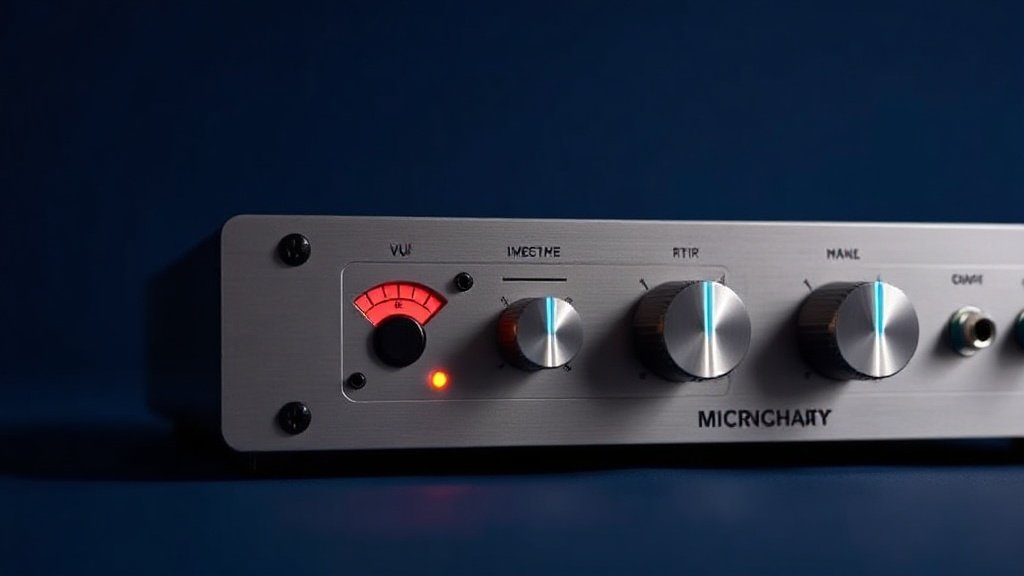
Microphone preamps amplify the tiny electrical signals that microphones produce and prepare them for recording or processing. Every recording chain includes at least one preamp, whether built into your audio interface, mixing console, or standalone unit. Understanding what preamps do and how they affect your recordings helps you make better decisions about when to upgrade and what to listen for in your signal chain.
This guide explains how microphone preamps work, covers the differences between interface preamps and dedicated units, and provides practical advice for determining when an upgrade will actually improve your recordings rather than just lighten your wallet.
How Microphone Preamps Work
Microphones output extremely weak electrical signals, typically between -60 dBu and -20 dBu depending on the source volume and microphone sensitivity. Your recording device needs much stronger signals, usually around -18 dBFS to 0 dBFS for optimal digital recording levels. The preamp bridges this gap by applying clean amplification, typically 20 to 70 dB of gain.
Beyond simple amplification, preamps provide phantom power for condenser microphones, present the correct input impedance to match your microphone, and ideally add minimal noise or distortion to the signal. The quality of these functions varies dramatically between different preamp designs, from basic operational amplifier circuits in budget interfaces to discrete transistor or vacuum tube designs in high-end units.
Every preamp has three key specifications that determine its performance: equivalent input noise (EIN), maximum input level before clipping, and total harmonic distortion (THD). Lower EIN numbers indicate quieter preamps, higher maximum input levels provide more headroom for loud sources, and lower THD percentages mean cleaner amplification with less added harmonics.
Interface Preamps vs Dedicated Units
Most audio interfaces include built-in microphone preamps that range from adequate to quite good. The Focusrite Scarlett series uses clean, transparent preamps that work well for most recording situations. Higher-end interfaces like the RME Babyface Pro FS or Universal Audio Apollo series include preamps that rival many standalone units in terms of noise performance and headroom.
Dedicated preamp units like the Cloudlifter CL-1, ART Tube MP, or Neve 1073 offer specific advantages: more gain for ribbon microphones, particular sonic characteristics, or simply better specifications than your interface provides. The decision to add external preamps depends on your specific needs rather than following upgrade paths that look impressive but do not address actual problems in your recordings.
The preamp that sounds invisible on your recordings is usually doing its job perfectly.
When Interface Preamps Work Fine
Modern audio interfaces from companies like Zoom, Focusrite, PreSonus, and MOTU include preamps that handle most recording situations without audible problems. If you can achieve proper recording levels without pushing the gain controls to maximum, and your recordings sound clean without obvious noise or distortion, your interface preamps are probably sufficient for your current needs.
The Zoom PodTrak P4 provides clean preamps specifically designed for podcast recording. The PreSonus AudioBox series offers solid performance for home studio recording. These built-in preamps become limiting factors only when you encounter specific technical problems: insufficient gain for low-output microphones, audible noise at higher gain settings, or distortion when recording loud sources.
Many recording problems attributed to preamps actually stem from microphone placement, room acoustics, or gain staging issues. Before considering preamp upgrades, ensure you understand proper microphone technique and can identify whether your current preamps are actually causing audible problems rather than simply lacking prestigious brand names.
Clear Signs You Need Better Preamps
Specific technical problems indicate when preamp upgrades will provide audible improvements. Insufficient gain forces you to push interface preamps beyond their clean operating range, introducing noise and distortion. Ribbon microphones like the Royer R-121 or Coles 4038 often need more gain than standard interface preamps provide cleanly, making inline boosters like the Cloudlifter CL-1 or FetHead necessary additions.
Audible noise during quiet passages, even with proper gain staging, indicates that your preamps add too much noise relative to your microphone and recording environment. Distortion on transient peaks, despite showing acceptable levels on your interface meters, suggests that your preamps cannot handle the dynamic range of your sources cleanly.
Some recording situations benefit from specific preamp characteristics rather than just better specifications. Vocal recording might improve with the harmonic enhancement of units like the Warm Audio WA-73 or Universal Audio 610 Solo. Drum recording could benefit from the aggressive sound of API-style preamps like those in the Warm Audio WA412 or actual API units.
Choosing the Right Preamp Upgrade
Successful preamp upgrades address specific problems rather than chasing general improvements. For insufficient gain with ribbon microphones, inline boosters like the Triton Audio FetHead provide clean amplification before your interface preamps. For coloured sound, tube preamps like the ART Tube MP or higher-end options like the Manley Force add harmonic enhancement that some sources benefit from.
Clean, transparent preamps like those in the Grace Design m101 or Millennia HV-3D work well when you want maximum fidelity without added character. These units excel at capturing acoustic instruments and vocals without imposing their own sonic signature on the recordings.
Budget considerations matter significantly in preamp selection. A £200 Cloudlifter might solve gain issues more effectively than a £2000 boutique preamp if insufficient amplification is your primary problem. Conversely, spending money on expensive preamps while using poor microphones or recording in untreated rooms wastes resources that could address more fundamental recording problems.
Assuming expensive preamps automatically improve any recording setup. Preamps work as part of a complete recording chain, and upgrading preamps while using inappropriate microphones or poor recording techniques often produces minimal audible improvements. Address fundamental issues like microphone selection and placement before investing in premium preamps.
Buying preamps based on gain specifications alone. More available gain does not always mean better performance, and many preamps sound worse at maximum gain settings. Consider the gain range where preamps perform cleanly rather than just peak specifications, and match gain capabilities to your actual microphone and source requirements.
Choosing preamps for their reputation rather than your specific needs. Famous preamp designs work well for certain applications but may not suit your recording style or sources. A Neve-style preamp might add unwanted colouration to classical music recording, while a clinical transparent preamp might sound sterile on rock vocals that benefit from harmonic enhancement.
Conclusion
Microphone preamps serve essential functions in every recording chain, but upgrading them only improves recordings when current preamps cause specific audible problems. Focus on identifying actual technical limitations before spending money on prestigious units that might not address your real needs. The best preamp for your setup amplifies your microphones cleanly within your budget rather than simply carrying the most impressive specifications or brand recognition.

FREE DOWNLOAD
Stop Guessing. Start Buying Smart.
The specs that actually matter, demystified.
Headphones, microphones, the spec sheet jargon you can ignore — all in one quick-reference PDF. Free, instant, no fluff.
Send Me the CheatsheetYou'll also receive occasional new guide notifications. Unsubscribe anytime. No spam, ever.