The most expensive headphones in your studio become worthless the moment they start causing pain during a six-hour mixing session.
After years of obsessively buying, using and comparing audio gear, I have watched countless engineers suffer through marathon sessions with headphones that measure perfectly but feel like medieval torture devices. The harsh reality is that even the most pristine frequency response becomes irrelevant when discomfort forces you to take breaks every thirty minutes.
This guide examines why physical comfort should be your primary consideration when selecting headphones for extended use, how to identify the specific comfort factors that matter most, and which design elements actually contribute to sustainable long-term wear during professional audio work.
The Physics of Extended Headphone Wear
Headphone discomfort stems from three primary pressure points that compound over time. The headband creates downward pressure across the top of your skull, while the ear cups apply lateral pressure against the sides of your head. The third pressure point occurs when the ear cups press against your outer ears rather than sealing around them. During the first hour, these pressure points feel manageable. After three hours, they become the only thing you can focus on.
Weight distribution plays an equally crucial role in comfort sustainability. The Beyerdynamic DT 770 Pro weighs 270 grams and distributes that mass across a wide padded headband, making it comfortable for six-hour sessions. Compare this to headphones that concentrate their weight in a narrow headband, and you will understand why some models become unbearable after two hours regardless of their acoustic performance. The clamping force measurement, rarely published by manufacturers, determines how tightly the headphones grip your head and directly impacts long-term wearability.
Heat buildup inside closed-back headphones creates another comfort challenge that worsens over time. Your ears generate heat naturally, and closed ear cups trap that heat while adding their own thermal mass. After three hours, this heat accumulation can cause sweating and general discomfort that has nothing to do with sound quality but everything to do with session productivity.
Ear Cup Design Elements That Actually Matter
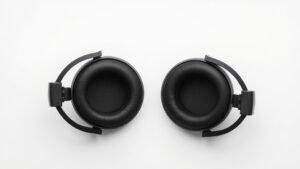
The depth of the ear cup cavity determines whether the headphones will remain comfortable during extended use. Shallow ear cups allow the drivers to contact your outer ears, creating pressure points that become painful within an hour. The Audio-Technica ATH-M50x suffers from this exact problem despite its popularity. Deep ear cups like those found on the Sennheiser HD 280 Pro create space around your entire ear, eliminating contact pressure entirely.
Padding material affects both immediate comfort and long-term durability. Cheap foam padding compresses permanently after several months, reducing the initial comfort and creating new pressure points. Memory foam maintains its shape longer but can retain heat. Velour padding, found on models like the Beyerdynamic DT 880 Pro, provides the best combination of comfort and heat dissipation for long sessions. The padding thickness must be sufficient to create a proper seal without being so thick that it reduces the effective driver-to-ear distance.
The shape of the ear cup opening matters more than most people realise. Circular openings work well for most ear shapes, while oval openings can create pressure points for people with larger ears. The Shure SRH840 uses an oval design that works well for average ear sizes but can become uncomfortable for people with larger or unusually shaped ears during extended wear.
The most accurate headphones in your studio become worthless when discomfort forces you to stop working every hour.
Headband Construction and Weight Distribution
Professional headphones require headband designs that distribute weight evenly across the top of your head without creating pressure points. The self-adjusting headband design used by the Koss Pro4AA automatically conforms to different head shapes without requiring manual adjustment. This design eliminates the pressure points that occur when headband padding is positioned incorrectly for your specific head shape.
Adjustable headbands must provide enough range to accommodate different head sizes while maintaining proper ear cup positioning. The Sony MDR-7506 offers extensive adjustability but uses a relatively narrow headband that can create pressure points during long sessions. The AKG K240 Studio uses a wider headband with better padding distribution, making it more suitable for extended use despite having less adjustment range.
The material used for headband padding affects both comfort and longevity. Leather padding looks professional but can become sticky during long sessions and tends to crack over time. Synthetic materials provide better durability but may not feel as comfortable initially. Velour headband padding, while less common, provides the best combination of comfort and heat dissipation for marathon sessions.
Clamping Force and Pressure Distribution
Clamping force determines how tightly headphones grip your head and directly impacts long-term comfort. New headphones often have excessive clamping force that decreases over time as the headband mechanism loosens. The Sennheiser HD 600 arrives with significant clamping force but becomes more comfortable after several weeks of use as the headband adjusts to your head shape.
You can reduce excessive clamping force by gently stretching the headphones over a stack of books or a headphone stand slightly wider than your head. This process must be done gradually over several days to avoid damaging the headband mechanism. Some manufacturers design their headphones with adjustable clamping force, though this feature remains rare in professional models.
The relationship between clamping force and acoustic seal creates a comfort versus performance trade-off. Insufficient clamping force reduces bass response and allows sound leakage, while excessive force maintains acoustic performance but becomes uncomfortable during extended use. The optimal clamping force provides adequate seal for your mixing needs while remaining comfortable for your typical session length.
Heat Management and Ventilation Considerations
Closed-back headphones trap heat inside the ear cups, creating comfort problems during long sessions that have nothing to do with acoustic performance. The materials used in ear cup construction affect heat buildup significantly. Plastic ear cups retain more heat than metal ones, while velour padding dissipates heat better than leather or synthetic alternatives.
Open-back headphones like the Grado SR80e provide natural ventilation that prevents heat buildup entirely. However, the sound leakage and reduced isolation make them unsuitable for many professional applications. Semi-open designs like the AKG K240 Studio offer a compromise between heat management and acoustic isolation that works well for mixing applications where moderate sound leakage is acceptable.
Your studio environment affects headphone heat buildup significantly. Well-ventilated rooms with good air circulation reduce heat problems, while warm, poorly ventilated spaces compound the issue. Consider your typical working environment when evaluating headphones, as models that feel comfortable in an air-conditioned studio may become unbearable in a warm home office during summer months.
People assume expensive headphones will automatically be more comfortable. Price correlates weakly with comfort design, and many budget models offer better long-term wearability than their premium counterparts. Test comfort during extended sessions rather than brief store demonstrations.
Musicians focus only on frequency response when selecting headphones for long sessions. Perfect sound means nothing when pain forces you to stop working every hour. Prioritise comfort for extended use and accept minor acoustic compromises for better session productivity.
Users expect new headphones to feel perfect immediately. Most professional headphones require a break-in period for both the drivers and the headband mechanism. Allow two weeks for the headphones to conform to your head shape before making final comfort judgements.
Conclusion
Comfort trumps acoustic perfection during extended studio sessions because the best-measuring headphones become useless when pain forces you to stop working. Focus on weight distribution, ear cup depth, clamping force, and heat management when selecting headphones for long-term use. Your session productivity depends more on sustainable comfort than on perfect frequency response graphs.

FREE DOWNLOAD
Stop Guessing. Start Buying Smart.
The specs that actually matter, demystified.
Headphones, microphones, the spec sheet jargon you can ignore — all in one quick-reference PDF. Free, instant, no fluff.
Send Me the CheatsheetYou'll also receive occasional new guide notifications. Unsubscribe anytime. No spam, ever.