The electronics inside a microphone capsule determine whether vocals sound warm and present or clinical and harsh, yet most engineers focus only on polar patterns and frequency response.
Tube and solid-state microphones process audio signals through fundamentally different electronic pathways that shape the final recorded sound. After years of obsessively buying, using and comparing audio gear, I have learned that this electronic choice often matters more than capsule design or brand reputation.
This guide examines how tube and solid-state electronics affect microphone performance, covering sonic characteristics, reliability patterns, maintenance requirements, and the real costs of ownership. Understanding these differences helps you choose microphones that serve your recording goals without creating unexpected problems.
How Tube and Solid-State Electronics Shape Sound
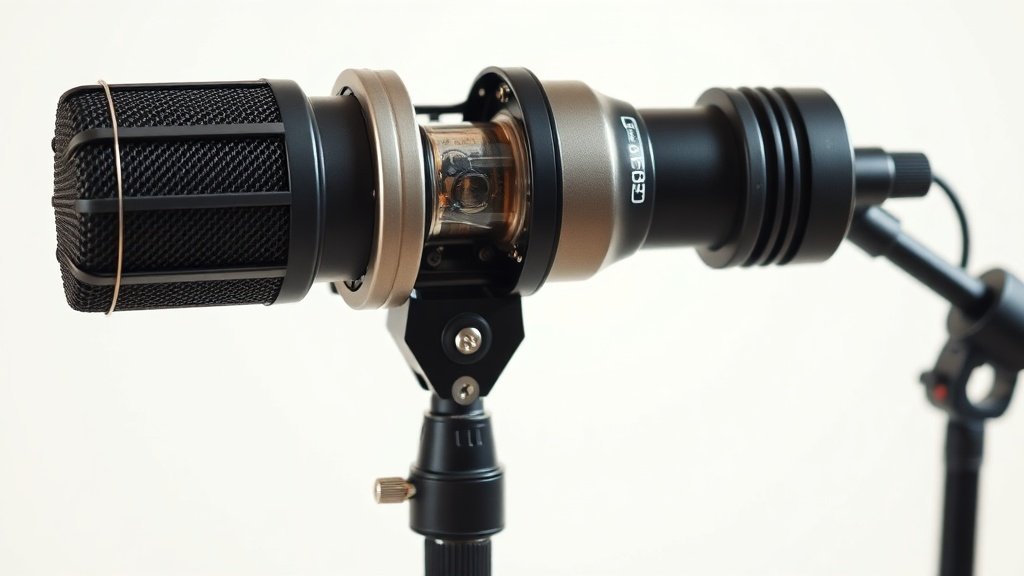
Tube microphones use vacuum tubes to amplify the signal from the capsule before sending it down the cable. These tubes introduce harmonic distortion that adds perceived warmth and density to recordings. The Neumann U47 and AKG C12 became legendary partly because their tube circuits compressed transients naturally and added even-order harmonics that complement human vocals.
Solid-state microphones rely on transistors and integrated circuits for signal amplification. These circuits typically produce lower noise floors and more accurate frequency response than tubes. The Neumann U87 exemplifies solid-state design with its clean, detailed sound that captures sources without obvious electronic coloration. Modern solid-state circuits in microphones like the Audio-Technica AT4050 deliver specifications that tubes cannot match for signal-to-noise ratio and dynamic range.
The sonic difference becomes most apparent on vocals and acoustic instruments where subtle harmonic content affects the emotional impact of the recording. Tube circuits compress peaks gently and add sustain to decay portions of notes, whilst solid-state circuits preserve the original dynamics more faithfully.
Reliability and Maintenance Requirements
Tube microphones require more attention than solid-state models because tubes degrade over time. A fresh tube might last two to five years in regular studio use before performance begins to suffer. Tube replacement involves matching characteristics and sometimes rebiasing circuits, which requires technical knowledge or professional service. The Telefunken ELA M 251E and similar vintage tube microphones often need complete electronic restoration to perform at original specifications.
Solid-state microphones typically run for decades without electronic maintenance. The transistors and integrated circuits in modern designs like the Rode K2 or Warm Audio WA-87 rarely fail unless subjected to phantom power mistakes or extreme environmental conditions. When solid-state circuits do fail, replacement often costs less than tube maintenance because the components are standardised and readily available.
Tube replacement and biasing can cost more than many solid-state microphones over a five-year period.
Initial Purchase Cost and Long-Term Expenses
New tube microphones typically cost significantly more than comparable solid-state models. A quality tube microphone like the Manley Reference Cardioid starts around two thousand pounds, whilst solid-state alternatives such as the AKG C414 deliver professional results for half that investment. This price difference reflects the complexity of tube circuit design and the cost of quality vacuum tubes.
Long-term ownership costs favour solid-state designs even more dramatically. Tube replacement for a single microphone can cost 150 to 300 pounds every few years, depending on the specific tube type and whether circuit adjustment is needed. Premium tubes like those used in Telefunken Copperhead or Golden Age Project R1 require careful matching and often professional installation. Solid-state microphones accumulate virtually no maintenance costs during normal operation.
The hidden cost of tube microphones includes backup planning. Studios that depend on tube microphones for critical sessions typically maintain spare tubes or backup microphones to avoid project delays. This redundancy requirement effectively doubles the real cost of tube-based recording chains.
Performance in Different Recording Applications
Tube microphones excel in applications where harmonic enhancement improves the source material. Vocals that sound thin or harsh through solid-state microphones often benefit from tube warmth and natural compression. Jazz vocals, singer-songwriter performances, and classical instruments frequently sound more musical through quality tube circuits. The Audio-Technica AT5040 and similar tube designs work particularly well for sources that need additional body and presence.
Solid-state microphones perform better when accuracy matters more than character. Drum overheads, percussion instruments, and detailed acoustic guitar recordings often require the extended frequency response and low noise that solid-state designs provide. Modern productions that rely on digital processing for character benefit from clean solid-state capture that preserves maximum information for manipulation during mixing.
The choice also depends on the acoustic environment. Tube microphones with their inherent noise floors work best in controlled studio environments, whilst solid-state models handle challenging acoustic spaces and high sound pressure levels more reliably. Location recording almost always favours solid-state designs for their consistency and lower maintenance risk.
Making the Right Choice for Your Needs
Consider tube microphones when sonic character matters more than technical specifications and when maintenance capabilities exist in your workflow. Studios focused on organic, musical recordings that benefit from harmonic enhancement should investigate quality tube options. However, budget for ongoing tube replacement and keep backup plans in place for critical sessions.
Choose solid-state microphones when reliability, low maintenance, and accurate capture take priority over electronic character. These microphones suit project studios, location recording, and situations where consistent performance matters more than vintage warmth. The long-term cost advantages make solid-state designs more practical for most recording applications.
Mixed approaches work well in larger studios where different microphones serve specific purposes. Many successful recording facilities maintain both tube and solid-state options, selecting the appropriate technology based on source material and artistic goals rather than following dogmatic preferences.
Assuming all tube microphones sound warm and musical while all solid-state designs sound cold and clinical. Quality examples of both technologies can sound excellent or terrible depending on circuit design and component quality. Listen to specific microphones rather than making assumptions based on the underlying technology.
Ignoring maintenance costs when budgeting for tube microphones. The initial purchase price represents only part of the total ownership cost for tube designs. Factor in tube replacement, potential circuit servicing, and backup equipment needs when comparing options.
Choosing microphones based on famous recordings from decades past. Vintage recordings used microphones in their original condition with fresh tubes and properly functioning circuits. Modern examples of the same designs may perform very differently unless they have been properly maintained or restored.
Conclusion
Tube and solid-state microphones serve different recording priorities through their distinct electronic characteristics. Tube designs offer harmonic enhancement and natural compression at the cost of ongoing maintenance and higher long-term expenses. Solid-state models provide accuracy, reliability, and lower ownership costs whilst sacrificing some of the musical character that tubes can provide. Choose based on your recording goals, maintenance capabilities, and budget for both initial purchase and ongoing operation.

FREE DOWNLOAD
Stop Guessing. Start Buying Smart.
The specs that actually matter, demystified.
Headphones, microphones, the spec sheet jargon you can ignore — all in one quick-reference PDF. Free, instant, no fluff.
Send Me the CheatsheetYou'll also receive occasional new guide notifications. Unsubscribe anytime. No spam, ever.